
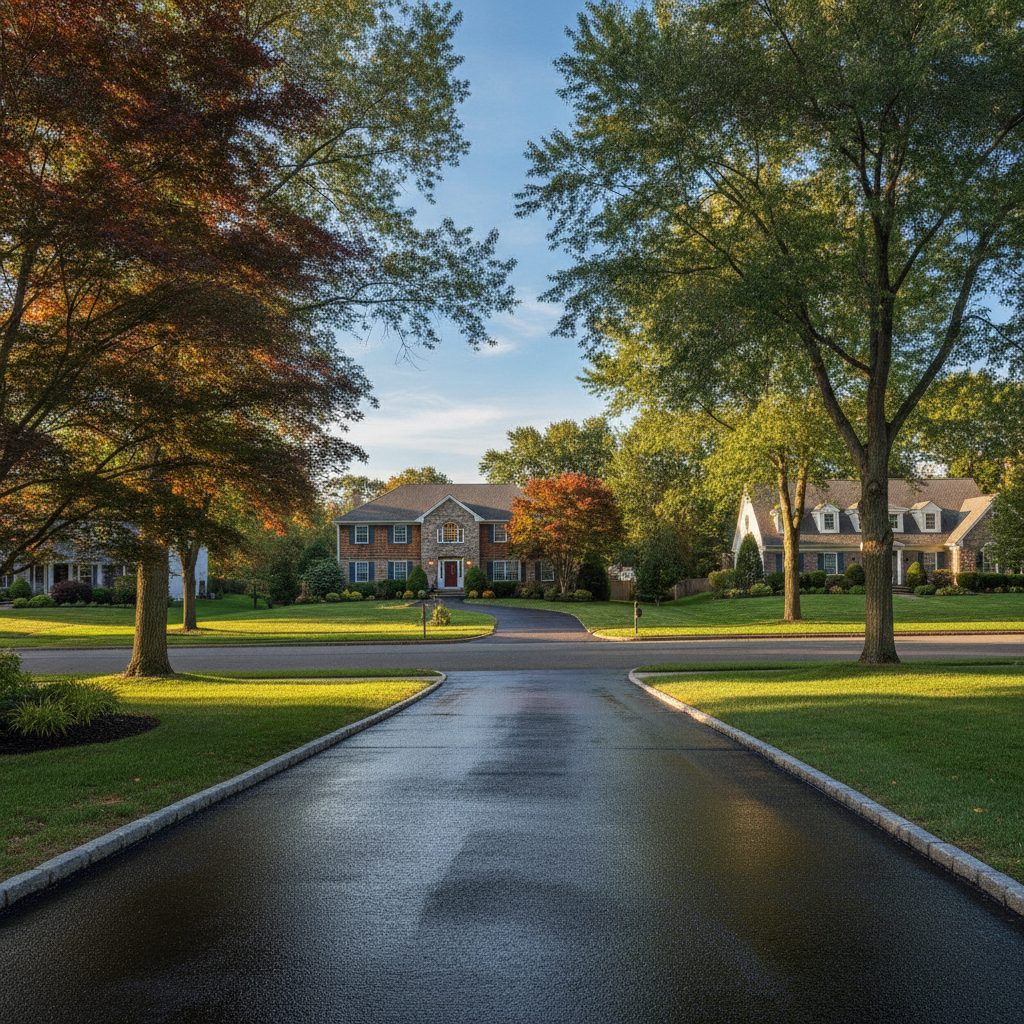
Walk across any parking lot after a few New Jersey winters and you can read its history in the surface. Faded gray patches, hairline cracks, and rough, pebbly spots all tell the same story: the pavement has been fighting sun, water, salt, and traffic without much help. A thin protective coating can change that story dramatically. If you have ever searched for an Asphalt Paving Contractor Mahwah NJ owners can rely on, chances are you were really looking for a way to make your pavement last longer and look better for less money.
Sealcoating is one of the most misunderstood maintenance tasks in property care. Some people assume it is purely cosmetic, a fresh coat of black paint over a tired surface. Others treat it as optional, something to skip when budgets get tight. The reality sits in the middle and leans heavily toward practical value. A properly applied sealer acts like sunscreen and a raincoat for your asphalt, slowing the chemical breakdown that turns flexible pavement into brittle, crumbling material.
In this guide, we walk through exactly what sealcoating does, why it matters in a climate with real freeze-thaw swings, when to schedule it, what it costs you if you skip it, and how to prepare. Whether you manage a shopping center, own a small office building, run a development, or simply want your home driveway to age gracefully, you will come away with a clear plan and realistic expectations.
How Sealcoating Actually Protects Pavement
Asphalt is a mix of stone aggregate held together by a petroleum-based binder. That binder is what keeps the surface flexible and cohesive, and it is also the part that suffers most from exposure. Ultraviolet light slowly oxidizes it, water works its way into tiny pores, and fuel or oil drips soften it. Once the binder weakens, the stones loosen and the surface starts to ravel.
A quality asphalt sealcoating application places a thin, durable membrane over the top of the pavement. That layer blocks UV rays, sheds water, and resists chemical spills far better than bare asphalt can. It also fills minor surface voids, which reduces the number of places moisture can enter. Think of it as sacrificial armor: the sealer wears down slowly so the pavement underneath does not have to. When the coating thins out after a few seasons, you simply renew it, and the structure below stays intact.
Why Northern New Jersey Weather Is Tough on Asphalt
The northern part of the state delivers a full four-season workout. Summer heat softens pavement and accelerates oxidation, while autumn rain saturates the base. Winter then brings repeated freezing and thawing, which is the real culprit behind many failures. Water seeps into small openings, freezes, expands, and pries the surface apart a little more each cycle.
Road salt and deicing products add another layer of stress. They draw moisture, promote more freeze-thaw cycles, and can discolor or roughen untreated asphalt. Companies like All Around Asphalt see the results of this every spring, when properties that skipped protection show alligator cracking, potholes, and crumbling edges while sealed lots nearby look comparatively fresh. A protective coating cannot stop the weather, but it reduces how much damage each season can do, which is the whole point of preventive maintenance.
The Financial Case for Preventive Coating
Pavement is a capital asset, and like any asset it is cheaper to maintain than to replace. A full tear-out and repave costs many times more than a routine sealing job, and the gap widens the longer you wait. Preventive coating spreads cost out over years and delays the day you need a major investment.
For a business owner, the math is straightforward. A well-kept lot protects customer perception, reduces liability from tripping and vehicle damage, and keeps your property value strong. Working with a trusted partner who offers Mahwah NJ asphalt paving contractor services means you can plan maintenance on a predictable schedule rather than reacting to emergencies. Exact pricing varies with surface size, condition, and product choice, so request a written estimate rather than relying on rules of thumb. What is consistent is the principle: small, regular expenses beat large, sudden ones almost every time.
Why Cracks Should Be Handled Before the Sealer Goes On
One of the most common mistakes is brushing sealer over open cracks and hoping for the best. Sealcoat is a surface treatment, not a structural repair. It will not bridge gaps of any real width, and the cracks will reopen quickly if they are not treated first.
That is why crack preparation is a standard part of a proper job. Clean out debris, apply a flexible hot or cold-pour filler, and let it cure before coating. If you want to understand the reasoning in more depth, read Why Crack Filling Matters for Mahwah, NJ Asphalt Surfaces, which explains how sealed gaps keep water out of the base layers. Skipping this step is a bit like painting over peeling drywall: it looks fine briefly and then fails exactly where you did not prepare. Good contractors will walk the property with you and point out which areas need filling first.
Appearance, First Impressions, and Property Value
Even if you only care about function, appearance matters more than most owners admit. A rich, uniform black surface makes striping pop, defines parking stalls, and signals that the property is cared for. Tenants, customers, and prospective buyers form opinions in seconds, and a weathered gray lot suggests deferred maintenance everywhere else.
Curb appeal is not just vanity. It influences how customers feel about a business and how appraisers view a property. For a deeper look at the visual side of the work, see Improve Curb Appeal with Asphalt Sealcoating in Mahwah NJ. Fresh sealer also makes oil stains and tire marks easier to spot and clean, so the surface stays presentable between treatments. For homeowners, a crisp driveway frames the entire front of the house and can quietly boost the impression your landscaping works so hard to create.
Timing: When to Seal and When to Wait
Sealer needs warm, dry conditions to cure properly. As a general guideline, surface and air temperatures should be comfortably above the manufacturer’s minimum, and no rain should be forecast for at least a day. In this region that usually points to late spring through early fall.
New pavement should not be sealed right away. Fresh asphalt needs time to cure and release oils, and most professionals suggest waiting several months to a year before the first application. After that, a typical rhythm is every two to four years depending on traffic, sun exposure, and the product used. Watch the surface for clues. When the black color fades to dull gray and the texture feels rough under your hand, it is probably time. Scheduling ahead also helps, since good crews book up quickly during peak season.
Comparing Treatment Options at a Glance
Not every problem calls for the same fix. The table below gives a simple overview of common approaches and when each tends to make sense. Use it as a starting point for conversations with your contractor rather than a final diagnosis.
| Treatment | Best For | Typical Interval |
|---|---|---|
| Sealcoating | Sound pavement with mild fading | Every few years |
| Crack filling | Narrow to moderate cracks | As cracks appear |
| Patching | Potholes and localized failures | As needed |
| Overlay or repaving | Widespread structural wear | Long term |
What the Application Process Looks Like
Understanding the steps helps you judge quality and ask better questions. A thorough job begins with cleaning: crews remove loose debris with blowers and brooms, scrub away oil spots with a degreaser or primer, and trim back vegetation along edges. Cracks and minor defects are repaired next, then the surface is checked for moisture.
The sealer itself is mixed to the manufacturer’s specification, often with water and sand additives that improve traction and durability. It is applied with squeegees, brushes, or spray equipment in even coats, with extra care along curbs and edges. Surfaces then need to cure, usually for a day or more before vehicles return, depending on weather. Barricades and clear signage keep people off the wet surface, which prevents tracked footprints and tire scuffs from ruining the finish.
Preparing Your Property for Sealing Day
A little planning on your end makes the job smoother and the result better. For commercial sites, coordinate with tenants and employees so everyone knows which areas will be closed and for how long. Staged work, one section at a time, can keep part of the lot usable throughout.
- Move vehicles, planters, and equipment off the work area the day before.
- Turn off or redirect automatic sprinklers so no water hits the surface.
- Share your schedule with delivery drivers, staff, and visitors.
- Ask about the rain date policy before you sign the agreement.
Homeowners should also keep pets and children away from the area until the contractor confirms it is safe. Following the cure instructions exactly matters more than almost anything else you can do.
Common Sealcoating Mistakes to Avoid
Most failed jobs trace back to a handful of avoidable errors. Applying sealer too thickly is one, because heavy coats can crack and peel as they dry. Sealing in cool or damp conditions is another, since the product may never bond properly. Ignoring oil stains leads to peeling in those exact spots, and rushing to reopen a lot too early leaves tire marks that last for months.
Cheap bids sometimes hide watered-down product or skipped prep work, so look beyond the number on the quote. Ask what the material is, how many coats are included, and what repairs come first. Request references and photos of recent work. A reputable crew will welcome these questions, because informed customers are the ones who understand why quality application costs a little more and lasts a lot longer.
Making Pavement Care a Routine
The best results come from treating pavement like any other building system: inspect it, maintain it, and budget for it. A quick walk-through each spring catches new cracks and drainage problems early, and a simple calendar reminder keeps sealing on track.
Keep the surface clean between treatments by sweeping debris, clearing leaves from low spots, and addressing fluid leaks promptly. Make sure water drains away from the pavement rather than pooling on it, because standing water is one of the fastest ways to shorten asphalt life. Document each repair and coating date so you always know where you stand. A short written plan, even one page long, turns scattered tasks into a predictable program that protects both your pavement and your budget year after year.
Your Next Steps
Sealcoating is not magic, but it is one of the most cost-effective ways to protect a paved surface. It shields the binder from sun and water, slows cracking, keeps the surface looking sharp, and stretches the time between expensive rebuilds. For owners dealing with freeze-thaw cycles, road salt, and heavy daily use, that protection pays for itself.
To get the most from your investment, start with an honest look at your pavement’s condition. Fill cracks first, choose a quality product, apply it in the right weather, and give it time to cure. Pair that with a simple maintenance calendar and regular cleaning, and you will extend the useful life of your surface considerably.
When you are ready to move forward, ask for a site visit and a written estimate that spells out prep work, materials, coats, and cure times. Compare proposals on substance, not just price, and favor contractors who explain their process clearly. Whether you manage a busy commercial lot or a quiet residential drive, a little proactive care today will keep your asphalt strong, attractive, and safe for years to come. The sooner you start, the more life you save.