
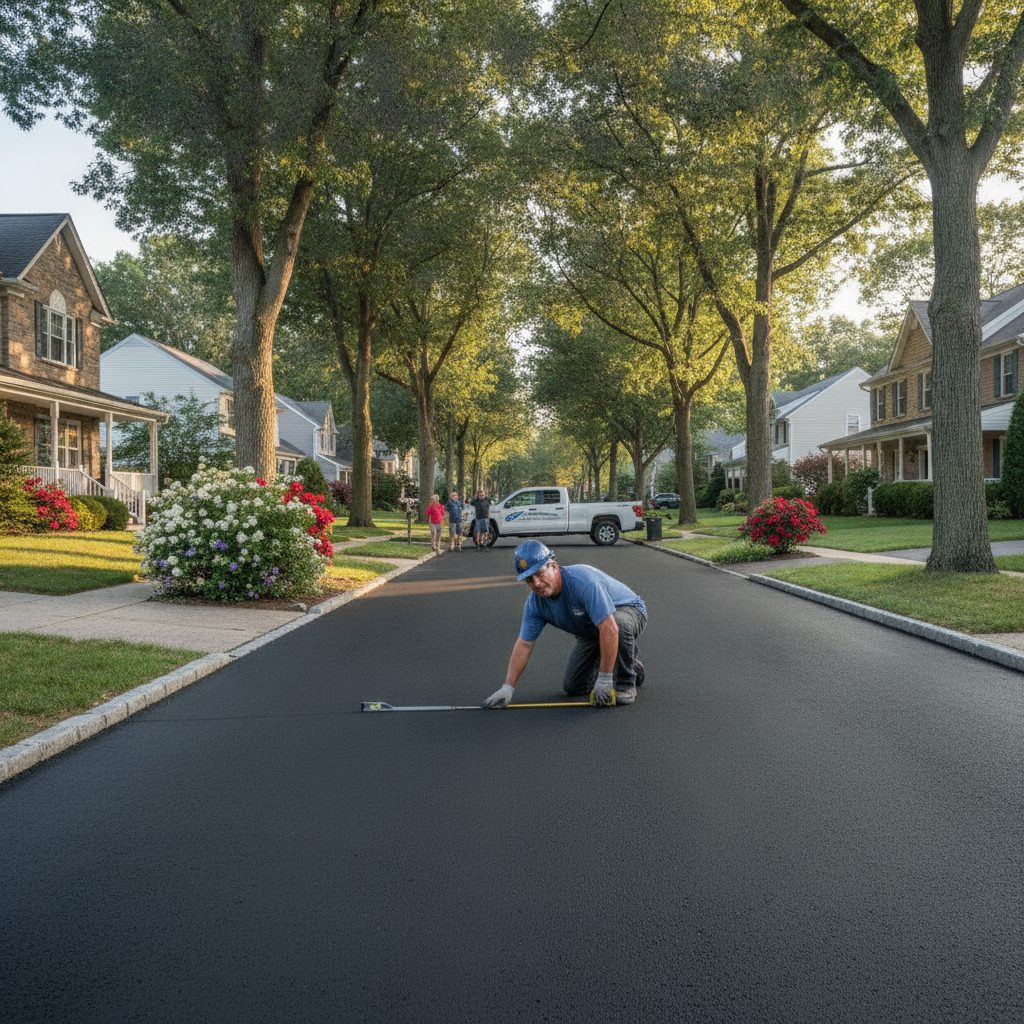
Anyone can show up with a truck full of hot mix and a roller. What separates a pavement job that lasts twenty years from one that cracks after two winters is knowledge of the ground it sits on, the weather that punishes it, and the rules that govern it. That is exactly why hiring an asphalt paving company in Mahwah NJ with genuine regional experience is a smarter move than chasing the lowest bid from a crew that works three counties away.
Northern New Jersey is a demanding place to build and maintain pavement. The soil changes from one street to the next, freeze and thaw cycles flex the surface every winter, and the Ramapo foothills send runoff in directions that surprise first-time property owners. Add in municipal permitting, tight residential lots, and busy commercial corridors, and you have a region where local know-how is not a luxury but a practical requirement.
In this article, we look at the real, everyday reasons experience close to home pays off. We cover soil and drainage, winter damage, materials timing, permits, access challenges, scheduling, and what to ask before you sign anything. Whether you manage a small retail lot, plan a development, or just want a driveway that stops embarrassing you, the points below will help you judge contractors on what actually matters instead of the size of the sign on the truck.
Soil, Slope, and Drainage Are Not the Same Everywhere
Pavement is only as good as what lies beneath it. In this part of Bergen County, a single property can include rocky fill, clay pockets, and sandy loam within a few hundred feet. A contractor who has worked the area for years has already seen how each of those behaves under load and moisture, and can adjust the base depth and compaction plan accordingly.
Drainage is the other half of the story. Water that sits on asphalt softens the binder, seeps into hairline cracks, and freezes into wedges that pry the surface apart. Crews familiar with the local terrain know where water tends to collect and how to grade a surface so it sheds quickly. They also know when a problem is structural rather than cosmetic, which is the point where a simple patch becomes a waste of money. If you are weighing a repair against a rebuild, a team offering driveway sealcoating and repair can assess the base and tell you honestly which path makes sense.
How Freeze and Thaw Cycles Shape Every Decision
Winters in northern New Jersey swing back and forth across the freezing mark many times each season. Every cycle lets water enter tiny openings, freeze, expand, and widen the gap. By spring, a surface that looked fine in October can show alligator cracking, raveling edges, and potholes along the lines where plows scrape.
Experienced local crews design for that punishment instead of reacting to it. They pick mix designs suited to temperature swings, insist on proper compaction so the surface stays dense, and pay close attention to joints and edges where water loves to sneak in. They also understand the timing issue: pavement laid too late in the fall may not cure or compact properly, while work in the right window gets the full benefit of warm ground and stable weather.
A contractor from a milder region may apply techniques that work fine there and fail here. Local experience means the crew has watched its own past projects go through dozens of winters and has refined its methods based on what survived and what did not.
Knowing the Permits, Inspectors, and Local Rules
Municipalities in this region each have their own expectations around driveway widths, apron construction, stormwater handling, and setbacks. Some properties sit near wetlands or protected areas where extra review may apply. A contractor who regularly works in the area usually knows which offices to call, which documents they ask for, and how long approvals tend to take.
That familiarity saves real money. A stalled project means idle equipment, rescheduled crews, and frustrated owners. A crew that has dealt with local inspectors before can anticipate questions and prepare answers, which keeps jobs moving. It also reduces the odds of tearing out finished work because a requirement was missed.
When you evaluate bidders, ask how they handle approvals and what recent projects they completed nearby. A trusted All Around Asphalt team will usually answer without hesitation, because navigating local paperwork is part of the job they do every week.
Tight Lots, Steep Drives, and Access Challenges
Much of the housing in the hills and wooded areas nearby features long, curving, or steeply sloped driveways. Getting a paver, roller, and dump trucks onto those sites takes planning. Overhanging branches, narrow gates, septic fields, and retaining walls all affect how the work is staged and how heavy equipment moves without damaging the property.
Local crews have usually faced these obstacles repeatedly. They know when to bring a smaller roller, how to protect lawns and curbs, and how to manage delivery timing so hot mix does not cool before it is placed. Steep grades also raise safety and compaction issues, since material can shift if it is not handled correctly.
If a contractor walks your site and points out these details before quoting, that is a good sign. If they hand you a price over the phone without seeing the property, expect surprises later, usually in the form of change orders you did not budget for.
Choosing the Right Partner for Larger Jobs
Commercial and development projects raise the stakes. Parking lots, access roads, and multi-unit properties involve traffic loads, ADA layout requirements, striping, drainage structures, and strict scheduling around tenants and customers. A mistake is expensive and highly visible.
When the scope grows beyond a residential driveway, look for an Asphalt Paving Contractor in Mahwah, NJ that can show comparable completed work, carry appropriate insurance, and field enough crews to hit deadlines. Ask how they phase work so a business can stay open, how they handle subgrade failures discovered mid-project, and who will be your single point of contact.
Local developers and facility managers tend to rely on contractors with a track record they can verify by driving past finished sites. That reputation is earned over years of showing up, finishing on time, and standing behind the work, and it is hard for an outsider to replicate.
Protecting New Pavement with Smart Maintenance
Fresh asphalt is an investment, and maintenance determines whether it pays off. Sunlight, oxidation, fuel drips, and road salt all degrade the surface over time. A protective seal coat applied at the right interval slows that aging and keeps water from penetrating the surface.
Timing matters, though. Sealing too early can trap curing oils, and waiting too long lets cracks multiply. Local contractors tend to recommend schedules based on how pavement actually ages in this climate rather than a generic national guideline. For businesses with large surfaces, a plan like Commercial Asphalt Sealcoating Solutions in Mahwah NJ can be coordinated around slow business periods to limit disruption.
Crack filling comes first, since sealing over open cracks hides problems without solving them. A careful crew will clean, fill, and cure before coating, and will tell you plainly when a section is too far gone for sealer to help.
What Sealcoating Actually Does for Your Surface
Many owners treat sealcoating as a cosmetic touch-up, but its real job is defensive. The coating forms a barrier against water, UV light, and chemicals, which are the three biggest enemies of the binder holding the stone together. A well-timed application can noticeably stretch the useful life of a lot or driveway.
It also improves appearance, restoring a deep, uniform color that makes a property look cared for. For businesses, that first impression matters. For homeowners, it supports curb appeal and resale value. You can review the specific advantages in this overview of Sealcoating Benefits for Mahwah, NJ Asphalt Surfaces before deciding whether to add it to your plan.
Just remember that sealcoat is maintenance, not repair. It works best on sound pavement and cannot rescue a failed base. Honest contractors will tell you which category your surface falls into.
Seasonal Timing and Material Availability
Asphalt is a time-sensitive product. Hot mix has to be delivered, placed, and rolled before it cools, which ties every job to nearby plant production and traffic conditions. Contractors who work regularly in the region have relationships with local suppliers and know which plants are reliable and when they close for the season.
Weather windows are tight. Spring work depends on the ground thawing and drying out, and fall work races against dropping temperatures. A crew that understands this rhythm will schedule realistically and tell you when a job should wait for better conditions instead of rushing and compromising quality.
Booking early helps too. The best local crews fill their calendars well before peak season, so planning a few months ahead gives you better pricing, better dates, and more flexibility if the weather refuses to cooperate on the day you hoped for.
Accountability When Something Goes Wrong
Even excellent work occasionally needs a callback. A low spot may hold water, an edge may need attention, or a utility cut may settle. When your contractor is based nearby, fixing those issues is a short drive instead of a negotiation across a long distance.
Local businesses also have reputations to protect. Their neighbors, suppliers, and future customers all talk, which creates a natural incentive to stand behind the work. A contractor who can disappear to another state after a job has far less to lose.
Before hiring, ask for a written warranty, find out exactly what it covers, and confirm who will respond if you call. Read recent reviews with an eye toward how problems were handled, not just how many stars were awarded. The way a company responds to a complaint tells you more than any brochure.
Questions to Ask Before You Sign
A short list of pointed questions can separate genuine professionals from opportunists. Use the table below as a quick reference when comparing bids.
| Question to Ask | What a Good Answer Sounds Like |
|---|---|
| How deep is the base and how is it compacted? | Specific depths, equipment named, and adjustments for local soil conditions. |
| Who handles permits and inspections? | A clear process and familiarity with the local municipal offices. |
| How will you manage drainage? | A grading plan that sends water away from structures and off the surface. |
| What does the warranty cover? | A written, plain-language policy with defined terms and response times. |
| Can I see nearby completed projects? | Addresses you can visit and references willing to speak with you. |
Pay attention to how confidently and specifically they respond. Vague answers and pressure to sign quickly are red flags worth taking seriously.
Spotting Red Flags and Comparing Bids Fairly
Price is the easiest number to compare and the least reliable way to judge a bid. Two quotes can look similar while covering very different work, such as thinner asphalt, a skipped base layer, or no drainage correction. Always request itemized proposals so you can compare thickness, area, materials, and warranty terms line by line.
Beware of door-to-door crews who claim to have leftover material from a nearby job. That pitch is a classic warning sign, since leftover mix cools and loses quality quickly. Be cautious of large upfront payments, missing insurance certificates, and anyone unwilling to put terms in writing.
Verify licensing and insurance directly, and ask for proof of workers compensation coverage. A legitimate contractor will gladly provide it, because it protects both sides if something goes wrong on your property during the project.
Final Thoughts
Pavement looks simple from the street, but the difference between a surface that serves you for decades and one that disappoints you quickly comes down to details most people never see: the base, the grading, the compaction, the timing, and the paperwork. Those details are shaped by place. Soil, climate, local rules, and site access all vary, and a contractor who has spent years working in this community has already learned how to handle them.
When you hire locally, you gain more than convenience. You gain a team that understands how this region treats asphalt, that can respond quickly when questions arise, and that has a reputation to protect among the neighbors and businesses around it. You also gain someone who can give you straight advice about whether a surface needs repair, sealing, or full replacement, without padding the scope to inflate the bill.
Take your time before choosing. Walk past completed projects, ask for itemized bids, verify insurance, and read the warranty carefully. Plan ahead so you are not forced to rush into a decision during peak season. Then keep the surface healthy with crack filling and well-timed sealcoating so your investment keeps paying you back. A little diligence at the start protects your property, your budget, and your peace of mind for many years to come.