
Sealcoating your asphalt driveway protects your investment by creating a barrier against harmful UV rays, moisture, and oil spills. It boosts curb appeal with a smooth, rich finish, while preventing costly repairs and extending your driveway’s lifespan. Regular sealcoating saves you money and enhances your property’s value. Plus, it’s environmentally friendly, reducing oxidation and damage. You’ll discover more about the process and its benefits as you explore further.
Key Takeaways
- Sealcoating protects your driveway from UV rays, moisture, and oil spills, enhancing its longevity and functionality.
- It prevents costly repairs by extending the lifespan of the driveway and delaying replacement needs.
- A fresh sealcoat improves curb appeal with a rich, uniform finish, signaling property care to potential buyers.
- It offers environmental protection by reducing oxidation and preventing damage from chemicals and temperature fluctuations.
- Regular sealcoating every two to three years ensures optimal protection and resilience against wear and tear.
Protect Your Investment: Why Sealcoating Matters
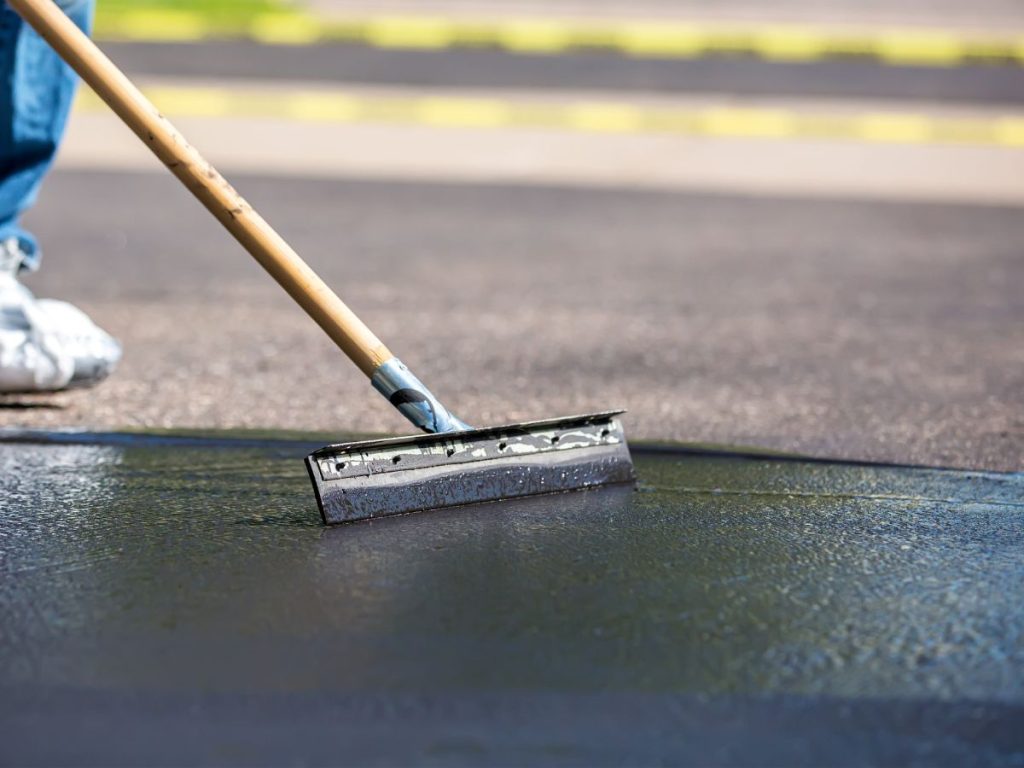
When you invest in an asphalt driveway, protecting that investment should be a top priority.
One effective way to guarantee your driveway lasts is through regular sealcoating. This simple maintenance step helps shield the surface from wear and tear, keeping it looking fresh and functional.
Sealcoating creates a protective barrier that defends against harmful elements like UV rays, moisture, and oil spills.
How Sealcoating Protects Against Environmental Damage
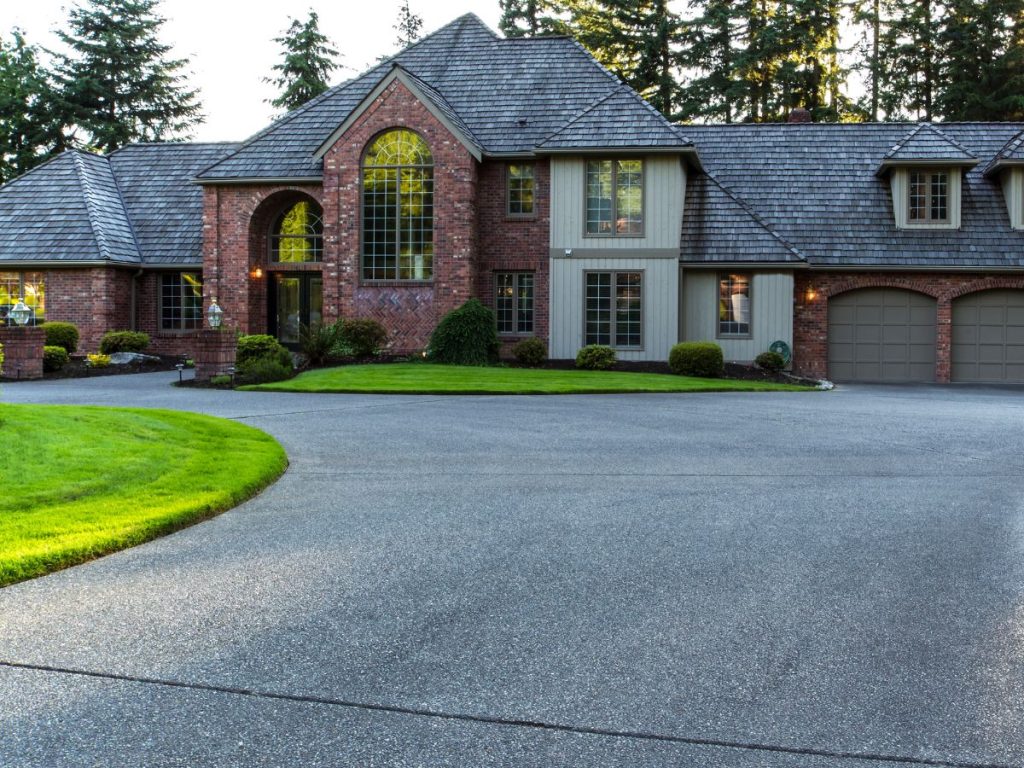
Sealcoating acts as an essential shield for your asphalt driveway, protecting it from environmental damage that can shorten its lifespan. By providing UV protection, it prevents harmful sunlight from breaking down the asphalt. Moisture resistance keeps water from seeping in, reducing the risk of cracks and erosion. Chemical shielding guards against substances like oil and gasoline, which can degrade the surface.
Additionally, sealcoating helps with temperature regulation, minimizing the effects of extreme heat and cold. It offers oxidation prevention, keeping your driveway looking fresh and new. With tree sap protection, you won’t have to worry about sticky residues ruining your surface. Finally, freeze-thaw defense protects against the expansion and contraction that can lead to significant damage.
| Benefit | Description |
| UV Protection | Shields against sun damage |
| Moisture Resistance | Prevents water infiltration |
| Chemical Shielding | Protects from harmful substances |
| Freeze-Thaw Defense | Mitigates damage from temperature changes |
The Long-Term Cost Savings of Sealcoating
Investing in sealcoating can save you significant money in the long run, as it helps prevent costly repairs. By enhancing the long-term durability of your asphalt driveway, you reduce the need for frequent maintenance.
Here’s how sealcoating contributes to your savings:
- Prevents Damage: Sealcoating shields your driveway from UV rays, rain, and chemicals, which can cause cracks and potholes.
- Extends Lifespan: A well-sealed driveway can last years longer, delaying the need for expensive replacement.
- Reduces Maintenance Frequency: Sealcoating minimizes the frequency of repairs, allowing you to spend less time and money on upkeep.
In the end, sealcoating not only enhances the appearance of your driveway but also proves to be a cost-effective solution for maintaining its integrity over time.
Boost Curb Appeal With Sealcoating
When you sealcoat your asphalt driveway, you instantly enhance its visual appeal, making your home stand out.
A fresh, uniform color finish doesn’t just look great; it can also increase your property value.
Your driveway is the first thing people see, so investing in sealcoating is a smart way to boost curb appeal.
Enhanced Visual Appeal
While a well-maintained driveway can elevate your home’s overall look, sealcoating takes that visual appeal to the next level. By applying a fresh coat, you achieve significant color enhancement and aesthetic improvement, making your driveway stand out.
Here are some key benefits of sealcoating for enhanced visual appeal:
- Deep, Rich Color: The black finish revives faded surfaces, providing a striking contrast against your home’s exterior.
- Smooth Finish: Sealcoating fills small cracks and imperfections, creating a polished appearance.
- Uniform Look: It guarantees a consistent color across the entire driveway, enhancing curb appeal.
Investing in sealcoating not only beautifies your driveway but also reflects your commitment to maintaining your property’s charm.
Increased Property Value
Sealcoating your asphalt driveway not only enhances its appearance but also greatly boosts your property’s value.
When potential buyers drive by, a well-maintained driveway signals that the home is cared for, making it more attractive in the competitive property market. This simple investment can yield significant returns, as first impressions matter in real estate.
A smooth, dark surface invites compliments and increases curb appeal, which often translates to higher offers. Plus, maintaining your driveway can prevent costly repairs down the line, further protecting your investment.
Uniform Color Finish
A uniform color finish on your asphalt driveway not only enhances its visual appeal but also creates a cohesive look that ties your property together.
When you opt for sealcoating, you achieve color consistency, making your driveway more inviting. This process revitalizes worn asphalt, giving it a fresh, polished look that boosts your home’s aesthetic appeal.
- Improves curb appeal: A well-maintained driveway draws attention and admiration.
- Hides imperfections: Sealcoating covers minor cracks and stains, ensuring a smooth, even appearance.
- Increases longevity: A uniform finish protects against weather and wear, extending the life of your driveway.
How to Sealcoat Your Driveway: A Step-by-Step Guide
Ready to restore your driveway’s appearance and protect it from damage? Start by cleaning your driveway thoroughly. Remove dirt, debris, and any oil stains to guarantee proper adhesion.
Once it’s dry, choose a sealant type that fits your needs—coal tar or asphalt emulsion are popular options for driveway maintenance.
Next, pour the sealant into a large bucket for easy application. Using a squeegee or roller, spread the sealant evenly, starting from the farthest corner and working your way out. Be sure to apply a thin layer to avoid pooling.
Allow it to cure for 24 to 48 hours, depending on the weather. Keep vehicles off the driveway during this time.
After it’s fully cured, you’ll enjoy a rejuvenated surface that not only looks great but also offers protection against wear and tear. Regular sealcoating every few years will keep your driveway in top shape!
What Does Sealcoating Cost?
After you’ve sealcoated your driveway and restored its appearance, you might wonder about the costs involved in the process. The price of sealcoating varies based on several factors. Understanding these can help you budget effectively.
Here are some key pricing factors to evaluate:
- Sealcoating Materials: The type and quality of the sealant used can greatly impact costs.
- Driveway Size: Larger driveways require more materials and labor, increasing the total price.
- Local Labor Rates: Depending on where you live, labor costs can vary widely.
On average, you might spend anywhere from $0.15 to $0.25 per square foot.
Investing in sealcoating not only enhances your driveway’s look but also extends its lifespan, making it a worthwhile expense in the long run.
DIY vs. Professional Sealcoating: Which Is Best for You?
Wondering whether to tackle sealcoating your driveway yourself or hire a professional? Let’s break it down.
DIY techniques can save you money, but you’ll need to assess your skill requirements and equipment needs. If you’re handy and have the right tools, this option might work for you. However, be prepared for a significant time investment and make sure you follow maintenance tips for best results.
On the other hand, professional benefits include a quality assessment that guarantees a better finish. Pros have the experience and equipment to handle any issues, guaranteeing your driveway lasts longer.
While the cost comparison might tilt towards DIY, consider the value of your time and the potential for costly mistakes. Ultimately, your choice depends on your comfort level and the condition of your driveway.
Choose wisely to protect your investment!
Top 5 Mistakes Homeowners Make When Sealcoating
When sealcoating your driveway, it’s easy to overlook essential steps that can lead to costly mistakes.
Skipping surface preparation and ignoring weather conditions can undermine your efforts and shorten the lifespan of your sealcoat.
Let’s explore these pitfalls and how to avoid them.
Skipping Surface Preparation
Many homeowners underestimate the importance of proper surface preparation before sealcoating their asphalt driveways, often leading to subpar results.
Skipping this vital step can result in poor adhesion and a shorter lifespan for your sealcoat. To achieve the best outcome, make certain to use effective surface cleaning techniques and the right preparation tools.
- Thoroughly clean the surface to remove dirt, debris, and oil.
- Repair cracks and potholes to guarantee a smooth application.
- Allow the surface to dry completely before proceeding.
Ignoring Weather Conditions
Seasonal considerations are essential, too; extreme heat can cause the sealant to dry too quickly, while cold temperatures can prevent proper curing. Ideally, aim for a clear, dry day with temperatures between 50°F and 90°F for the best results.
Planning your project around favorable weather conditions not only enhances the longevity of your driveway but also saves you time and money in the long run. So, always check the forecast before starting your sealcoating.
How Often to Sealcoat?
Sealcoating your asphalt driveway typically needs to happen every two to three years to maintain its protective layer.
The right sealcoat frequency guarantees that your driveway remains resilient against the elements and everyday wear.
To determine the best timing for your next application, consider these factors:
- Weather Conditions: Extreme heat or moisture can affect the curing process, so plan accordingly.
- Driveway Usage: High traffic areas may require more frequent sealcoating to combat wear and tear.
- Visual Signs: If you notice fading, cracks, or rough textures, it’s time for a new coat.
The Environmental Benefits of Sealcoating Asphalt
Regular maintenance, like sealcoating, not only protects your asphalt driveway but also offers environmental benefits. By using eco-friendly materials in the sealcoating process, you contribute to sustainability practices that minimize environmental impact. Sealcoating creates a barrier that prevents harmful substances, such as oil and chemicals, from penetrating the asphalt and leaching into the soil.
Here’s a quick overview of the environmental benefits:
| Benefit | Description | Impact |
| Reduces Leaching | Prevents harmful substances from seeping out | Protects soil quality |
| Increases Longevity | Extends the lifespan of asphalt | Reduces waste |
| Uses Eco-Friendly Materials | Incorporates sustainable products | Lowers carbon footprint |
| Minimizes Maintenance Needs | Less frequent repairs needed | Saves resources |
| Enhances Aesthetics | Improves appearance of driveways | Increases property value |
Frequently Asked Questions
Can Sealcoating Be Done in Cold Weather?
Yes, you can sealcoat in cold weather, but cold weather effects may hinder adhesion. Use specific sealcoating techniques designed for lower temperatures to guarantee the best results and protect your driveway effectively.
How Long Does Sealcoating Take to Dry?
Sealcoating usually takes about 24 to 48 hours to dry, depending on weather conditions. Warmer temperatures and low humidity can speed up the drying time, while cold or rainy weather might prolong it.
Is Sealcoating Safe for Pets?
Yes, sealcoating is generally safe for pets. After it dries, the sealcoating benefits include protecting your driveway while ensuring pet safety. Just keep them off until it fully cures, usually around 24 to 48 hours.
Can I Drive on My Driveway Immediately After Sealcoating?
No, you shouldn’t drive on your driveway immediately after sealcoating. It’s best to wait at least 24-48 hours for proper curing. This guarantees you maximize the sealcoating benefits and maintain your driveway effectively.
What Type of Sealant Is Best for My Asphalt?
For your asphalt, consider using coal tar or asphalt emulsion sealants. Both offer durability, but application methods differ; coal tar requires a sprayer, while asphalt emulsion works well with a squeegee. Choose based on your needs!
Final Thoughts
At All Around Asphalt, we know that sealcoating your asphalt driveway is one of the most effective ways to protect its appearance, strength, and long-term performance. By helping shield the surface from UV rays, moisture, oil spills, and everyday wear, sealcoating can extend the life of your driveway, reduce future repair costs, and keep your property looking its best.
If you are ready to protect your investment, our team is here to help with professional asphalt sealcoating, dependable asphalt repair, expert asphalt driveway paving, and trusted residential asphalt paving. Contact All Around Asphalt today to schedule a consultation and let us help you keep your driveway protected, attractive, and built to last.