
Advanced asphalt paving techniques enhance your project’s durability and safety while cutting costs. These methods improve resistance to cracking and wear, ensuring less maintenance is needed over time. Warm mix asphalt reduces production temperatures and emissions, boosting eco-friendliness. Incorporating recycled materials not only saves money but also supports sustainability. Plus, using high-performance mixes and regular inspections extends the lifespan of your pavement. Stick around to discover more about the benefits and innovations shaping the asphalt industry.
Key Takeaways
- Advanced asphalt paving techniques improve durability, reducing the need for frequent repairs and maintenance.
- Warm Mix Asphalt (WMA) lowers production temperatures, enhancing performance and reducing environmental impact.
- Utilizing recycled materials in asphalt mixes promotes sustainability and decreases overall material costs.
- High-performance asphalt mixes enhance resistance to cracking and moisture damage, ensuring longer-lasting surfaces.
- Regular inspections and proactive maintenance strategies, like prompt crack sealing, significantly extend pavement life.
The Benefits of Advanced Asphalt Paving Techniques
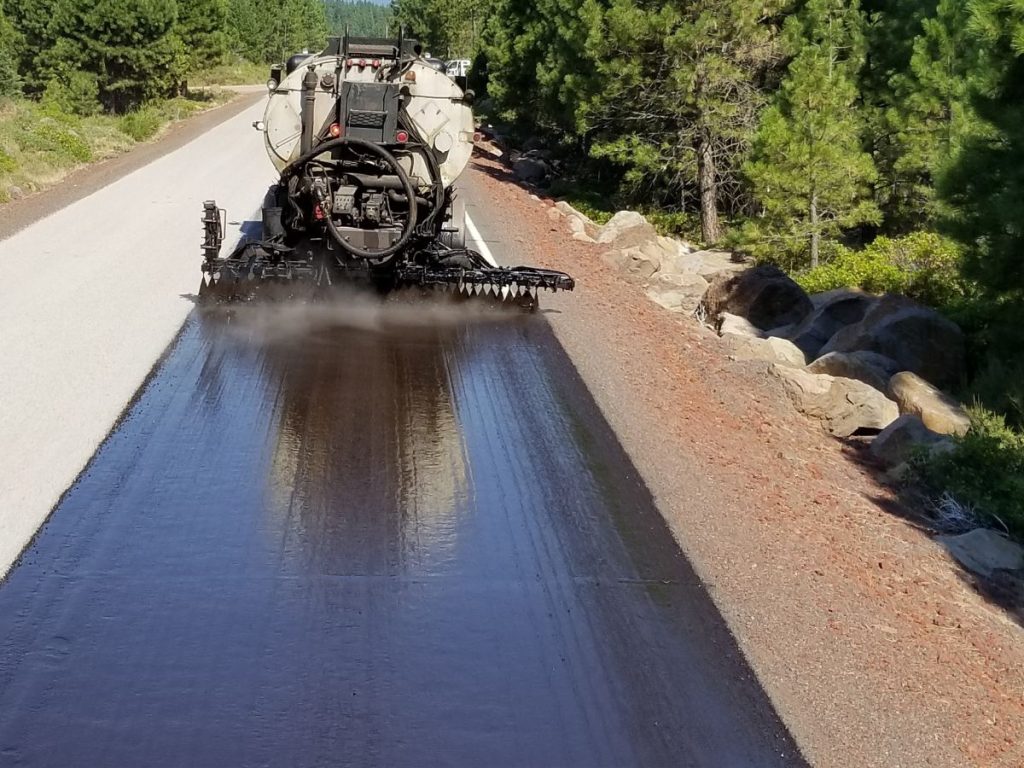
When you explore advanced asphalt paving techniques, you’ll discover several key benefits that can enhance your projects. One major advantage is improved durability.
These techniques often involve specialized surface treatments that can greatly extend the lifespan of your pavement. By using high-quality materials and methods, you’ll find that your surfaces resist cracking and wear, reducing the need for frequent pavement maintenance.
Another benefit is enhanced safety. Advanced techniques often provide better skid resistance and smoother finishes, making your surfaces safer for drivers and pedestrians alike.
Additionally, these methods can lead to cost savings over time. With fewer repairs and less maintenance required, you can allocate your budget more effectively.
Finally, adopting advanced techniques demonstrates a commitment to sustainability. Many of these methods incorporate recycled materials or eco-friendly practices, aligning your projects with modern environmental standards.
Embracing these innovations can truly transform your paving projects for the better.
What Is Warm Mix Asphalt and Why It Matters?
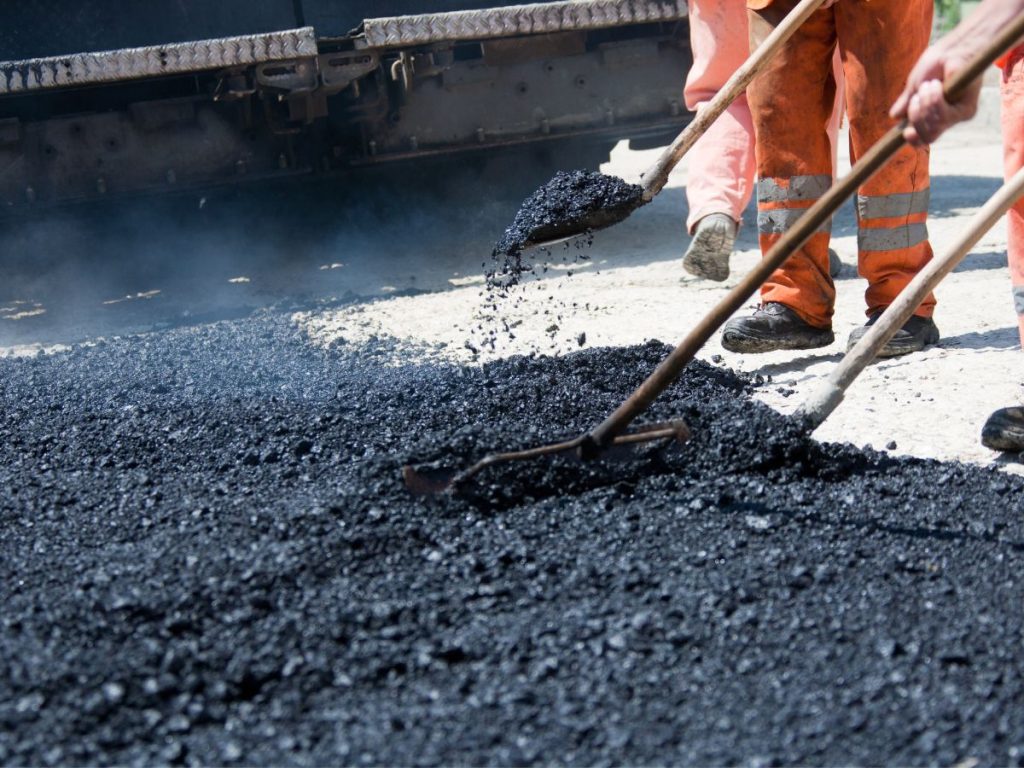
Warm mix asphalt is a game changer in the paving industry, offering significant environmental benefits by reducing emissions during production.
You’ll find that its unique production process allows for mixing at lower temperatures, which not only saves energy but also enhances performance.
Understanding these advantages can help you make informed choices for your paving projects.
Environmental Benefits Explained
Although traditional asphalt paving has been a reliable choice for road construction, warm mix asphalt (WMA) is gaining attention for its environmental benefits. This innovative approach aligns with eco-friendly practices and green technology, helping reduce the carbon footprint of paving projects.
Here are three key benefits of WMA:
- Energy Efficiency: It requires less energy to produce, lowering greenhouse gas emissions.
- Air Quality: By emitting fewer volatile organic compounds, WMA improves air quality during the paving process.
- Soil Preservation: The lower temperatures involved in WMA production minimize soil disruption and protect sustainable resources.
With these advantages, WMA considerably lessens the environmental impact of asphalt paving, promoting a greener future for road construction.
Production Process Overview
The production of warm mix asphalt (WMA) revolutionizes the paving industry by utilizing advanced techniques that lower production temperatures. This innovative approach allows you to produce asphalt at 50 to 100 degrees Fahrenheit less than traditional hot mix asphalt.
By adopting various production methods, including the use of additives and foaming technologies, you enhance workability while reducing emissions.
Quality control is essential in this process, ensuring that the final product meets all performance standards. With careful monitoring, you can maintain consistency in the mix, which leads to a durable surface.
WMA not only improves the efficiency of the paving operation, but it also contributes to sustainability efforts, making it a smart choice for modern paving projects.
Performance Advantages Highlighted
Utilizing warm mix asphalt (WMA) brings significant performance advantages that set it apart from traditional methods. By lowering production temperatures, WMA enhances your paving projects in several ways:
- Improved Workability: You can easily handle and compact the material, even in cooler conditions.
- Enhanced Durability: WMA often outperforms traditional asphalt in durability tests, leading to a longer lifespan.
- Better Performance Metrics: With reduced thermal segregation, you’ll see fewer cracks and ruts, ensuring a smoother surface.
These benefits not only improve the quality of the pavement but also reduce environmental impact.
Adopting WMA can lead to more efficient projects and better long-term results, making it a smart choice for your next paving endeavor.
How Recycled Materials Enhance Asphalt Durability
When you incorporate recycled materials into asphalt mixtures, you not only contribute to environmental sustainability but also enhance the durability of the pavement. Utilizing recycled aggregates, such as reclaimed asphalt pavement (RAP), improves the overall performance of your asphalt.
These materials often contain properties that make the mix more resilient against cracking and deformation. Through performance testing, you can see how these mixtures stand up to various stresses, including temperature changes and heavy traffic loads.
The recycled components bond well with new materials, creating a cohesive and robust structure. Moreover, incorporating these materials can reduce the need for virgin resources, making your project more cost-effective.
Technologies That Extend the Lifespan of Asphalt
While many factors contribute to the lifespan of asphalt, innovative technologies are leading the way in enhancing durability and performance.
Innovative technologies are revolutionizing asphalt longevity, enhancing its durability and performance significantly.
You can greatly boost your asphalt’s longevity through several advanced methods. Here are three key technologies you should consider:
- Asphalt Additives: Adding polymers or rubber can improve flexibility and resistance to cracking, making your pavement last longer.
- Warm Mix Asphalt: This technique reduces the production temperature, minimizing emissions and allowing for better workability, which can enhance the overall quality.
- Foamed Asphalt: By introducing water into hot asphalt, you create a foam that improves mixture homogeneity and reduces the need for additives, leading to longevity enhancements.
These technologies not only extend the lifespan of your asphalt but also guarantee that your investment pays off over time.
Embracing these innovations can make a considerable difference in your paving projects.
Sustainable Practices in Asphalt Paving
Asphalt paving isn’t just about durability; it also involves embracing sustainable practices that benefit the environment and your community. By integrating green technology and eco-friendly materials, you can reduce the ecological footprint of your projects. Recycled asphalt pavement (RAP) and warm-mix asphalt are just a couple of options that enhance sustainability while maintaining performance.
Here’s a quick overview of sustainable practices in asphalt paving:
| Practice | Description | Benefits |
| Recycled Asphalt | Using reclaimed materials from old pavements | Reduces waste and costs |
| Warm-Mix Asphalt | Lower temperatures during production | Decreases energy use |
| Bio-based Additives | Using natural materials in mixes | Improves flexibility |
| Porous Pavement | Allows water drainage through the surface | Reduces runoff and flooding |
Cost-Effective Advanced Asphalt Solutions
When you’re looking for cost-effective asphalt solutions, consider how sustainable materials can make a difference.
Innovative recycling techniques not only save money but also contribute to environmental stewardship.
Plus, focusing on long-term durability strategies can guarantee your investment lasts, reducing the need for frequent repairs.
Sustainable Material Utilization
Though the construction industry often faces pressure to reduce costs, implementing sustainable material utilization in asphalt paving can lead to both environmental benefits and long-term savings.
By focusing on sustainable sourcing and incorporating eco-friendly additives, you can create durable pavements while minimizing your carbon footprint. Here are three strategies to evaluate:
- Recycled Materials: Use reclaimed asphalt pavement (RAP) to reduce waste and lower material costs.
- Eco-Friendly Additives: Integrate bio-based or warm-mix asphalt technologies to enhance performance and reduce emissions.
- Local Sourcing: Source materials locally to cut transportation costs and support regional economies.
Innovative Recycling Techniques
Implementing sustainable material utilization sets the stage for exploring innovative recycling techniques in asphalt paving. By embracing recycling innovations, you can greatly enhance asphalt sustainability while reducing costs.
One effective method is using reclaimed asphalt pavement (RAP), where old asphalt is processed and reused in new mixes. This not only minimizes waste but also cuts down on the need for new materials.
Warm mix asphalt is another technique that allows for lower production temperatures, reducing energy consumption and emissions. Additionally, incorporating recycled materials like rubber from tires or plastics can improve performance and durability.
Long-Term Durability Strategies
Achieving long-term durability in asphalt paving is vital for cost-effective maintenance and performance.
To guarantee your pavement stands the test of time, focus on these strategies:
- Enhance crack resistance: Use high-performance asphalt mixes that incorporate additives, improving flexibility and reducing the likelihood of cracks.
- Implement moisture management: Proper drainage systems are essential. They help divert water away from the pavement, minimizing damage from moisture infiltration.
- Regular maintenance: Schedule periodic inspections and maintenance tasks like sealing cracks and resurfacing to prolong the life of your asphalt.
Frequently Asked Questions
How Do Weather Conditions Affect Asphalt Paving Techniques?
Weather impacts asphalt paving substantially. You must consider seasonal conditions; extreme heat can cause softening, while cold temperatures may delay curing. Adjust your techniques accordingly to guarantee ideal performance and longevity of the pavement.
What Maintenance Is Required After Advanced Asphalt Paving?
After advanced asphalt paving, you need regular maintenance like sealcoating for protection and enhancing lifespan. Don’t forget crack filling to prevent further damage. These steps keep your pavement in top shape and looking great.
Can Advanced Techniques Be Applied to Existing Asphalt Surfaces?
Yes, you can apply advanced techniques to existing asphalt surfaces. Consider surface rejuvenation to restore flexibility, and explore overlay options for added durability. These methods enhance performance and extend the lifespan of your pavement.
How Do Local Regulations Impact Asphalt Paving Methods?
Local regulations shape your asphalt paving methods by enforcing safety standards and promoting sustainability practices. You’ll need to adapt your techniques to comply, ensuring your projects meet legal requirements while being environmentally responsible.
What Training Is Needed for Asphalt Paving Professionals?
To become proficient in asphalt paving, you’ll need certification programs, equipment training, and a solid grasp of safety protocols and quality assurance practices. These elements guarantee you deliver high-quality work while maintaining safety standards.
Final Thoughts
At All Around Asphalt, we know that advanced asphalt paving techniques make a lasting difference in the strength, durability, and long-term performance of paved surfaces. From improved materials and recycled components to better installation methods and proactive maintenance strategies, these approaches help create asphalt surfaces that stand up to traffic, weather, and wear more effectively over time.
If you are planning a paving project and want dependable results built for long-term value, our team is here to help with expert commercial asphalt paving, reliable residential asphalt paving, professional asphalt resurfacing, and trusted asphalt sealcoating. Contact All Around Asphalt today to schedule a consultation and let us help you create asphalt surfaces designed for lasting performance and long-term protection.