
Sustainable asphalt paving solutions for modern roads focus on eco-friendly materials and innovative techniques that reduce waste and carbon footprints. Using recycled asphalt not only cuts costs but also conserves resources, while warm mix asphalt decreases energy consumption and emissions during production. These solutions offer durability and effective stormwater management, contributing to greener infrastructure. Curious about successful case studies and future trends in sustainable asphalt? You’re in for some valuable insights!
Key Takeaways
- Utilize recycled asphalt materials to conserve resources and support a circular economy in road construction.
- Implement warm mix asphalt to reduce energy consumption and greenhouse gas emissions during production.
- Adopt porous asphalt for effective stormwater management, reducing flooding and enhancing groundwater recharge.
- Engage communities in sustainable asphalt projects to foster ownership and demonstrate environmental and economic benefits.
- Collaborate among policymakers, engineers, and researchers to drive innovations in sustainable asphalt practices and materials.
What Are Sustainable Asphalt Paving Solutions?
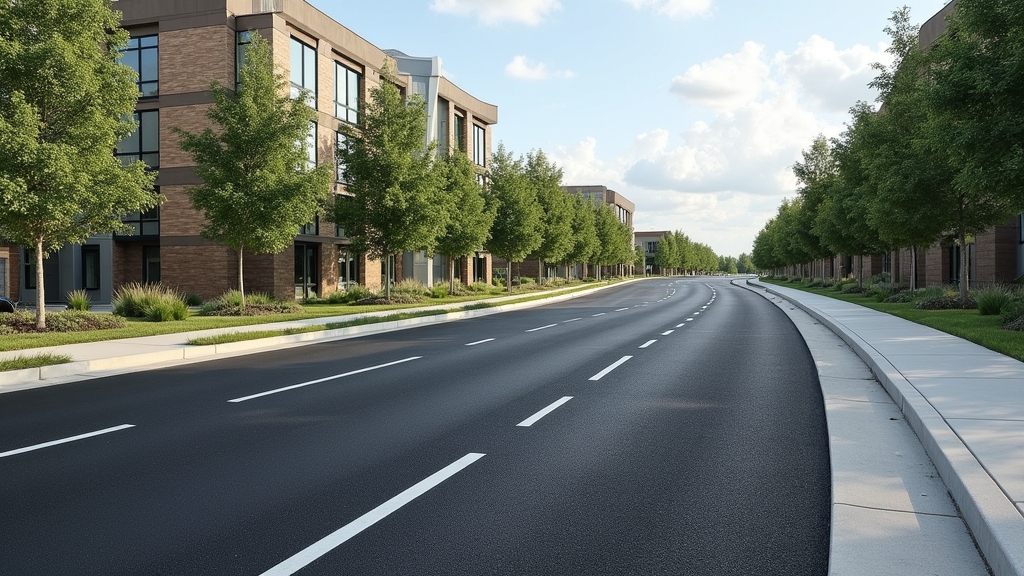
When you think about paving solutions, sustainable asphalt options mightn’t be the first thing that comes to mind, yet they play an essential role in reducing environmental impact.
Sustainable asphalt paving solutions incorporate sustainable materials and innovative techniques, which not only minimize carbon footprints but also enhance performance. For instance, using recycled asphalt can considerably reduce the need for new materials, while advanced binding agents improve durability.
Lifecycle analysis of these solutions shows they often outperform traditional asphalt regarding longevity and maintenance costs. You’ll find that these sustainable approaches contribute to infrastructure resilience, ensuring roads withstand the test of time and climate challenges.
Why Eco-Friendly Materials Matter in Asphalt

Eco-friendly materials matter in asphalt because they considerably reduce the environmental impact of paving projects. By choosing these materials, you not only contribute to a healthier planet but also enjoy various eco-friendly benefits. Sustainable sourcing practices guarantee that the materials used in asphalt are derived from renewable resources, minimizing waste and promoting recycling.
Here’s a quick overview of eco-friendly materials and their impact:
| Material Type | Eco-Friendly Benefits | Sustainable Sourcing |
| Recycled Asphalt | Reduces waste and conserves resources | Sourced from existing pavement |
| Warm Mix Asphalt | Lowers energy consumption | Uses less heat during production |
| Bio-based Additives | Enhances performance and reduces emissions | Made from renewable materials |
How Recycled Asphalt Cuts Costs and Waste
Recycled asphalt not only helps you save money but also reduces waste in landfills.
By reusing materials, you lower the cost of new asphalt production and cut down on environmental impact.
It’s a win-win situation for your budget and the planet.
Economic Benefits Explained
As you explore sustainable paving options, you’ll discover that using reclaimed asphalt can considerably reduce both costs and waste.
By incorporating recycled materials into your projects, you can achieve significant economic savings. Using reclaimed asphalt lowers material expenses, transportation costs, and disposal fees, making your budget stretch further.
Plus, this practice can stimulate job creation in local recycling facilities and asphalt production plants, boosting the economy in your area. You’re not just saving money; you’re supporting a more sustainable industry.
As demand for recycled asphalt increases, it can lead to more jobs and a healthier local economy. Embracing these sustainable practices not only benefits your finances but also fosters community growth and resilience.
Environmental Impact Reduction
Incorporating reclaimed asphalt not only boosts your budget but also greatly cuts environmental impact. By using recycled materials, you notably reduce the carbon footprint associated with new asphalt production. This aligns with sustainable practices, helping you contribute to a cleaner planet while saving on costs.
Here’s a quick comparison of the benefits:
| Benefit | Traditional Asphalt | Recycled Asphalt |
| Cost | Higher | Lower |
| Carbon Footprint | Higher | Lower |
| Waste Production | High | Reduced |
| Resource Use | New materials | Reclaimed |
| Sustainability Impact | Limited | Enhanced |
Eco-Friendly Production Methods for Sustainable Asphalt
While traditional asphalt production often leads to noteworthy environmental concerns, innovative eco-friendly methods are transforming the industry.
You might be surprised to learn how these production innovations utilize recycled materials, reducing waste and conserving resources.
Here are four key methods making a difference:
- Reclaimed Asphalt Pavement (RAP): This process reuses old asphalt, considerably cutting down on new materials needed.
- Warm Mix Asphalt: By lowering production temperatures, this method reduces energy consumption and emissions.
- Bio-based Additives: Incorporating natural materials replaces some petroleum-based components, enhancing sustainability.
- High-RAP Mixes: These mixes contain a higher percentage of recycled asphalt, promoting a circular economy in road construction.
How Warm Mix Asphalt Lowers Emissions
Warm mix asphalt is a game changer when it comes to lowering emissions in paving.
By reducing production temperatures and cutting energy consumption, you’ll notice a significant drop in greenhouse gas emissions.
This innovative approach not only benefits the environment but also enhances the overall sustainability of your projects.
Reduced Production Temperatures
How can a simple adjustment in asphalt production lead to significant environmental benefits? By using Warm Mix Asphalt (WMA), you can achieve reduced production temperatures, which translates into reduced emissions. Here’s how it works:
- Lower Temperatures: WMA is produced at 30-100°F cooler temperatures than traditional hot mix asphalt.
- Fewer Emissions: This temperature reduction means fewer harmful emissions are released into the atmosphere.
- Enhanced Workability: The lower temperatures improve the mix’s workability, allowing for better compaction.
- Longer Paving Season: You can pave in cooler weather, extending the paving season and ensuring more consistent results.
Embracing these temperature benefits not only helps the environment but also promotes a more efficient paving process.
Lower Energy Consumption
As you consider the benefits of Warm Mix Asphalt (WMA), it’s important to note that lower production temperatures directly lead to decreased energy consumption.
By utilizing energy efficient technologies, WMA reduces the amount of fuel needed during the asphalt production process. This not only lowers operational costs but also aligns with sustainable practices that promote environmental responsibility.
When you choose WMA, you’re contributing to a significant reduction in energy use, which is essential for paving a greener future. Additionally, this approach allows for longer paving seasons and improved workability, making it a practical choice for contractors.
Ultimately, opting for WMA means you’re making a commitment to energy sustainability while still ensuring quality in your road projects.
Decreased Greenhouse Gas Emissions
Choosing Warm Mix Asphalt not only lowers energy consumption but also greatly decreases greenhouse gas emissions. By opting for this innovative material, you can markedly reduce your project’s carbon footprint, helping combat climate change.
Here’s how Warm Mix Asphalt makes a difference:
- Lower Production Temperatures: It’s produced at temperatures 20-40°F lower than traditional asphalt, reducing energy use.
- Reduced Emissions During Production: This method lowers volatile organic compounds (VOCs) and greenhouse gases released into the atmosphere.
- Extended Lifespan: Warm Mix Asphalt’s durability means roads last longer, minimizing the need for frequent repairs.
- Recyclability: You can recycle Warm Mix Asphalt, further decreasing waste and emissions from new materials.
Why Porous Asphalt Helps Manage Stormwater
While traditional asphalt surfaces can exacerbate stormwater runoff, porous asphalt offers a sustainable solution by allowing water to seep through its structure. This innovative type of pavement effectively manages stormwater, reducing the risk of flooding and erosion.
When rain falls, porous asphalt absorbs excess water, directing it into a sub-base where it can slowly infiltrate the soil. By doing this, porous pavement not only minimizes surface runoff but also helps recharge groundwater supplies. This is essential for urban areas, where impervious surfaces dominate.
Furthermore, utilizing porous asphalt can lead to cleaner water, as it filters pollutants before they reach local waterways. Incorporating porous asphalt into your paving projects contributes to effective stormwater management, making your roads both functional and environmentally friendly.
Utilizing porous asphalt enhances water quality by filtering pollutants, promoting effective stormwater management and eco-friendly infrastructure.
Embracing this technology means you’re playing a part in creating sustainable infrastructure that benefits both communities and the ecosystem.
How Durable Are Sustainable Asphalt Mixes?
When you consider sustainable asphalt mixes, you might wonder how they hold up under stress.
Their performance can affect not just their longevity but also the maintenance you’ll need to keep them in top shape.
Let’s explore how these mixes stand up to the demands of everyday use.
Performance Under Stress
As sustainable asphalt mixes gain popularity, their performance under stress becomes a critical factor to analyze.
You’ll want to contemplate several key aspects of these mixes when evaluating their durability:
- Stress Resistance: Sustainable mixes often incorporate recycled materials that enhance their ability to withstand environmental pressures.
- Load Capacity: They’re designed to support heavy traffic loads, ensuring they maintain structural integrity under continuous use.
- Temperature Adaptability: These mixes can perform well across a range of temperatures, reducing the risk of cracking.
- Moisture Resilience: Improved resistance to moisture can prevent damage, extending the lifespan of the pavement.
Longevity and Maintenance Needs
Although sustainable asphalt mixes are designed for durability, understanding their longevity and maintenance needs is essential for ensuring long-term performance.
These mixes can considerably extend asphalt lifespan when properly maintained. Regular inspections help identify early signs of wear and tear, allowing you to address issues before they escalate.
Maintenance strategies such as sealcoating and crack filling can protect the surface from moisture and damage, ultimately prolonging its life. Additionally, timely repairs help maintain smoothness and safety, reducing the need for costly overhauls.
Successful Green Asphalt Case Studies
While many still view traditional asphalt paving as the norm, successful green asphalt case studies demonstrate that sustainable practices can lead to both environmental benefits and cost savings.
Successful green asphalt case studies reveal that sustainable practices offer both environmental advantages and significant cost savings.
By embracing innovative techniques and fostering community involvement, these projects show the potential of green asphalt solutions.
Here are four notable examples:
- Recycled Materials: Using reclaimed asphalt pavement (RAP) reduces waste and lowers costs, showcasing effective recycling.
- Warm Mix Asphalt: This method minimizes energy use and emissions, proving environmentally friendly without sacrificing performance.
- Permeable Pavements: These allow water to infiltrate, reducing runoff and promoting groundwater recharge, helping communities manage stormwater.
- Community Engagement: Involving local residents in planning and feedback guarantees the projects meet community needs and supports a sense of ownership.
These case studies highlight how green asphalt paving isn’t just feasible; it’s beneficial for both the environment and the economy.
What Are the Challenges of Sustainable Asphalt?
Implementing sustainable asphalt solutions comes with its own set of challenges that can complicate the shift from traditional methods. One major hurdle is recycling challenges. While reusing old asphalt can reduce waste and lower costs, the process can be complicated. You’ll often face difficulties in ensuring the quality and consistency of recycled materials, which can affect the final product’s performance.
Material sourcing is another significant challenge. Sustainable asphalt often requires specific types of aggregates or additives that may not be readily available in your area. This can lead to increased transportation costs and carbon emissions, which contradicts the very goals of sustainability.
Moreover, you might encounter resistance from stakeholders accustomed to conventional paving practices, making it harder to adopt new techniques. Steering through these challenges requires careful planning and collaboration among all parties involved in the paving process.
What Are the Future Trends in Sustainable Asphalt?
What new innovations are shaping the future of sustainable asphalt? As you look ahead, several trends are emerging that promise to enhance sustainability in paving.
Here are four key developments to watch:
- Smart materials: These materials can adapt to environmental changes, improving durability and performance.
- Adaptive pavements: These systems offer climate resilience by adjusting to temperature variations and reducing heat absorption.
- Green technologies: Innovations like recycled asphalt and bio-based binders are making way for environmentally friendly practices that minimize waste.
- Collaborative efforts: Policymakers, engineers, and researchers are working together to drive policy advancements that support sustainable practices in asphalt production and application.
Frequently Asked Questions
How Long Does Sustainable Asphalt Last Compared to Traditional Asphalt?
Sustainable asphalt generally lasts longer than traditional asphalt, offering enhanced durability. You’ll appreciate its longevity benefits, as it often withstands wear and tear better, reducing maintenance costs and extending the lifespan of your roads.
Can Sustainable Asphalt Be Used in All Climates?
Yes, sustainable asphalt can be used in all climates. Its climate adaptability and temperature resilience allow it to withstand extreme weather conditions, ensuring durability and performance no matter where you’re paving.
What Maintenance Is Required for Sustainable Asphalt Roads?
To maintain sustainable asphalt roads, you’ll need preventive maintenance like regular inspections and sealcoating. When issues arise, use repair techniques such as patching and resurfacing to extend the road’s lifespan and guarantee safety.
Are There Certifications for Sustainable Asphalt Products?
Yes, there are certifications for sustainable asphalt products. Look for eco label standards from certification bodies like the Environmental Protection Agency or the International Organization for Standardization, which verify environmental performance and sustainability practices in asphalt materials.
How Does Sustainable Asphalt Impact Local Wildlife?
Sustainable asphalt can enhance local wildlife by incorporating wildlife corridors and supporting habitat preservation. By minimizing environmental disruption, you help maintain ecosystems, allowing animals to thrive while reducing fragmentation caused by traditional paving methods.
Final Thoughts
To sum up, sustainable asphalt paving solutions are key to building modern roads that balance performance, cost efficiency, and environmental responsibility. By incorporating options like recycled asphalt, warm mix asphalt, and porous pavement systems, you can reduce emissions, conserve natural resources, and improve stormwater management—without sacrificing durability. These practices support greener infrastructure today while helping communities prepare for tomorrow’s climate and traffic demands.
If you’re exploring sustainable options for your roads, parking lots, or commercial spaces, the team at All Around Asphalt can help you choose eco-conscious solutions that fit your goals and budget. From forward-thinking commercial asphalt paving to long-term protection with asphalt sealcoating and asphalt resurfacing, they bring real-world experience and a focus on quality to every project—learn more about their approach on the About Us page.
Ready to make your next paving project more sustainable? Contact All Around Asphalt to discuss design options, recycled materials, and maintenance strategies tailored to your site. You can reach them through their contact page or call 862-283-9101 to schedule a consultation and get a detailed quote for your sustainable asphalt paving project.