
You might be surprised by common mistakes in asphalt paving. First, improper temperature can lead to weak spots; lay asphalt between 275°F and 300°F. Skipping site preparation is another error; guarantee proper grading and compaction. Neglecting drainage solutions can cause water damage, so design slopes effectively. Choosing the wrong asphalt mix for your traffic and climate can weaken your pavement. Finally, ignoring regular maintenance leads to costly repairs. Stick around to uncover more essential paving insights!
Key Takeaways: Avoid These 5 Common Asphalt Paving MistakesKey Takeaways
- Failing to monitor asphalt temperature can lead to weak spots and cracks, compromising the pavement’s integrity.
- Inadequate site preparation, such as poor grading, can result in drainage issues and premature asphalt failure.
- Ignoring the specific traffic load and climate conditions when choosing asphalt mix can lead to insufficient durability and performance.
- Neglecting regular maintenance and inspections often results in minor issues escalating into costly repairs and decreased lifespan.
- Overlooking drainage solutions, like slopes and catch basins, can cause water accumulation, leading to structural damage over time.
Understanding Temperature Guidelines for Asphalt Laying
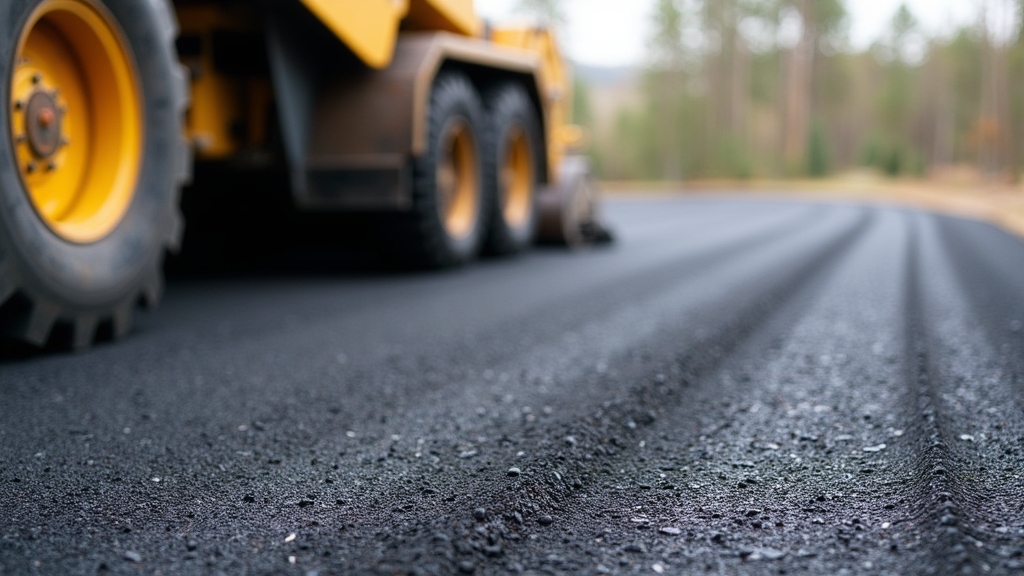
When it comes to asphalt laying, understanding temperature guidelines is vital for achieving a durable and smooth surface. You need to monitor the temperature closely during the paving process.
Ideally, the asphalt should be laid at temperatures between 275°F and 300°F. This range guarantees proper compaction and prevents thermal segregation, which can weaken the final product.
Laying asphalt at temperatures between 275°F and 300°F ensures optimal compaction and prevents thermal segregation for a stronger finish.
If the asphalt cools too much before compaction, you risk creating weak spots that can lead to cracks and deterioration. That’s why effective temperature monitoring is significant.
Using infrared thermometers or thermal imaging can help you identify temperature variations across the laid surface.
Keep in mind that external factors like wind and humidity can affect temperature, so it’s important to adjust your approach accordingly.
Importance of Proper Site Preparation in Asphalt Paving
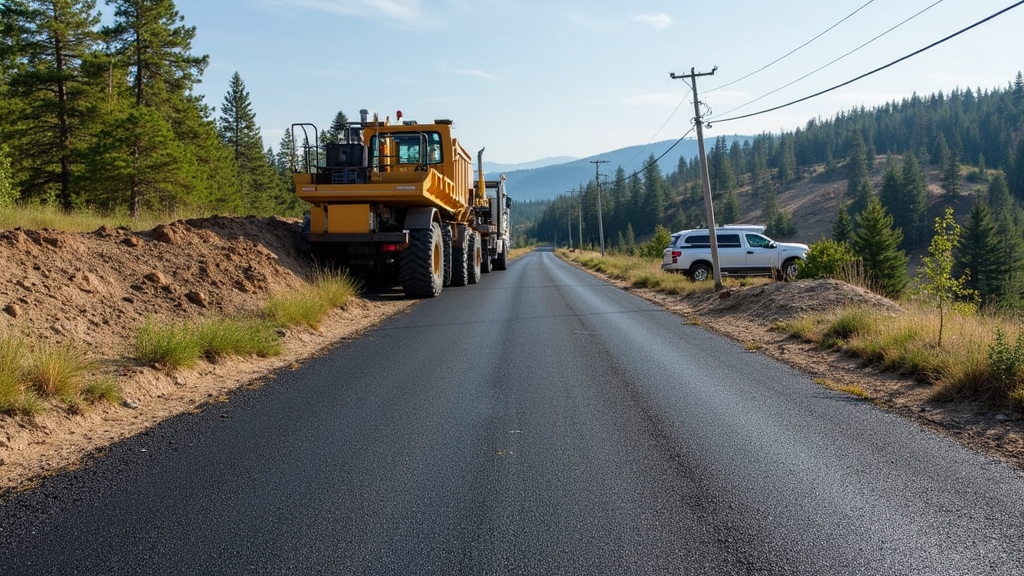
Proper site preparation is essential for successful asphalt paving, as it sets the stage for a durable and stable surface. Without it, you could face costly repairs and premature failure.
To guarantee you get it right, consider these key steps:
- Site Assessment: Conduct a thorough evaluation of the area. Look for any potential issues like drainage problems or underlying soil instability that could affect the asphalt’s longevity.
- Soil Compaction: Properly compact the soil before laying asphalt. This process helps eliminate air pockets and guarantees a solid foundation, which reduces the risk of cracking or settling later on.
- Grading and Leveling: Ensure the surface is level and appropriately graded for drainage. This prevents water pooling, which can weaken the pavement and lead to further issues.
How to Implement Effective Drainage Solutions for Longevity?
How can you guarantee your asphalt pavement lasts longer? Implementing effective drainage solutions is essential. Start with a solid drainage design that directs water away from the pavement. This helps prevent pooling, which can lead to damage over time.
Incorporate features like sloped surfaces and drainage ditches to enhance water management. Confirm that the subgrade is well-compacted and permeable to allow moisture to escape, reducing pressure on the asphalt.
Installing catch basins or French drains can also be beneficial, as they collect and channel excess water efficiently.
Regular maintenance is vital; inspect your drainage systems frequently to clear debris and verify they’re functioning correctly.
Choosing the Right Asphalt Mix for Your Project
What factors should you consider when choosing the right asphalt mix for your project? The asphalt composition and mix design are essential elements that impact durability and performance.
Here are three key items to keep in mind:
- Traffic Load: Consider the volume and type of traffic your surface will endure. Heavier loads require a more robust mix.
- Climate Conditions: Different climates can affect the asphalt’s performance. Warmer areas may need mixes that resist softening, while colder regions might benefit from mixes designed to withstand freezing.
- Intended Use: The purpose of the pavement—whether for residential driveways, commercial parking lots, or roadways—will dictate the specific asphalt mix needed.
Don’t Skip Regular Maintenance and Inspections
While it might be tempting to overlook maintenance after paving, skipping regular inspections can lead to costly repairs down the line. By prioritizing preventative measures, you can extend the life of your asphalt surface and save money in the long run.
Establishing a maintenance schedule is essential; it helps identify minor issues before they escalate into major problems. Regular inspections allow you to catch cracks, potholes, or drainage issues early.
You’ll want to check for signs of wear and tear, especially after extreme weather. Maintaining a clean surface by removing debris and applying sealants when needed can greatly enhance durability.
Don’t underestimate the importance of these routine checks; they’re your best defense against premature deterioration. By staying proactive, you guarantee your pavement remains in top condition, providing a smooth and safe experience for everyone.
Frequently Asked Questions
What Tools Are Essential for Asphalt Paving Projects?
For asphalt paving projects, you’ll need essential tools like asphalt rollers for compacting the surface and paving rakes for spreading and leveling the asphalt. These tools guarantee a smooth, durable finish for your paving work.
How Do Weather Conditions Affect Asphalt Paving?
Weather conditions greatly impact asphalt paving. Temperature fluctuations can cause cracks, while high humidity levels might delay drying. You should always monitor these factors to guarantee your project’s success and longevity.
Can I Pave Asphalt Over Existing Concrete?
Yes, you can pave asphalt over existing concrete, but ascertain concrete’s compatibility. Proper preparation enhances asphalt longevity, preventing cracks and other issues. Always consult a professional for the best results and to assess your specific situation.
What Are Common Mistakes During Asphalt Installation?
Common mistakes during asphalt installation include not ensuring proper asphalt thickness and poor installation timing. You should always check weather conditions and choose ideal temperatures to avoid issues with adhesion and longevity of your pavement.
How Long Does Asphalt Take to Cure?
Asphalt typically takes about 24 to 48 hours to cure. During this curing process, you’ll want to avoid heavy traffic. Proper curing guarantees durability and longevity, allowing your asphalt to perform at its best.
Final Thoughts
In summary, avoiding these common asphalt paving mistakes can save you time and money in the long run. By understanding temperature guidelines, preparing your site properly, implementing effective drainage, choosing the right mix, and prioritizing regular maintenance, you’ll help guarantee a durable, long-lasting surface.
If you’re planning a new residential asphalt paving project, upgrading a commercial asphalt paving surface, or need expert asphalt repair, the experienced team at All Around Asphalt is ready to help you avoid these costly errors and get the job done right.
For property owners in and around Mahwah, NJ, services like asphalt sealcoating and asphalt resurfacing can further extend the life of your pavement and protect your investment, whether it’s a driveway or a parking lot.
Don’t underestimate the impact of these factors—taking the right steps now will lead to a smoother, more resilient asphalt project that truly stands the test of time. Ready to get started or have questions about your next paving job? Contact All Around Asphalt today to discuss your project, request a quote, or schedule a consultation with our paving professionals.