
Revealing the secrets of asphalt paving installation starts with knowing its importance for durable surfaces. You’ll need the right tools, from safety gear to compaction equipment, to guarantee a professional finish. Choosing the correct mix is essential, too, whether it’s hot, warm, or cold asphalt. Proper site preparation and compaction greatly enhance longevity, while avoiding common mistakes safeguards your investment. Ready to get into more details on maintaining your asphalt and identifying repairs?
Asphalt Paving Installation: Key Insights & Best PracticesKey Takeaways
- Proper site preparation and drainage are crucial for a long-lasting asphalt surface.
- Use the appropriate asphalt mix based on traffic levels and environmental conditions.
- Maintain optimal temperatures during installation to ensure proper adhesion and curing.
- Regular inspections and timely repairs help prevent significant damage and maintain surface integrity.
- Quality tools and equipment enhance the professional finish and durability of asphalt paving projects.
What Is Asphalt Paving and Why Is It Important?
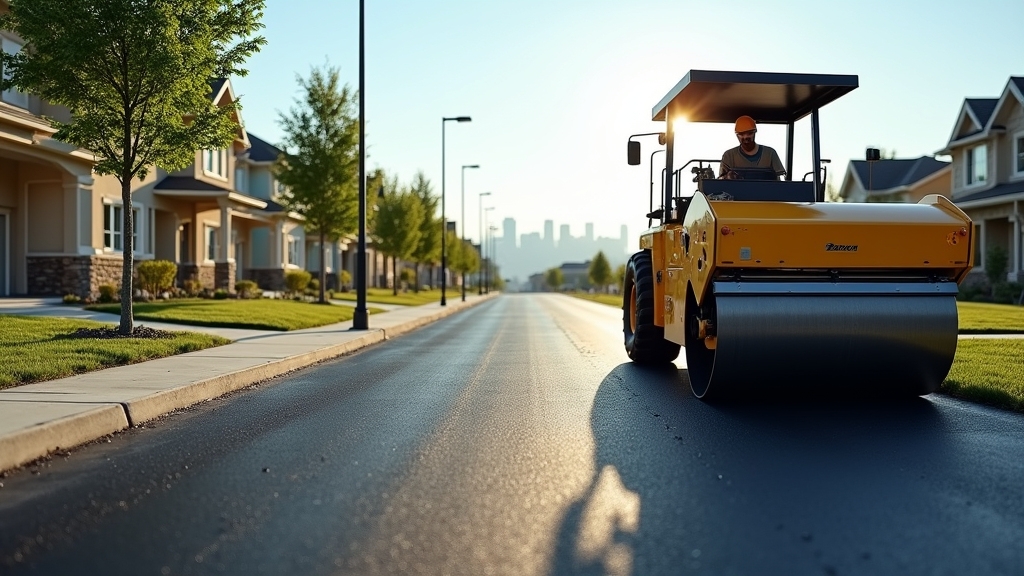
Asphalt paving is an essential component of modern infrastructure, providing smooth, durable surfaces for roads, driveways, and parking lots.
When you choose asphalt, you’re investing in several asphalt benefits, including excellent surface durability and paving longevity. This material can withstand heavy traffic and harsh weather, ensuring your surfaces remain intact for years.
Proper installation techniques play a vital role in maximizing these advantages. A well-installed asphalt surface can minimize repairs and maintenance, leading to significant cost efficiency over time.
Additionally, asphalt’s ability to be recycled contributes to a positive environmental impact, reducing waste and conserving resources.
Essential Tools and Equipment for Asphalt Installation
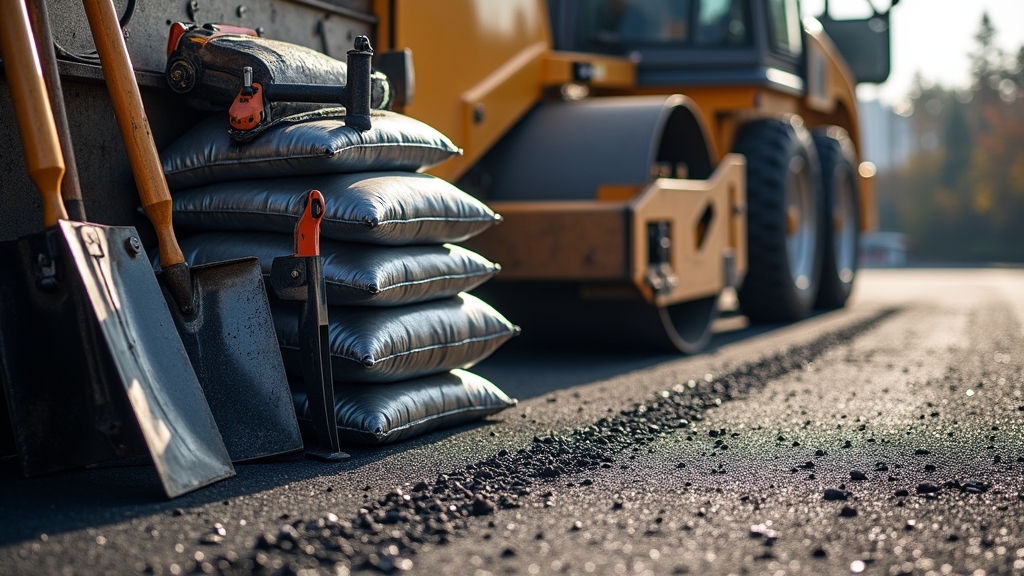
When you’re ready to tackle asphalt installation, having the right tools and equipment is vital.
You’ll need a mix of must-have tools and essential equipment to guarantee a smooth process and high-quality results.
Let’s explore what you absolutely need for a successful paving project.
Must-Have Tools
Installing asphalt requires the right tools to guarantee a smooth and durable surface. You’ll need a variety of essential asphalt tools to make sure your project runs efficiently. Here’s a quick guide:
| Tool Type | Purpose |
| Safety Equipment | Protects you during installation |
| Measurement Devices | Guarantees accurate dimensions |
| Installation Accessories | Aids in applying asphalt evenly |
Don’t forget your maintenance gear for ongoing care and quality checks to keep everything up to standard. Each of these tools plays a vital role in your asphalt installation, ensuring you achieve a professional finish that lasts. Invest in quality, and you’ll see the difference in your work!
Essential Equipment Overview
Having the right tools is just the beginning; understanding the equipment you’ll use is equally important for a successful asphalt installation.
Start with a reliable asphalt paver, which guarantees an even layer of asphalt. A roller compactor follows to solidify your work, providing durability. Don’t overlook the importance of a screed, which levels and smooths the asphalt surface.
To keep everything running smoothly, prioritize equipment maintenance. Regular checks on oil levels, belts, and tires can prevent costly breakdowns.
Stay updated on paving innovations that improve efficiency and quality. Familiarizing yourself with each piece of equipment will enhance your confidence and lead to better results.
Choosing the Right Asphalt Mix for Your Project
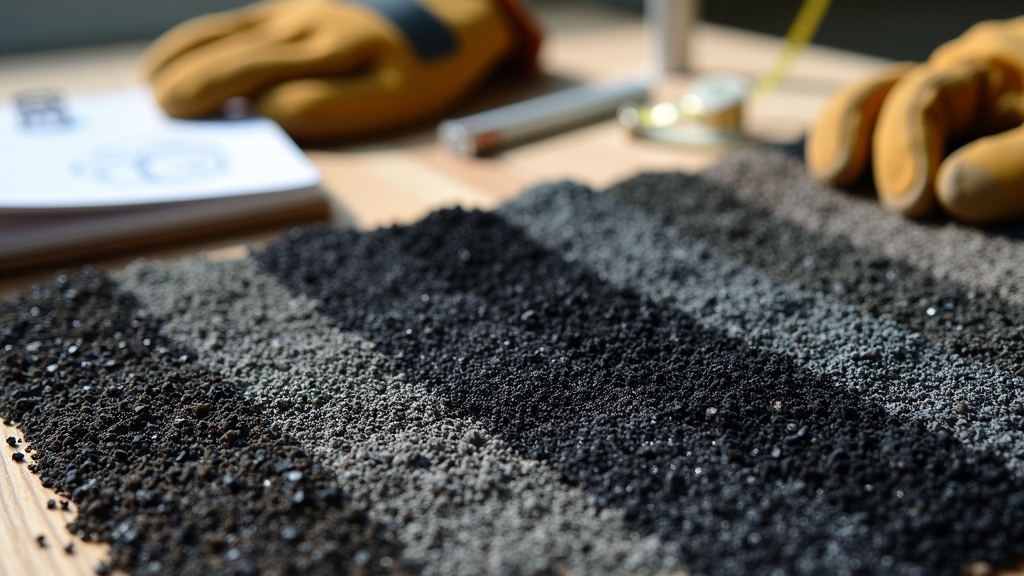
When you’re selecting an asphalt mix for your project, it’s essential to understand the different types available.
Each mix serves a specific purpose and can impact both performance and durability.
You’ll also want to take into account environmental factors that could influence your choice, ensuring your project meets local standards.
Understanding Mix Types
Choosing the right asphalt mix is essential for the success of your paving project. Understanding the various mix types can greatly influence your project’s durability and appearance. Each mix has a unique asphalt composition that affects its performance. Here’s a quick overview to help you decide:
| Mix Type | Best Use | Key Feature |
| Hot Mix Asphalt | Heavy traffic areas | Superior mix performance |
| Warm Mix Asphalt | Moderate traffic | Lower temperature needs |
| Cold Mix Asphalt | Temporary patches | Easy to apply |
| Gap Graded Asphalt | Specialized surfaces | Enhanced drainage |
| Porous Asphalt | Parking lots | Water permeability |
Environmental Considerations
Understanding the right asphalt mix not only impacts your project’s performance but also its environmental footprint. By choosing sustainable materials, you can reduce the environmental impact of your paving project.
For instance, incorporating recycled asphalt not only conserves resources but also lowers costs. This practice helps minimize waste while promoting a circular economy.
Additionally, using specific asphalt mixes can aid in noise reduction, which is essential in urban areas. These mixes are designed to absorb sound better than traditional options, creating a quieter environment.
How to Prepare Your Site for Asphalt Paving
Before you plunge into asphalt paving, it’s crucial to prepare your site properly to guarantee a smooth and durable finish. This preparation involves a few key steps that will set the stage for success.
- Confirm proper site grading to create a level surface.
- Plan for effective drainage to prevent water accumulation.
- Clear debris and vegetation to avoid interference with the asphalt.
- Mark boundaries and any existing utilities to prevent damage.
Taking the time to focus on site grading and drainage planning will greatly enhance the longevity of your asphalt.
A well-prepared site not only helps the asphalt adhere better but also reduces future maintenance costs.
Remember, investing effort upfront leads to a smoother, more reliable surface that’ll stand the test of time.
Why Compaction Is Key in Asphalt Paving?
While you may be enthusiastic to see your asphalt laid down, compaction plays an essential role in ensuring a durable surface. Proper compaction benefits your pavement by maximizing its strength and longevity.
Compaction is crucial for a durable asphalt surface, enhancing strength and longevity for lasting performance.
When asphalt is compacted correctly, it reduces air voids, preventing water infiltration and minimizing damage from freeze-thaw cycles.
There are various compaction methods you can use, such as vibratory rollers and plate compactors. Each method has its own advantages, depending on the size and type of your project.
For instance, vibratory rollers are great for large areas, while plate compactors are ideal for smaller, confined spaces.
Ultimately, investing time in effective compaction means you’ll enjoy a smoother, more resilient surface.
Techniques for Laying Asphalt Smoothly and Evenly
To lay asphalt smoothly and evenly, you need to focus on a few key techniques.
Start with proper site preparation, then verify you’re working within the ideal temperature range.
Finally, mastering effective compaction techniques will make all the difference in your finished surface.
Proper Site Preparation
Proper site preparation is essential for achieving a smooth and even asphalt surface, as it sets the foundation for the entire installation process.
Start by evaluating the area for proper drainage systems, ensuring water flows away from the pavement. You’ll also want to check soil stability; unstable soil can lead to cracks and uneven surfaces down the line.
Consider these vital steps:
- Clear debris to avoid imperfections.
- Compact the soil to enhance stability.
- Grade the surface for ideal drainage.
- Install drainage systems to protect your investment.
Optimal Temperature Control
Achieving ideal temperature control during asphalt paving is vital for laying a smooth and even surface. You need to monitor the temperature effects closely, as asphalt must be laid within a specific range to guarantee optimal bonding.
If it’s too cold, the asphalt won’t compact properly; too hot, and it may become too liquid, leading to a poor finish.
Timing your installation is essential—work during cooler parts of the day or on overcast days when the heat isn’t as intense.
Additionally, using insulated trucks can help maintain the asphalt’s temperature during transport.
Effective Compaction Techniques
While you’re laying asphalt, effective compaction techniques are crucial for creating a smooth and even surface. Proper compaction not only enhances durability but also greatly improves aesthetics.
Here are some key compaction methods to take into account:
- Choose the right equipment: Select rollers that suit your project size and asphalt thickness.
- Work in layers: Compact in thin layers for better soil stabilization and thorough compaction.
- Monitor moisture levels: Verify your asphalt mixture has the right moisture content for ideal results.
- Be mindful of timing: Compact soon after laying the asphalt to achieve the best bond.
How Weather Affects Asphalt Paving Installation?
When considering asphalt paving installation, weather plays a crucial role in determining the project’s success.
Temperature impacts the asphalt’s workability; ideally, you’ll want to pave when it’s between 70°F and 90°F. Cooler temperatures can lead to slower curing times, making it harder for the asphalt to set properly. On the flip side, excessive heat can cause the asphalt to become too soft, risking deformation.
Moisture effects can also be detrimental. Rain or high humidity can weaken the bonding between layers, leading to issues like cracking and premature failure. If you see rain in the forecast, it’s wise to postpone the installation.
Understanding these weather factors can help you time your project for best results, ensuring a durable and long-lasting pavement.
Always check the local weather conditions before you start, so you can make informed decisions that set your project up for success.
Top 5 Mistakes to Avoid When Installing Asphalt
Installing asphalt can be a straightforward process, but avoiding common mistakes is essential for achieving a durable surface. Many people fall for installation myths that lead to costly errors.
Here are some common misconceptions to watch out for:
- Neglecting proper drainage: Without adequate drainage, your asphalt can degrade quickly.
- Ignoring temperature: Asphalt needs to be installed at the right temperature for ideal adhesion.
- Rushing the curing process: Allow sufficient time for asphalt to cure before heavy use, or you risk damage.
- Cutting corners on thickness: A thinner layer may save money initially but will lead to premature failure.
How to Maintain Your Asphalt for Longevity
Proper installation lays the groundwork for your asphalt, but regular maintenance is key to ensuring its longevity.
Start with routine inspections to catch any issues early. Look for cracks and fill them promptly; this prevents water from seeping in and causing further damage. Asphalt sealing every few years protects the surface from UV rays and weathering, extending its life.
Routine inspections and prompt crack repairs are essential for preventing water damage and extending the life of your asphalt.
Don’t forget surface cleaning; remove debris and oil stains to maintain traction and aesthetics.
Temperature regulation also plays a role—avoid heavy traffic during extreme heat or cold. Effective drainage management prevents water pooling, which can weaken your asphalt over time.
Engaging in preventive maintenance, like timely repairs, keeps your asphalt in top shape.
Signs Your Asphalt Needs Repair or Replacement?
How can you tell if your asphalt needs repair or replacement? Keeping an eye on your pavement is essential. Here are some signs that shouldn’t be ignored:
- Visible cracks: Cracks can indicate deeper issues; addressing them early with cracks repair can save you money down the line.
- Surface deterioration: If you see extensive wear, your asphalt may be losing its structural integrity.
- Potholes: These nuisances can quickly develop, leading to further damage and safety hazards.
- Pooling water: If water collects instead of draining, it might signal improper installation or significant surface deterioration.
If you notice any of these issues, it’s time to assess whether you need repairs or a full replacement.
Don’t wait until the problem escalates; taking action now can help maintain your investment and keep your property looking its best.
Answers to Common Questions About Asphalt Paving
If you’ve noticed signs that your asphalt might need attention, you probably have some questions about the paving process itself. One common concern is whether asphalt can be recycled.
Absolutely! Many paving innovations today allow for the reuse of old asphalt, making it both eco-friendly and cost-effective.
Many paving innovations enable the recycling of old asphalt, making it an eco-friendly and cost-effective choice.
You might also hear some asphalt myths, such as the belief that all asphalt is the same. In reality, different types suit various needs, from residential driveways to commercial parking lots.
Another question is about the best time for installation. Ideally, you should pave in warm, dry weather to guarantee proper adhesion.
Lastly, maintenance is key. Regular sealing can extend your asphalt’s life considerably.
Frequently Asked Questions
How Long Does Asphalt Paving Typically Last?
Asphalt paving typically lasts 15 to 20 years. However, regular pavement maintenance and factors like climate, traffic, and installation quality can greatly affect its durability. You’ll want to keep an eye on those elements.
Can Asphalt Be Installed in Winter?
Yes, asphalt can be installed in winter. You’ll need to use cold weather techniques and consider factors like temperature and moisture. Proper preparation guarantees a successful installation, even in challenging winter conditions.
What Are the Environmental Impacts of Asphalt Paving?
Asphalt paving can harm the environment through emissions and runoff. However, using recycled asphalt offers benefits, reducing waste. Exploring eco-friendly alternatives, like permeable pavement, can also minimize impacts and promote sustainability in construction.
How Much Does Asphalt Paving Cost per Square Foot?
Asphalt paving typically costs between $3 to $5 per square foot. When considering your budget, think about material choices, as they can greatly affect the overall price and durability of your paving project.
Is It Possible to Overlay Existing Asphalt?
Yes, you can overlay existing asphalt. The asphalt overlay benefits include improved surface durability and a fresh look. The overlay installation process involves preparing the surface, applying a new layer, and ensuring proper compaction for longevity.
Final Thoughts
At All Around Asphalt, we believe that a successful asphalt project starts with the right knowledge and ends with expert execution. From proper site preparation and selecting the correct asphalt mix to precision compaction and long-term maintenance, every step plays a critical role in achieving a durable, attractive surface that stands the test of time.
Whether you’re planning a new residential asphalt paving project, upgrading a commercial asphalt paving surface, or extending the life of your pavement through asphalt sealcoating or asphalt resurfacing, working with experienced professionals makes all the difference. Our team understands the unique demands of projects ranging from asphalt driveway paving to parking lot paving and targeted asphalt repair.
If your property in Mahwah, NJ needs reliable, high-quality asphalt solutions, now is the time to take action. Learn more about us, explore our services, or get inspired by our recent insights on residential and commercial paving. When you’re ready to move forward, contact us to schedule a consultation and let us help you protect your investment with asphalt work done right.