
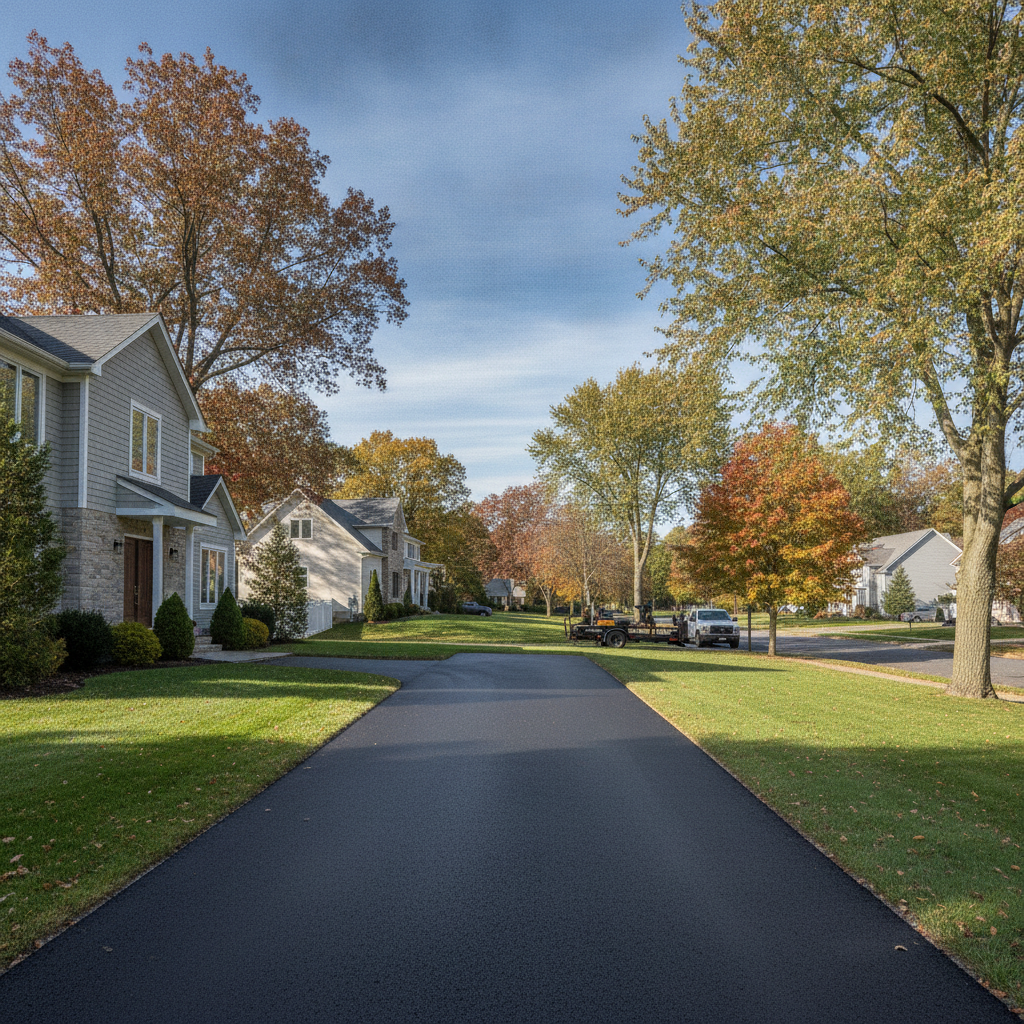
A driveway is the first thing visitors see and the last thing most homeowners think about until it cracks, sinks, or floods after a storm. In northern New Jersey, where winters bring hard freezes and springs bring heavy rain, a poorly built driveway can fall apart in just a few seasons. A well-built one can quietly serve a family for twenty years or more. The difference almost always comes down to planning, preparation, and the quality of the crew doing the work.
This guide walks through the full process of paving a residential driveway from start to finish. You will learn how to size up your current surface, what the base layer really does, how thickness and drainage affect lifespan, and what questions to ask before signing a contract. Whether you are replacing a crumbling old driveway or paving a new one for the first time, working with an experienced Asphalt Paving Contractor Mahwah NJ residents recommend can save you thousands of dollars in avoidable repairs. We will also cover timing, curing, cost drivers, and the maintenance habits that keep fresh blacktop looking sharp. Treat this as a practical roadmap you can follow, whether you plan to hire out the entire job or simply want to understand what a fair, honest proposal should include before you commit.
Why Asphalt Remains a Smart Driveway Choice
Asphalt has been the go-to driveway material for decades, and for good reason. It installs quickly, flexes slightly with ground movement, and costs noticeably less up front than concrete or pavers. In a climate with repeated freeze and thaw cycles, that flexibility matters. Rigid surfaces tend to crack when the soil beneath them heaves, while a properly compacted asphalt mat can absorb a surprising amount of movement before showing wear.
Another advantage is repairability. A damaged section of blacktop can be cut out, patched, and blended without replacing the whole driveway. Dark pavement also melts snow and ice faster than lighter surfaces because it absorbs more heat from the sun. The tradeoff is that asphalt needs periodic protection, which we will cover later. For a team like All Around Asphalt, matching the right mix and installation method to each property is what separates a driveway that lasts from one that disappoints.
Reading the Signs Your Old Driveway Is Finished
Not every worn driveway needs full replacement, and a good contractor will tell you honestly when a repair is enough. Learning to read the warning signs helps you decide whether to patch, overlay, or start fresh. Isolated hairline cracks and light surface fading are usually cosmetic. Widespread alligator cracking, where the surface looks like reptile skin, signals that the base has failed beneath it.
Other red flags include standing puddles that linger after rain, sunken areas near the garage or street apron, and crumbling edges where the pavement meets the lawn. Potholes that keep returning after patching are another strong hint that moisture is getting underneath the surface. When damage covers more than roughly a third of the driveway, replacement often costs less over time than repeated patch jobs. Walk the full length of the driveway slowly, photograph problem areas, and bring those pictures to estimate appointments so every bidder sees the same issues.
Choosing a Paving Partner You Can Trust
The contractor you hire matters more than the material you choose. A skilled crew can make an average mix perform well, while a careless one can ruin the best mix available. Start by asking for proof of insurance and licensing, then request addresses of recent driveways you can drive past and inspect in person. Photos online can be misleading, but a three-year-old driveway tells the truth.
Pay attention to how bidders talk about the base and drainage, not just the top layer. Anyone can promise a smooth black surface, but only a careful professional explains excavation depth, stone compaction, and slope. Hiring an Asphalt Paving Contractor Mahwah NJ property owners already know by reputation tends to reduce risk, because local crews understand regional soil conditions and frost depth. Get at least three written estimates, compare scope line by line, and be wary of anyone pressuring you to sign on the spot or pay the full amount in advance.
The Hidden Foundation: Excavation and Base Layers
What you cannot see after paving is often what determines how long the driveway lasts. Before any blacktop goes down, the crew should remove the old surface or loose soil, grade the subgrade, and install a compacted layer of crushed stone. This aggregate base spreads vehicle weight evenly and lets water drain away instead of pooling beneath the pavement.
A typical residential driveway benefits from several inches of compacted stone, with more depth in areas that hold soft or clay-heavy soil. Skipping or thinning this layer is the most common shortcut in the industry, and it is the reason many driveways fail within five years. Ask your contractor how deep they plan to excavate, what stone they use, and what equipment compacts it. Roller compaction in lifts, rather than a single pass, produces a firmer, more uniform base that resists rutting under heavy trucks and delivery vehicles.
Thickness, Mix Design, and Drainage Planning
Once the base is ready, the asphalt itself is laid in one or two layers depending on the job. Most residential driveways receive a total compacted thickness of around two to three inches, though heavier use may justify more. A binder layer provides strength, while a finer surface layer gives the smooth, tight finish homeowners expect. Hot mix must be delivered and spread while still at proper temperature, or it will not bond and compact correctly.
Drainage deserves equal attention. A driveway should slope gently away from the house and garage, generally about a quarter inch per foot, so rainwater never collects near the foundation. For properties with long runs or low spots, a trench drain or regraded swale may be worth adding. If you also manage a storefront or small office lot, reading about Commercial Asphalt Paving Solutions for Mahwah, NJ Properties shows how these same principles scale up to larger surfaces.
Understanding What Drives Paving Costs
Driveway prices vary widely, and a lower number is not always a better deal. Several factors move the final total. Size is the obvious one, but site conditions matter just as much. Steep slopes, tight access for equipment, tree roots, and old pavement that must be hauled away all add labor and disposal costs. The amount of base stone required also changes the price significantly.
Material costs fluctuate with oil and aggregate markets, so a quote from last year may not reflect today’s reality. Ask each bidder to itemize excavation, stone, asphalt, grading, and cleanup so you can compare fairly. Be cautious of estimates that seem far below the others, because they often cut corners on base depth or thickness. Before deciding who to hire, it helps to read about Choosing the Best Asphalt Repair Company in Mahwah, NJ, since many of the same vetting questions apply to new paving projects.
A Quick Comparison of Common Driveway Options
Asphalt is not the only choice, so it helps to see how it stacks up against alternatives. The table below offers a general, rule-of-thumb comparison. Exact performance depends on installation quality and site conditions.
| Material | Upfront Cost | Cold Climate Fit | Repair Ease |
|---|---|---|---|
| Asphalt | Moderate | Flexes with freeze and thaw | Easy to patch |
| Concrete | Higher | Can crack from heaving | Harder to blend |
| Pavers | Highest | Good if base is sound | Replace individual units |
| Gravel | Lowest | Shifts and washes out | Regrade often |
Timing Your Project Around the Seasons
Asphalt is a weather-sensitive material, so when you pave matters. Hot mix cools quickly, and in cold air it can stiffen before the crew finishes compacting it. That is why most paving happens from late spring through early fall, when temperatures stay reliably warm and the ground is dry and workable.
Booking early is smart, because good crews fill their calendars fast once the season opens. If you can, schedule during a stretch with a clear forecast, since rain on a freshly graded base can turn it soft and force delays. Late-season paving is sometimes possible, but cooler weather makes proper compaction harder. Ask your contractor how they handle temperature cutoffs and rescheduling. A reputable crew will postpone rather than risk a weak installation just to stay on schedule.
Curing, Cleanup, and Your First Few Weeks
A new driveway looks finished the moment the roller leaves, but the surface is still soft and vulnerable. Plan to keep cars off it for at least a couple of days, longer in hot weather. Even after you drive on it again, avoid sharp turns with the wheel while stationary, because that twisting motion can scuff and tear fresh pavement.
Do not park heavy vehicles or set kickstands, ladders, or furniture legs on the surface during the first few weeks. Edges are especially delicate, so keep tires off the very border until it hardens. Expect some minor surface marks and a slightly oily look early on, which fade as the mix cures. Before the crew leaves, walk the property with them, confirm drainage runs the right way, and make sure lawn edges are backfilled and debris removed.
Protecting Your Investment Over the Long Run
Even the best driveway benefits from simple upkeep. Keep it clean by sweeping off leaves and debris, which trap moisture and stain the surface. Fill small cracks promptly so water cannot reach the base. Direct downspouts and sprinklers away from the pavement edge to prevent undermining.
A protective sealer applied about six to twelve months after installation, then every few years, shields the surface from sunlight, salt, and oil. Many homeowners find that a combined approach to driveway sealcoating and repair Mahwah crews offer keeps small flaws from turning into expensive failures. Avoid harsh deicing chemicals when possible, and use sand or plastic shovels instead of metal blades that gouge the surface. Consistent, modest care routinely adds years to a driveway’s usable life.
Questions to Ask Before You Sign
Walking into estimate meetings with a short list of questions makes you a more confident buyer. Ask how deep the excavation will go, what thickness of asphalt will be installed, and whether it is placed in one layer or two. Request the warranty in writing and find out exactly what it covers and for how long.
- Who will be on site, and are they employees or subcontractors?
- How will drainage and slope be handled around the house?
- What is the payment schedule, and is a deposit required?
- How are weather delays communicated and rescheduled?
- What cleanup and old-material removal is included?
Clear, confident answers signal a professional operation. Vague or defensive responses are worth noting. A written contract that spells out scope, materials, timeline, and price protects both sides and prevents misunderstandings once work begins.
Final Thoughts
A great asphalt driveway is the product of a series of good decisions, none of which are especially complicated. Start by honestly assessing the surface you have, then choose a contractor who talks about base preparation and drainage as readily as they talk about price. Insist on proper excavation, compacted stone, adequate thickness, and a slope that sends water away from your home. Compare itemized written estimates, schedule the work during the right season, and give the new surface time to cure before you put it to heavy use.
Afterward, a little routine care goes a long way. Sweep debris, seal cracks early, protect the edges, and apply sealer on a sensible schedule. These small habits cost far less than a premature replacement and keep your property looking sharp year after year. Whether you manage a single family home or a small business entrance, the same principles apply: quality starts below the surface. Take your time, ask direct questions, and choose the crew whose work and communication give you real confidence. Do that, and your new driveway should reward you with decades of smooth, dependable service through every season the region throws at it.