
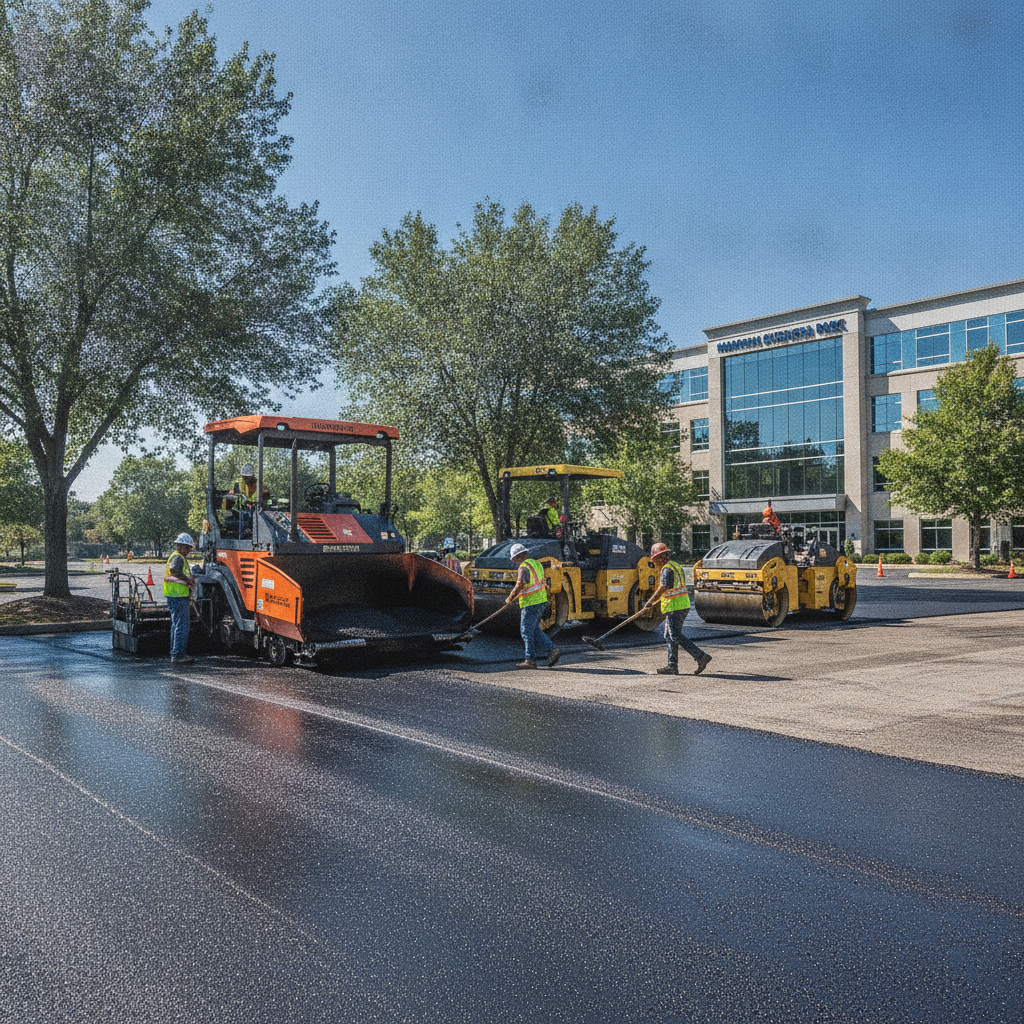
Your parking lot is the first thing customers, tenants, and delivery drivers experience when they arrive at your property. Before anyone steps through your front door, they have already formed an opinion based on whether the surface is smooth, clearly marked, and safe to cross. A cracked, puddled, or faded lot quietly tells visitors that nobody is paying attention, and that impression can follow your brand longer than you think. Choosing the right asphalt paving company Mahwah NJ business owners can depend on is one of the most practical investments you can make in your property.
Parking lots are also some of the hardest working surfaces on any commercial site. They absorb heavy vehicle loads, delivery trucks, snowplows, road salt, rainwater, and constant freeze and thaw cycles. A lot that is poorly planned or cheaply built will show its age quickly, and the repair bills tend to pile up faster than the original savings. A well-designed lot, on the other hand, performs quietly for decades.
This guide walks through the full process of parking lot paving, from early planning and drainage to layout, scheduling, and long-term care. Whether you manage a small retail strip, a medical office, a warehouse, or a multi-tenant development, you will find practical advice for making smart decisions, asking better questions, and getting a lot that works as hard as your business does.
Why Parking Lots Deserve Real Planning
Many property owners treat paving as a simple matter of laying down black material and painting lines. In reality, a parking lot is an engineered surface, and the decisions made before the first truck arrives determine how it behaves for years. Traffic volume, vehicle weight, soil conditions, drainage patterns, and accessibility requirements all shape what the finished lot should look like.
A thoughtful plan starts with how the space will actually be used. A dental office with light passenger traffic needs a very different structure than a distribution center with daily tractor trailer deliveries. When you work with an experienced provider of Mahwah NJ asphalt paving services, you get help matching the pavement design to the real demands of your site rather than guessing and hoping for the best.
Skipping this planning stage is where most expensive mistakes begin. Lots that are built too thin or without proper grading often fail early, forcing owners to pay twice for the same square footage.
Understanding the Layers Beneath the Surface
What you see on top of a parking lot is only a fraction of the story. Beneath the visible surface sits a carefully built structure, and each layer has a job. The native soil is first evaluated and compacted so it can carry weight without shifting. On top of that goes a stone base, which spreads loads evenly and allows water to move away from the pavement instead of pooling underneath it.
The asphalt itself is then installed in one or more lifts, depending on the expected traffic. Heavier use areas such as truck lanes, loading docks, and entrances typically call for a thicker build than standard parking stalls. Compaction matters enormously here, because loosely compacted asphalt develops ruts and surface cracks much sooner than properly rolled material.
When a contractor offers a price that seems far lower than everyone else, the missing money usually comes out of the layers you cannot see. Ask exactly how deep the base will be, how thick the asphalt will be, and how compaction will be verified before you sign anything.
Drainage Is the Hidden Make-or-Break Factor
Water is the single biggest enemy of any paved surface. When rain or melting snow lingers on a lot, it seeps into small cracks, softens the base, and expands as it freezes. Over a few winters, that cycle can turn a hairline crack into a pothole large enough to damage a vehicle. Getting the slope right during paving is therefore far more important than most owners realize.
A properly graded lot directs water toward catch basins, swales, or the edges of the property, where it can drain safely. Even a slight low spot can become a permanent puddle that stains the surface, grows algae, and turns icy in cold weather. That creates a slip hazard and a liability concern for anyone responsible for the property.
If your current lot holds water after a storm, mention it during your estimate. A good contractor will walk the site after rainfall or study the grade carefully, then recommend corrections such as regrading, adding drains, or reshaping problem areas before new asphalt goes down.
Choosing Between Repaving, Overlay, and Full Reconstruction
Not every aging lot needs to be torn out completely. The right approach depends on how deep the damage goes. If the base is still solid and problems are limited to surface wear, an overlay can restore smoothness and appearance at a lower cost. If the base has failed, however, laying fresh asphalt on top is like painting over a rotten board.
A reputable Asphalt Paving Company Mahwah NJ property owners trust will evaluate cracking patterns, soft spots, and drainage before recommending a solution. Alligator style cracking, for example, usually signals base failure and points toward reconstruction rather than a cosmetic fix.
The table below offers a quick way to compare the three main approaches and decide which conversation to have with your contractor.
| Approach | Best For | Typical Trade-Off |
|---|---|---|
| Overlay | Sound base with surface wear | Lower cost, shorter lifespan if base is weak |
| Mill and Repave | Worn surface, heights that must stay level | Moderate cost, corrects surface problems cleanly |
| Full Reconstruction | Failed base or major drainage issues | Highest upfront cost, longest service life |
Layout, Striping, and Traffic Flow
A great parking lot is not just smooth, it is easy to use. The way stalls, aisles, entrances, and walkways are arranged affects how quickly cars move, how safe pedestrians feel, and how many vehicles you can fit on the same footprint. Even a small adjustment to stall angle or aisle width can improve circulation noticeably.
Striping is the finishing step that turns raw pavement into a functional space. Clear lines, directional arrows, crosswalks, fire lanes, and accessible parking spaces all help people understand how to move through the site. Faded markings cause confusion, minor fender benders, and the kind of frustration that reflects poorly on your business.
Accessibility is worth special attention. Accessible stalls need proper dimensions, signage, and a smooth route to the entrance. Because requirements can vary, it is wise to confirm current standards with your contractor and local officials rather than assuming an old layout is still adequate.
Scheduling Work Around a Busy Business
One of the biggest concerns commercial owners raise is disruption. Closing a lot, even partially, can affect sales, deliveries, and employee access. The good news is that experienced crews know how to phase projects so your operation keeps moving. Work can often be divided into sections, with one half of the lot paved while the other remains open for customers.
Timing matters too. Many businesses prefer early morning, evening, or weekend work to limit interruptions. Weather also plays a role, since asphalt needs suitable temperatures to compact correctly, which means schedules can shift if conditions are not right.
Communication is the key to a smooth project. Ask for a clear timeline, a plan for temporary parking or signage, and a notice period for tenants or staff. Teams like All Around Asphalt understand that a paving project should solve problems, not create new ones, so planning around your daily routine is part of doing the job well.
Cost Factors Every Owner Should Understand
Pricing for a parking lot project varies widely, and the cheapest bid is rarely the best value. Several factors drive the final number, and understanding them helps you compare proposals fairly. Lot size is the obvious one, but the condition of the existing surface, the amount of base repair needed, and the thickness of the new asphalt all matter.
- Total square footage and how easily equipment can access the site
- Whether the old pavement must be removed or can be milled
- Drainage corrections, new catch basins, or regrading
- Asphalt thickness and the number of lifts specified
- Striping, signage, wheel stops, and accessibility upgrades
When reviewing quotes, make sure every bid describes the same scope. One estimate may include base repair and new striping while another quietly leaves them out, making it look cheaper than it truly is.
How to Vet a Paving Contractor Before You Hire
Hiring the wrong crew can cost far more than the project itself. Start by asking for proof of insurance and any licensing the work requires, then request references from similar commercial projects. A contractor who has paved lots comparable to yours will already understand the challenges you are likely to face.
Look closely at the written proposal. It should describe materials, thickness, preparation steps, and warranty terms in plain language. Vague paperwork often leads to disputes later. Be cautious of anyone who pressures you to decide immediately, demands a large cash deposit, or cannot explain how they will handle drainage.
It also helps to read about warning signs before problems get expensive. Understanding the Signs You Need Asphalt Repair in Mahwah, NJ Right Away can help you judge whether your lot needs a quick fix or a larger conversation with a professional.
What Happens on Paving Day
Knowing what to expect on installation day makes the process far less stressful. The crew typically begins by marking the work area, protecting nearby features, and removing or milling the old surface if needed. Any weak spots in the base are repaired, and the grade is checked to confirm water will drain properly.
Next, hot asphalt arrives from the plant and is spread with a paver in even layers. Rollers follow immediately, compacting the material while it is still warm enough to bond tightly. Joints and edges receive extra attention, since these are the most common starting points for early cracking.
Once the surface cools and cures enough to carry traffic, striping and signage are completed. Fresh asphalt is softer in the first days, so you may be asked to keep heavy vehicles and sharp turning movements off it briefly. Following those instructions carefully protects your investment from day one.
Protecting Your Investment After Installation
A new lot is a significant expense, and a little ongoing care goes a long way toward stretching its life. Sealing cracks early keeps water out of the base, while periodic sealcoating shields the surface from sun, salt, and oil. Clean pavement also lasts longer, so sweeping debris and addressing fuel or oil leaks promptly makes a real difference.
Schedule a walkthrough at least once a year, ideally after winter, when damage tends to be easiest to spot. Look for new cracks, depressions, loose edges, and fading stripes. Fixing a small problem immediately is almost always cheaper than waiting until it spreads.
Residential owners face similar choices on a smaller scale, and reading about Residential Asphalt Repair Services for Mahwah, NJ Homeowners shows how the same maintenance principles apply to driveways. A proactive habit, rather than a reactive one, is what separates pavement that lasts from pavement that constantly needs rescue.
Common Mistakes That Shorten Pavement Life
Most premature failures trace back to a handful of avoidable errors. The first is ignoring drainage, which allows water to quietly destroy the base. The second is choosing a contractor on price alone, which often leads to thin asphalt and weak preparation. Both mistakes look harmless at signing and painful two winters later.
Another frequent problem is delaying minor repairs. A narrow crack seems unimportant until moisture and freezing temperatures widen it, and the surrounding pavement begins to break apart. Heavy vehicles parked in the same spot for long periods can also create depressions, especially on lots designed for lighter loads.
Finally, some owners skip the warranty review. Understand what is covered, for how long, and what maintenance the warranty expects from you. Knowing the terms upfront prevents surprises and gives you a clear path if something goes wrong.
Making Paving Work for Your Business
A parking lot should work quietly in the background, welcoming visitors and carrying traffic without drawing attention to itself. When it is properly planned, drained, built, and maintained, it protects your vehicles, your customers, and your reputation. When it is neglected, it becomes a recurring expense and a source of complaints.
The most important step is simply starting the conversation with a qualified professional. A site visit, an honest assessment, and a clear written proposal give you everything you need to decide confidently. Take your time comparing scope, not just price, and choose a team that explains its process openly.
Local experience also counts. Crews who work in this region understand how seasonal weather, road salt, and freeze and thaw cycles stress pavement, and they build accordingly. That familiarity translates into smarter material choices and better long-term performance for your property.
Your Next Steps
Paving a parking lot is more than a surface upgrade. It is a decision that affects safety, first impressions, operating costs, and the long-term value of your property. The strongest projects share a few traits: careful planning, a properly built base, thoughtful drainage, a clear layout, and a contractor who communicates openly from the first estimate to the final line of paint.
If your lot is showing its age, start by walking the property with a critical eye. Note the cracks, the puddles, the faded markings, and the areas where cars struggle to maneuver. Then gather a few detailed proposals, compare them on scope rather than price alone, and ask plenty of questions about materials, thickness, scheduling, and warranty coverage.
Remember that maintenance is part of the plan, not an afterthought. Regular inspections, quick crack sealing, and timely sealcoating keep a new lot performing for years and protect the money you invested. A small amount of attention each season prevents the large, disruptive repairs that catch owners off guard.
Whether you are building a brand new lot, replacing a worn one, or simply trying to decide what comes next, working with a dependable local team makes the entire process easier. Choose a partner who treats your property like their own, and you will end up with a surface that looks sharp, drains well, and keeps your business running smoothly for a long time to come.