
A well-maintained asphalt surface is more than just a smooth place to park or drive, it’s a smart investment for business owners, developers, and anyone who values curb appeal and safety. If you’ve ever wondered why some parking lots and driveways seem to last for years without major repairs, the answer often lies in proactive care. Asphalt Sealcoating Mahwah NJ is a proven strategy to extend the life of pavement, prevent costly damage, and keep properties looking sharp. In this guide, we’ll explore how sealcoating works, the science behind its protective benefits, and why it’s a wise choice for anyone looking to get the most out of their pavement. Whether you manage a busy retail center, own a small business, or simply want to protect your investment, understanding the ins and outs of sealcoating can help you make informed decisions for your property. Let’s dive into the practical steps, local considerations, and long-term advantages of sealcoating in this community.
Why Sealcoating Matters for Pavement Longevity
Sealcoating is more than just a cosmetic upgrade, it’s a crucial step in preserving the integrity of your asphalt. Over time, exposure to sunlight, rain, and vehicle traffic causes asphalt to oxidize and become brittle. This leads to cracks, potholes, and surface deterioration. By applying a protective sealant, you create a barrier that shields the pavement from these elements. This not only slows down the aging process but also makes the surface more resistant to oil spills, water penetration, and freeze-thaw cycles. For property owners who want to avoid frequent repairs, sealcoating offers a cost-effective way to extend the life of their investment. For more information about local experts, check out All Around Asphalt.
Understanding the Sealcoating Process
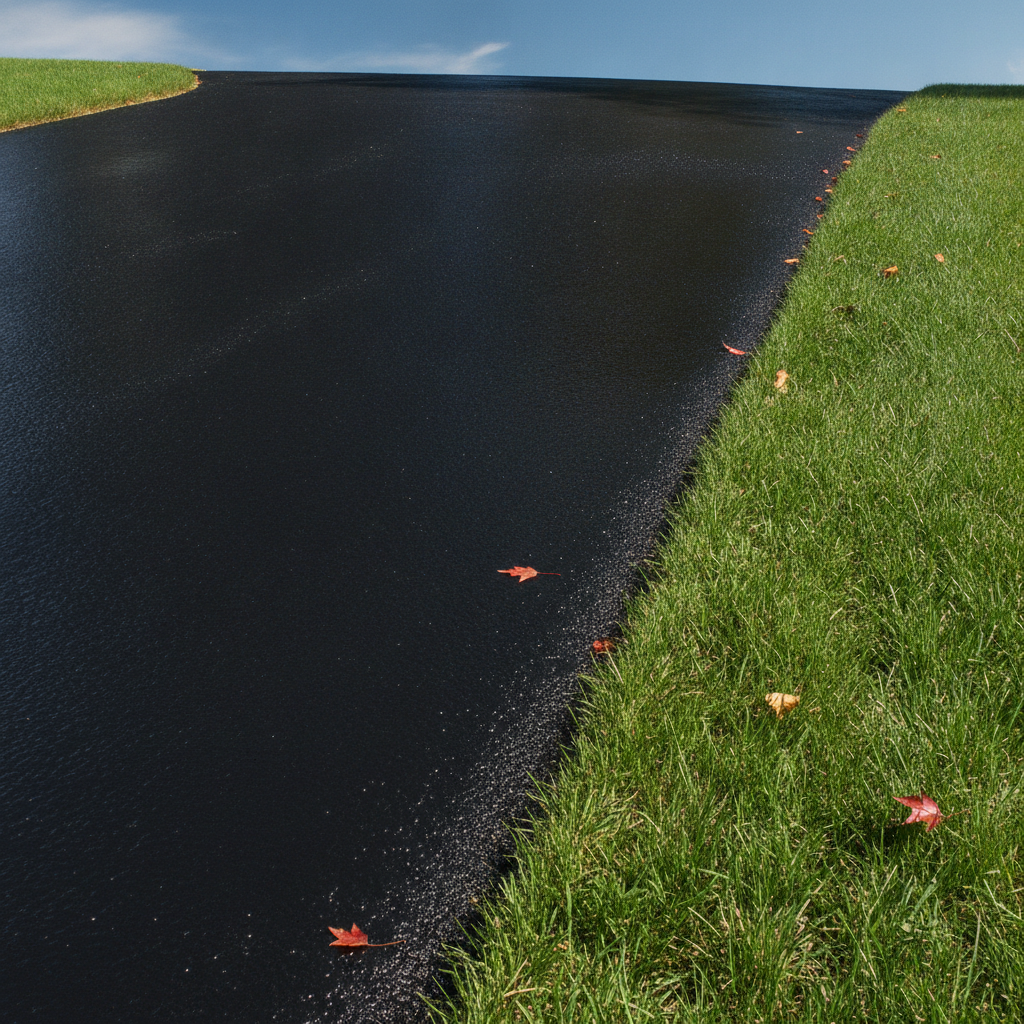
The process of sealcoating involves several important steps to ensure the best results. First, the surface must be thoroughly cleaned to remove dirt, debris, and oil stains. Any existing cracks or potholes should be repaired before the sealant is applied. Next, a high-quality sealcoat mixture is evenly spread across the surface, typically using specialized equipment for uniform coverage. The sealant needs time to cure, which usually takes 24 to 48 hours depending on weather conditions. This process not only restores the rich, dark appearance of fresh asphalt but also provides a durable layer of protection. If you’re interested in learning more about the companies that offer this service, visit our site for details.
Key Benefits of Regular Asphalt Maintenance
Routine maintenance, including sealcoating, delivers a range of benefits for property owners. First and foremost, it helps prevent small cracks from turning into major problems. By sealing the surface, you block out moisture that can seep into the base and cause structural issues. Regular maintenance also enhances safety by providing a smoother, more even surface for vehicles and pedestrians. Additionally, a well-maintained parking lot or driveway boosts curb appeal, which can positively impact customer impressions and property values. For those seeking a trusted partner in the area, consider reaching out to an Asphalt Paving Contractor in Mahwah, NJ for professional guidance.
Sealcoating Solutions for Commercial Properties
Commercial properties face unique challenges due to higher traffic volumes and larger surface areas. Sealcoating is especially important for businesses that want to minimize downtime and avoid disruptions caused by major repairs. A fresh sealcoat not only protects the pavement but also allows for easier line striping and improved visibility for customers. For property managers, scheduling regular sealcoating can be a key part of a proactive maintenance plan. To explore tailored solutions for your business, check out Commercial Asphalt Paving Solutions for Mahwah, NJ Properties.
When Is the Best Time to Sealcoat?
Timing is crucial for effective sealcoating. The ideal conditions are warm, dry weather with minimal chance of rain. Most experts recommend sealcoating every two to three years, but the exact schedule depends on traffic levels and environmental factors. Spring and early summer are often the best times, as the temperatures allow for proper curing. It’s important to avoid sealcoating during extreme heat or cold, as this can affect the quality of the finish. For more tips on choosing the right timing for your project, see When to Sealcoat Your Asphalt in Mahwah NJ.
Common Myths About Sealcoating
There are several misconceptions about sealcoating that can lead property owners astray. One common myth is that sealcoating can fix all types of pavement damage. In reality, it is a preventative measure, not a cure for deep cracks or structural issues. Another misconception is that sealcoating needs to be done every year. Over-applying sealant can actually harm the pavement, so it’s best to follow a professional’s recommendation based on the condition of your surface. Finally, some believe that all sealcoating products are the same, but quality can vary widely. Choosing a reputable contractor and high-grade materials makes a significant difference in results.
How Weather Affects Pavement and Sealcoating
Weather plays a major role in both the deterioration of asphalt and the success of sealcoating. Harsh winters with repeated freeze-thaw cycles can cause cracks to expand, while hot summers accelerate oxidation. Sealcoating acts as a protective shield against these elements, helping pavement withstand the local climate. However, applying sealcoat in the wrong conditions can lead to poor adhesion and reduced effectiveness. Monitoring the forecast and planning your project during optimal weather windows ensures the best possible outcome for your investment.
Environmental Impact of Sealcoating
Modern sealcoating products are designed with environmental safety in mind. Many contractors now use eco-friendly, water-based sealants that minimize the release of volatile organic compounds (VOCs). By extending the life of existing pavement, sealcoating also reduces the need for new materials and the environmental footprint associated with major repairs or replacements. Proper application and disposal practices further ensure that the process is safe for the surrounding community and ecosystem. Choosing a contractor who prioritizes sustainability can make a positive difference for both your property and the environment.
Comparing Sealcoating with Other Pavement Treatments
Sealcoating is just one of several options for maintaining asphalt surfaces. Other treatments include crack filling, patching, and resurfacing. Each method serves a different purpose. Crack filling targets specific problem areas, while patching addresses localized damage. Resurfacing involves adding a new layer of asphalt, which is more costly and disruptive. Sealcoating, by contrast, is a preventative measure that protects the entire surface and delays the need for more intensive repairs. Understanding the differences can help you choose the right approach for your property’s needs.
Cost Factors and Budgeting for Sealcoating Projects
Budgeting for sealcoating involves several considerations. The size of the area, current pavement condition, and accessibility all influence the final price. While sealcoating is generally more affordable than major repairs, costs can add up for larger commercial lots. It’s wise to get multiple estimates and ask about the quality of materials used. Investing in regular sealcoating can save money over time by preventing expensive damage and extending the lifespan of your pavement. Planning ahead and working with experienced professionals ensures you get the best value for your maintenance budget.
| Maintenance Method | Purpose | Typical Frequency | Relative Cost |
|---|---|---|---|
| Sealcoating | Protects surface, prevents oxidation | Every 2-3 years | Low to Moderate |
| Crack Filling | Seals individual cracks | As needed | Low |
| Patching | Repairs potholes, localized damage | As needed | Moderate |
| Resurfacing | Adds new asphalt layer | Every 10-15 years | High |
Choosing the Right Contractor for Your Project
Selecting a reliable contractor is essential for a successful sealcoating project. Look for companies with strong local reputations, proper licensing, and a track record of quality work. Ask about the materials they use, their application methods, and whether they offer warranties on their services. It’s also helpful to request references or view examples of previous projects. A trustworthy contractor will provide clear communication, detailed estimates, and guidance tailored to your property’s specific needs. Taking the time to choose the right partner ensures your pavement is protected for years to come.
Final Thoughts
Investing in asphalt sealcoating is one of the smartest ways to maximize the lifespan and appearance of your pavement. By understanding the process, timing, and benefits, property owners in this region can make informed decisions that pay off for years. Whether you manage a busy commercial lot or a quiet residential driveway, proactive maintenance helps avoid headaches, reduces long-term costs, and keeps your property looking its best. Remember, working with experienced professionals and following a regular maintenance schedule are key to getting the most value from your investment. With the right approach, your pavement will stand up to the elements and serve your needs for many seasons to come.