
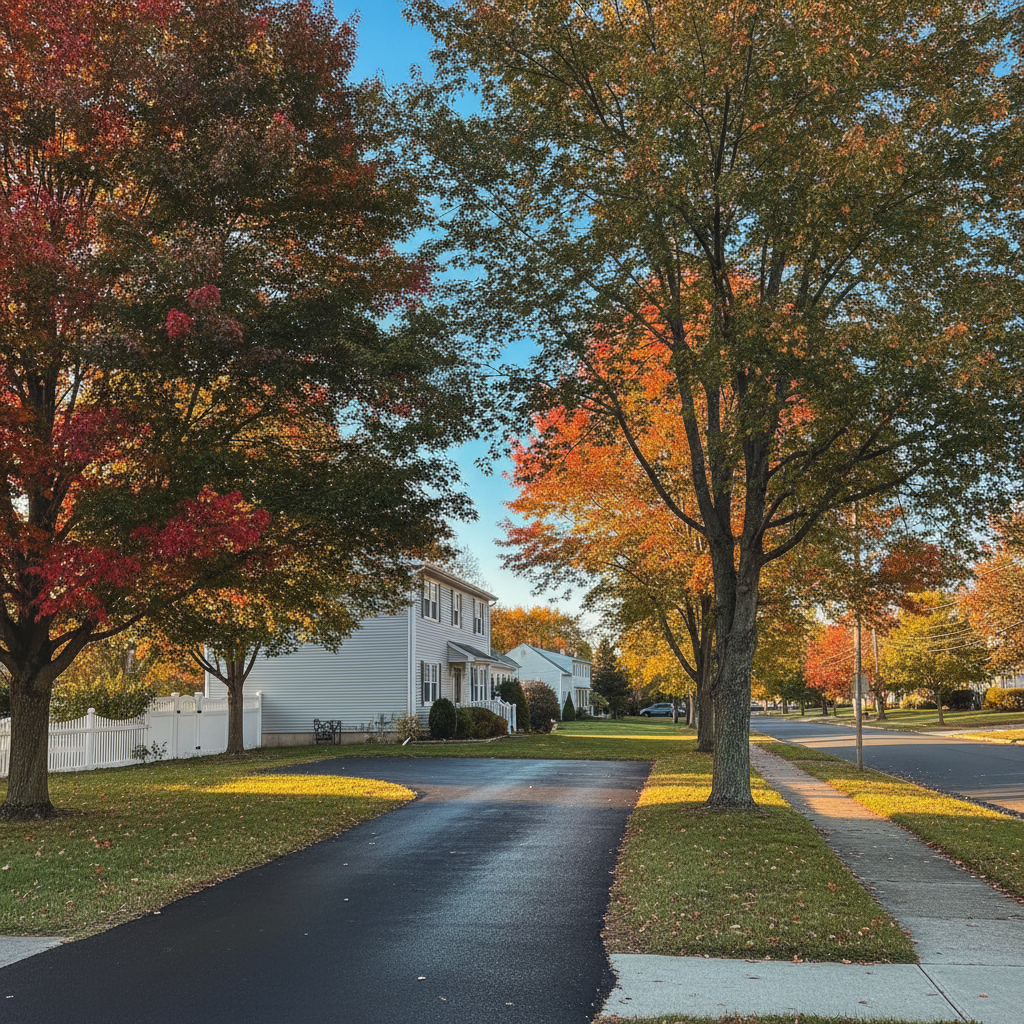
Asphalt surfaces are a vital part of any business or property, providing both functionality and curb appeal. For those considering Asphalt Sealcoating Mahwah NJ services, understanding the right timing for sealcoating is essential to prolong the life of your pavement and maximize your investment. Whether you own a small business, manage a commercial property, or simply want to keep your driveway looking sharp, knowing when to sealcoat can make all the difference. This article explores the key factors that influence sealcoating schedules, how local weather and usage affect your asphalt, and practical tips for planning your next maintenance project. By the end, you’ll have a clear roadmap for keeping your asphalt in top condition for years to come.
Understanding the Purpose of Asphalt Sealcoating
Sealcoating is more than just a cosmetic upgrade, it’s a protective barrier that shields your asphalt from the damaging effects of sunlight, water, oil, and chemicals. Over time, exposure to these elements causes asphalt to oxidize and become brittle, leading to cracks and potholes. By applying a quality sealcoat, you’re effectively locking out moisture and slowing down the natural aging process. This preservation step is especially important for high-traffic areas where wear and tear occur more rapidly. For property owners seeking reliable asphalt care, sealcoating is a cost-effective way to extend pavement life and maintain a professional appearance without frequent repairs.
How Local Climate Influences Sealcoating Schedules
The region’s climate plays a significant role in determining when you should sealcoat your asphalt. In areas with cold winters and hot summers, freeze-thaw cycles can cause rapid deterioration. Sealcoating acts as a barrier against moisture infiltration, which is especially important before winter sets in. Conversely, the intense summer sun can accelerate oxidation, making spring and early fall ideal times for application. For those considering Asphalt Sealcoating Mahwah NJ, timing your project around the local weather ensures optimal curing and long-lasting protection. Monitoring seasonal shifts and scheduling accordingly helps you avoid premature wear and costly repairs down the road.
Recognizing Signs That Your Asphalt Needs Sealcoating
Not all asphalt surfaces age at the same rate, so it’s important to recognize the warning signs that indicate your pavement is due for sealcoating. Fading color, minor surface cracks, and a rough texture are all indicators that the protective layer is wearing thin. If you notice water pooling in certain areas or small stones becoming loose, these are early signs of erosion. Consulting with an experienced Asphalt Paving Contractor in Mahwah, NJ can help you assess the condition of your pavement and determine whether it’s time for a fresh sealcoat. Regular inspections and proactive maintenance keep minor issues from turning into major repairs.
The Best Time of Year for Sealcoating Projects
Choosing the right season for sealcoating is crucial for achieving the best results. Generally, late spring through early fall offers the optimal conditions, temperatures should be consistently above 50°F, and the surface must be dry. Humidity and rainfall can impact the curing process, so it’s wise to avoid the wettest months. For businesses and property managers, planning sealcoating projects during off-peak times minimizes disruption to daily operations. By coordinating with professionals who specialize in Commercial Asphalt Paving Solutions for Mahwah Businesses, you can ensure a smooth process and a durable finish that stands up to local weather patterns.
How Traffic Volume and Usage Affect Sealcoating Frequency
The amount and type of traffic your asphalt endures directly impacts how often sealcoating is needed. High-traffic commercial lots, loading zones, and drive-thru lanes experience more wear than residential driveways. Heavy vehicles, frequent turning, and constant use can break down the sealcoat faster. For properties in this community, it’s recommended to evaluate usage patterns and adjust maintenance schedules accordingly. Reviewing the Top Benefits of Asphalt Sealcoating in Mahwah NJ can help you understand the value of regular upkeep and how it prevents costly downtime. Tailoring your sealcoating plan to your property’s unique needs ensures lasting durability.
Preparing Your Surface for a Successful Sealcoat Application
Proper preparation is the foundation of a successful sealcoating project. Before any sealant is applied, the surface must be thoroughly cleaned to remove dirt, debris, and oil stains. Any cracks or potholes should be repaired to ensure a smooth, even finish. This step not only improves adhesion but also enhances the overall appearance of your pavement. Professional contractors often use power blowers, wire brooms, and specialized cleaning agents to get the job done right. For business owners, scheduling cleaning and repairs ahead of time can help minimize downtime and ensure the sealcoat cures properly. Investing in prep work pays off with a longer-lasting, more attractive result.
Choosing the Right Sealcoating Materials and Methods
Not all sealcoating products are created equal. The type of sealant used can affect both the appearance and longevity of your asphalt surface. Coal tar and asphalt emulsion are two common options, each with their own advantages. Coal tar offers superior chemical resistance, while asphalt emulsion is more environmentally friendly. Application methods also matter, spray and squeegee techniques are both effective, but the choice depends on your pavement’s condition and the desired finish. Consulting with experienced professionals ensures you select the best materials and methods for your specific needs. A tailored approach leads to a more resilient and visually appealing surface.
Budgeting for Routine Sealcoating and Long-Term Savings
Investing in regular sealcoating may seem like an added expense, but it’s actually a smart way to save money over the long term. Routine maintenance prevents larger, more costly repairs by addressing minor issues before they escalate. When budgeting for asphalt care, consider the size of your lot, the frequency of use, and the current condition of the surface. Many property owners find that scheduling sealcoating every two to three years strikes the right balance between protection and cost. By planning ahead and working with reputable contractors, you can maximize your return on investment and avoid unexpected repair bills.
Comparing Professional vs. DIY Sealcoating Approaches
While DIY sealcoating kits are available at most hardware stores, there are significant advantages to hiring a professional. Experts bring specialized equipment, high-quality materials, and years of experience to the job. They can identify underlying issues that a DIY approach might overlook, such as sub-surface cracks or drainage problems. Additionally, professionals ensure even coverage and proper curing, which can be difficult to achieve without the right tools. While DIY may seem more affordable upfront, the risk of uneven application or premature failure often leads to higher costs in the long run. For lasting results, professional service is a wise investment.
Sealcoating Frequency Table for Different Property Types
| Property Type | Recommended Frequency | Key Considerations |
|---|---|---|
| Residential Driveway | Every 2-3 years | Light traffic, minimal heavy vehicles |
| Commercial Parking Lot | Every 1-2 years | High traffic, exposure to oil and chemicals |
| Industrial Facility | Annually | Heavy vehicles, frequent loading/unloading |
| Retail Center | Every 1-2 years | Customer traffic, visibility important |
| HOA/Community Roads | Every 2-3 years | Shared use, moderate traffic |
Maintaining Your Asphalt After Sealcoating
After your asphalt has been sealcoated, ongoing maintenance is key to preserving its appearance and performance. Avoid parking heavy vehicles on the surface for at least 24 to 48 hours to allow the sealant to cure fully. Regularly sweep away debris and address oil spills promptly to prevent staining. Inspect the pavement periodically for new cracks or signs of wear, and schedule touch-up sealcoating as needed. Simple habits like keeping the surface clean and monitoring drainage can make a big difference in longevity. By staying proactive, property owners in the area can enjoy smooth, safe, and attractive pavement year-round.
Final Thoughts
Knowing when to sealcoat your asphalt is an investment in both the appearance and durability of your property. By considering local climate, traffic patterns, and the unique needs of your surface, you can develop a maintenance plan that delivers long-term value. Whether you manage a busy commercial lot or a quiet residential driveway, timely sealcoating helps prevent costly repairs and keeps your pavement looking its best. Remember, professional guidance and routine care are the keys to making the most of your asphalt investment. With the right approach, you’ll enjoy a smooth, safe, and welcoming surface for years to come.