
When it comes to asphalt paving, you need to contemplate several factors to enhance your driveway’s durability and appearance. Start by choosing the right method for your driveway size, climate, and budget. Decide between hot and cold mix asphalt based on temperature and traffic needs. Explore sustainable options like porous asphalt for eco-friendliness. Don’t forget maintenance tips and how to choose a reliable contractor. Discover more techniques and insights to elevate your paving project.
Key Takeaways
- Select the appropriate asphalt paving method based on driveway size, local climate, and soil conditions for optimal performance.
- Choose between hot mix asphalt for durability in warm weather and cold mix for repairs in cooler conditions.
- Consider sustainable options like porous asphalt to reduce runoff and use recycled materials, promoting eco-friendliness.
- Schedule regular maintenance, including sealing and crack repairs, to extend the lifespan of your asphalt driveway.
- Work with a reliable contractor by checking experience, licenses, and communication style to ensure project success.
How to Choose the Right Asphalt Paving Method for Your Driveway
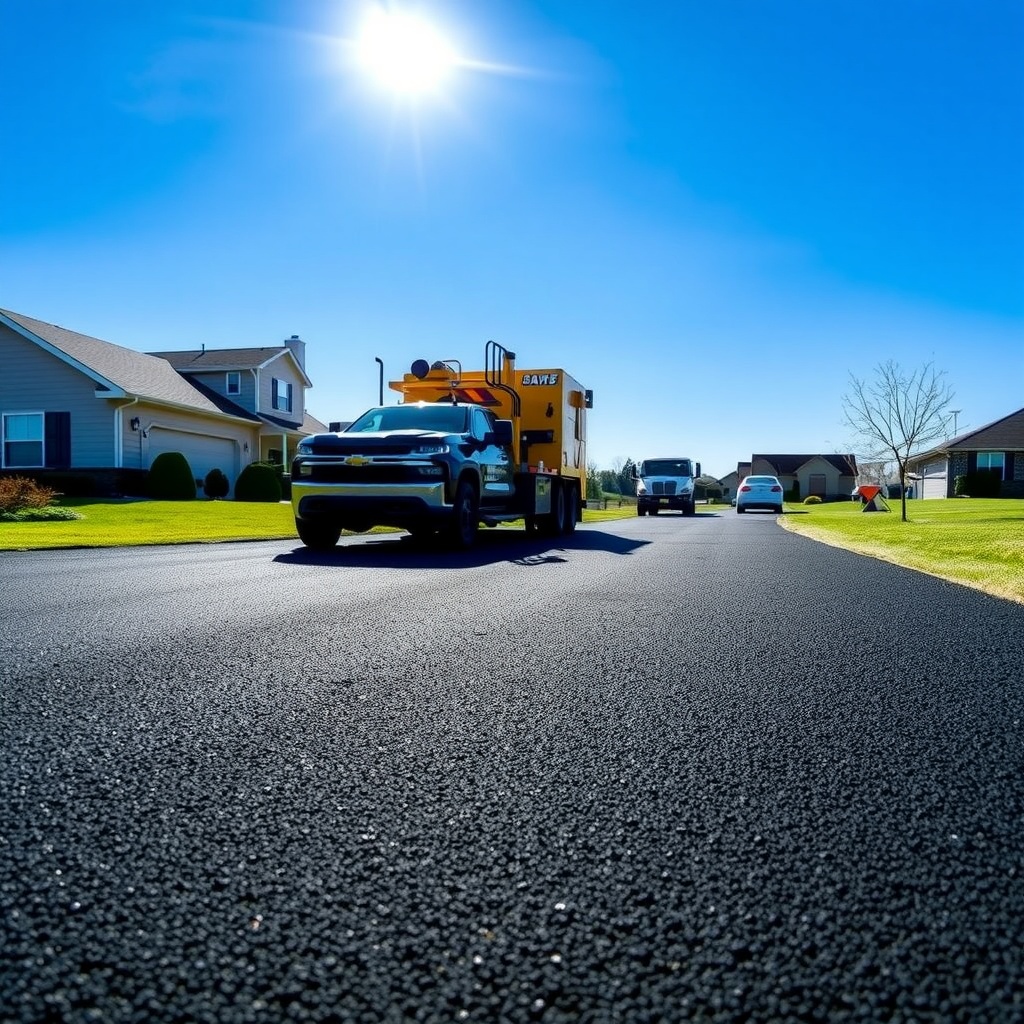
When you’re deciding on the right asphalt paving method for your driveway, what factors should you take into account? First, think about your driveway size. Larger driveways often require different techniques compared to smaller ones, as the amount of asphalt needed will vary.
Consider your driveway size when choosing an asphalt paving method, as larger spaces require different techniques and asphalt amounts.
You’ll also want to think about your local climate. If you live in an area with extreme temperatures, you’ll need a method that can withstand those conditions, ensuring durability and longevity.
Additionally, assess the base materials and existing soil conditions to determine if you need a stronger foundation. If rainfall is common in your area, proper drainage is essential to prevent water pooling and damage.
Finally, don’t forget about your budget; some methods might be more cost-effective than others. By weighing these factors carefully, you can choose the best asphalt paving method that meets your needs.
Hot vs. Cold Mix Asphalt: Which Is Right for You?
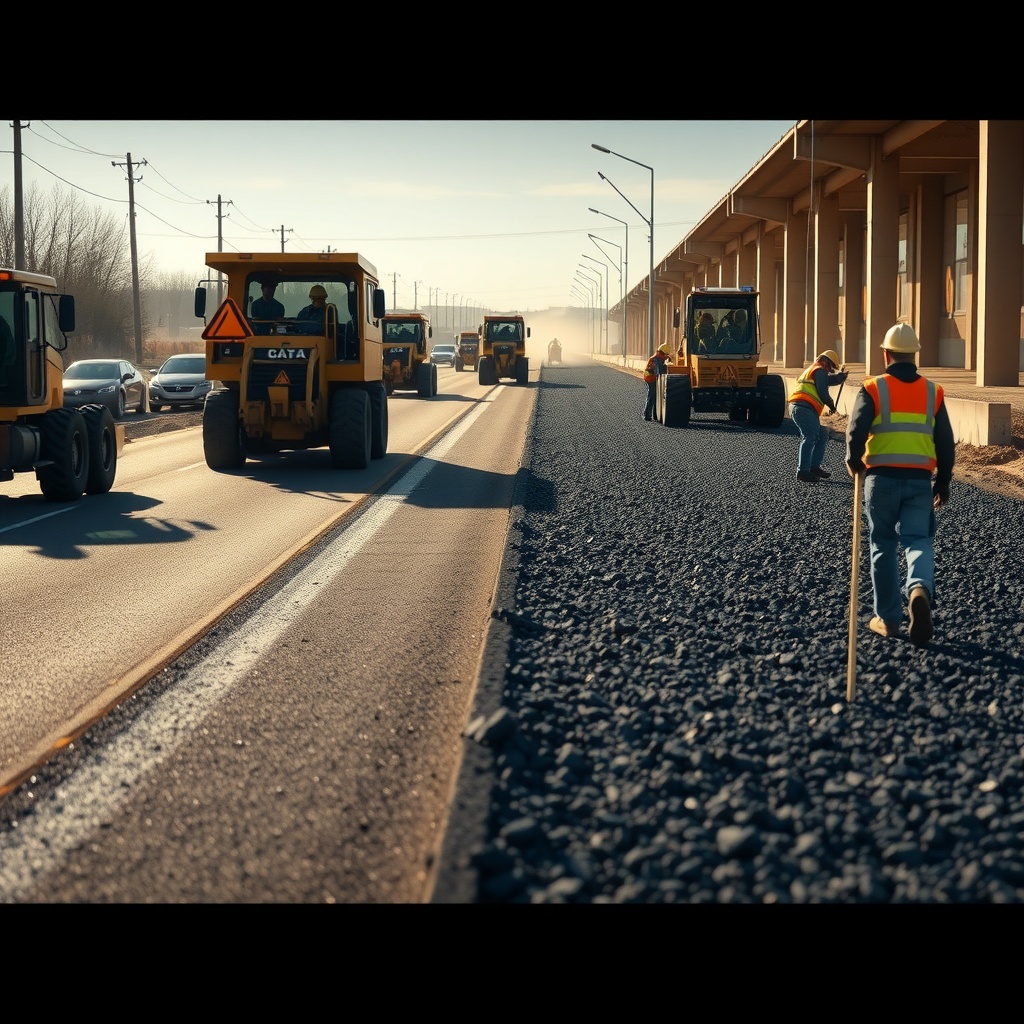
When deciding between hot and cold mix asphalt, you’ll want to evaluate the temperature and weather conditions in your area.
Each type has a different application process and cost implications, which can greatly impact your project.
Understanding these factors will help you choose the best option for your paving needs.
Temperature and Weather Impact
Although the weather can be unpredictable, choosing the right asphalt mix for your project is essential to guarantee durability and performance. Understanding temperature effects and weather considerations can help you make the best decision.
Here’s a quick comparison:
| Mix Type | Ideal Temperature | Weather Considerations |
| Hot Mix Asphalt | Above 70°F | Works best in dry conditions |
| Cold Mix Asphalt | Below 70°F | Suitable for cooler, moist days |
Hot mix asphalt provides a strong bond but needs warm weather. Cold mix is more forgiving with temperature fluctuations, making it a great alternative when the weather’s less than perfect. Choose wisely to ensure your pavement endures!
Application Process Differences
Understanding the application process is vital for choosing between hot and cold mix asphalt, as each method has distinct advantages suited to different conditions.
Hot mix asphalt is ideal for larger projects and requires proper surface preparation, guaranteeing a durable finish. Cold mix asphalt, on the other hand, is suitable for smaller repairs and can be applied in cooler temperatures without extensive preparation.
- Hot Mix Asphalt: Best for extensive paving and requires heating.
- Cold Mix Asphalt: Great for quick fixes and easy application.
- Surface Preparation: Essential for both methods to guarantee longevity and effectiveness.
Cost Considerations Explained
Cost plays an essential role in choosing between hot and cold mix asphalt for your paving project. When you’re budget planning, it’s vital to understand that hot mix is typically more expensive due to its higher quality and durability. However, it’s ideal for heavy traffic areas and long-term use.
On the other hand, cold mix asphalt is usually more affordable and easier to work with, making it suitable for smaller repairs and low-traffic zones.
Your material choice should reflect both your immediate needs and future maintenance costs. Weigh the upfront expenses against the longevity and performance of each option.
Ultimately, consider how each type aligns with your budget and your paving goals for the best results.
Exploring Sustainable Options: The Benefits of Porous Asphalt
If you’re looking for a paving option that benefits both your property and the environment, porous asphalt might be the answer.
This innovative material not only reduces environmental impact but also enhances water management, preventing runoff.
Environmental Impact Reduction
While traditional asphalt can contribute to stormwater runoff and pollution, porous asphalt offers a sustainable alternative that benefits both homeowners and the environment. By opting for porous asphalt, you’re not just paving your driveway; you’re making a choice that reduces environmental impact.
- Enhanced drainage: Allows water to seep through, minimizing runoff.
- Sustainable materials: Made from recycled asphalt, promoting eco-friendliness.
- Reduced heat island effect: Helps keep surrounding areas cooler.
Using porous asphalt can lead to a healthier ecosystem while maintaining durability.
Plus, you’ll enjoy the peace of mind that comes from knowing you’re doing your part to minimize pollution and conserve resources. It’s a smart choice for both your home and the planet.
Enhanced Water Management
When you choose porous asphalt for your driveway, you’re not just enhancing your home’s curb appeal; you’re also revolutionizing water management.
This innovative material allows water to drain through its surface, greatly improving drainage solutions. Instead of pooling or running off, rainwater seeps directly into the ground, promoting natural water retention.
Cost-Effective Solutions: When to Use Asphalt Overlay
As you explore cost-effective solutions for your driveway, consider asphalt overlay as a smart choice to rejuvenate worn surfaces. This technique provides several overlay benefits, making it a popular option for homeowners.
It’s especially effective when your existing asphalt shows signs of wear but is structurally sound.
Here are some key points to keep in mind:
- Cost-Effectiveness: Overlay is often cheaper than complete replacement, saving you money.
- Installation Timing: It can typically be completed quickly, allowing for minimal disruption to your daily routine.
- Improved Aesthetics: An overlay can restore your driveway’s appearance and increase your home’s curb appeal.
Choosing the right time for installation is essential; ideally, consider overlaying during mild weather for the best results.
Maintain Your Asphalt Driveway: Essential Tips
After rejuvenating your driveway with an asphalt overlay, maintaining it becomes key to maximizing its lifespan and appearance.
Start by scheduling regular driveway sealing every few years. This protective layer helps prevent water damage and UV degradation, keeping your driveway looking fresh.
Next, keep an eye out for cracks. Even small ones can lead to bigger problems if ignored. Use a quality crack repair product to fill them promptly, guaranteeing your driveway stays intact and functional.
Additionally, keep your driveway clean by removing debris, leaves, and oil spills regularly. These can cause stains and deterioration over time.
Lastly, avoid parking heavy vehicles on the edges and minimize sharp turns, which can stress the surface.
How to Select a Reliable Asphalt Paving Contractor
How can you find a reliable asphalt paving contractor? Start by researching local options and checking their contractor credentials. Look for licensed and insured professionals to guarantee you’re protected.
Next, ask for references and review their previous work. A good contractor should have a portfolio showcasing completed projects, helping you gauge their quality.
Request references and examine their portfolio to assess the quality of their completed projects.
Consider these factors when selecting your contractor:
- Experience: Look for a contractor with a proven track record in asphalt paving.
- Project Timeline: Discuss your expected timeline upfront to confirm they can meet your schedule.
- Communication: Choose someone who clearly communicates and addresses your concerns.
Understanding the Cost of Asphalt Paving: What to Expect?
Finding the right contractor is just the first step in your asphalt paving journey; understanding the costs involved is equally important. Several asphalt pricing factors will affect your overall budget.
First, the size of your driveway plays a significant role—larger areas require more materials and labor, increasing costs.
Next, consider the thickness of the asphalt. Thicker layers provide better durability but also raise the price.
Additionally, your location can influence costs due to local labor rates and material availability.
Don’t forget about preparation work, such as grading or removing old asphalt; these tasks can add to your expenses.
Finally, ask for detailed estimates from contractors, breaking down each component. This way, you’ll know exactly what you’re paying for and can make informed decisions.
Understanding these factors will help you budget effectively, ensuring a smooth paving experience.
Frequently Asked Questions
How Long Does Asphalt Paving Typically Last?
Asphalt typically lasts 15 to 20 years. Factors affecting asphalt lifespan include climate, usage, and maintenance. Regular sealcoating and prompt repairs can greatly extend its life, so keep up with those maintenance tips for best results.
Can I Pave Over Existing Concrete Surfaces?
Yes, you can pave over existing concrete surfaces. Asphalt overlays provide benefits like improved durability and cost-effectiveness, but verify compatibility with your concrete. Proper preparation is key for a successful, long-lasting result.
What Weather Conditions Affect Asphalt Paving?
Temperature fluctuations and high moisture levels affect asphalt paving considerably. If it’s too cold, the asphalt won’t cure properly; excessive moisture can weaken the bond. Aim for dry, warm days for the best results.
How Do I Prepare My Property for Paving?
To prepare your property for paving, guarantee proper grading techniques are applied to create a smooth surface. Implement effective drainage solutions to prevent water pooling, which can damage your asphalt over time.
Are There Warranties for Asphalt Paving Services?
Yes, many asphalt paving services offer warranty coverage and service guarantees. It’s essential to ask about the specifics before hiring, ensuring you understand what’s included and how long the coverage lasts for your project.
Final Thoughts
Choosing the right asphalt paving technique comes down to matching your driveway’s needs—size, climate, drainage, and budget—with the right materials and installation approach. Whether you choose hot mix for long-term durability, cold mix for smaller repairs, an overlay to refresh a worn surface, or a more eco-friendly option, the best results always come from solid planning and consistent maintenance.
At All Around Asphalt, we help homeowners make confident decisions and deliver driveways built to last—from Asphalt Driveway Paving and Residential Asphalt Paving to protection and upkeep with Asphalt Sealcoating, upgrades through Asphalt Resurfacing, and targeted Asphalt Repair when problem areas show up.
If you’re ready to plan your project or want a straightforward estimate from a local team that prioritizes quality, reach out here: Contact All Around Asphalt.