
If you’re looking for cost-effective asphalt paving solutions for your business, focus on evaluating quality and budget to get the best value. Consider bulk purchases and seasonal discounts to cut costs. Choosing the right asphalt type and contractor is essential, as is implementing routine maintenance to extend lifespan. Don’t forget innovative recycling techniques and community involvement to further reduce expenses. Stick around to uncover more strategies that can enhance your paving project’s efficiency and savings.
Top Cost-Saving Tips for Asphalt Paving ProjectsKey Takeaways
- Evaluate quality versus budget to find the best value in asphalt paving solutions for your business needs.
- Utilize bulk purchasing and seasonal discounts to significantly reduce material costs.
- Incorporate recycled materials and sustainable practices to enhance cost-effectiveness and environmental responsibility.
- Regular maintenance, including sealing and drainage checks, extends asphalt lifespan and minimizes long-term repair costs.
- Engage in phased implementation to spread expenses over time and reduce operational disruptions during paving projects.
Cost-Effective Asphalt Solutions for Businesses
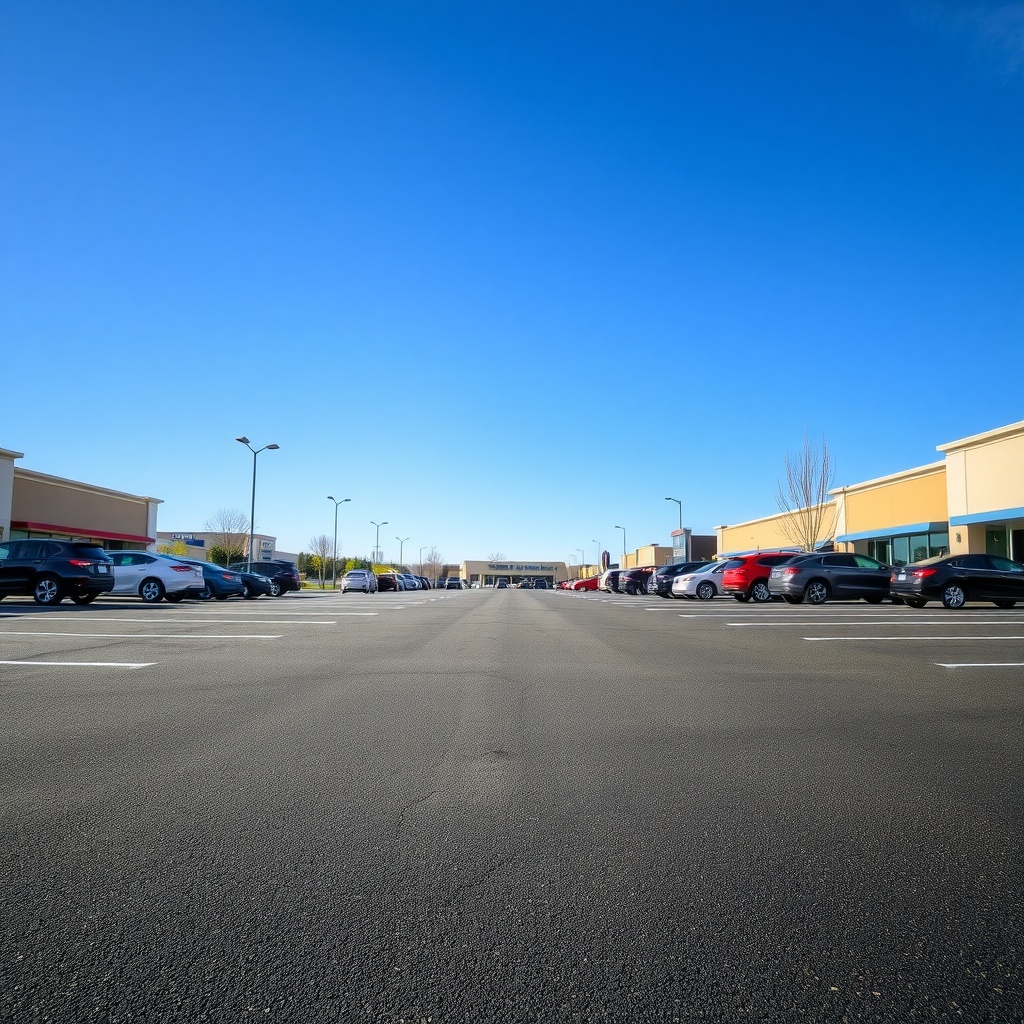
When you’re looking for cost-effective asphalt solutions for your business, it’s crucial to evaluate both quality and budget. You want to guarantee you’re getting the best value without compromising on durability.
One effective approach is to explore various asphalt pricing strategies that suit your financial goals. Consider bulk purchasing or seasonal discounts, which can greatly lower costs.
Exploring diverse asphalt pricing strategies, like bulk purchasing and seasonal discounts, can significantly reduce costs and align with your financial goals.
Additionally, don’t overlook sustainable paving solutions. These options not only reduce environmental impact but can also save you money in the long run through decreased maintenance and increased longevity.
By opting for recycled materials or eco-friendly techniques, you can align your business with modern sustainability practices while enhancing your bottom line.
Ultimately, finding the right balance between cost and quality will lead to a successful paving project that meets your needs and supports your business growth.
Key Factors That Affect Your Asphalt Paving Costs

When planning your asphalt paving project, several key factors can influence your costs.
The size of the project and the quality of materials you choose play major roles in determining the final price.
Understanding these elements can help you make informed decisions and stay within budget.
Project Size Considerations
Understanding project size is essential in estimating asphalt paving costs, as it directly influences material and labor expenses.
The scale of your project determines the installation methods you’ll need and can greatly affect your budget. Here are some key considerations:
- Area size: Larger areas require more materials and time.
- Project complexity: Intricate designs might need specialized techniques.
- Traffic levels: High-traffic zones often need thicker layers for durability.
- Site preparation: More extensive prep work increases costs.
- Seasonal factors: Weather can impact availability and efficiency of installation.
Material Quality Impact
The quality of materials you choose greatly influences your asphalt paving costs. Higher-quality materials often come at a higher price, but they can save you money in the long run.
When you invest in durable materials, you enhance the performance longevity of your pavement, reducing the need for frequent repairs or replacements. Cheaper options might seem appealing initially, but they often lead to issues like cracking or crumbling sooner than expected.
This means you’ll end up spending more on maintenance. By prioritizing material durability, you’re not just making a wise financial decision; you’re also ensuring a smoother, safer surface for your customers.
In the end, choosing quality materials pays off, both in cost savings and performance.
What Affects Your Asphalt Paving Costs?
As you plan your asphalt paving project, several factors can greatly influence the overall costs. Understanding these elements helps you develop effective budgeting strategies and stay informed about asphalt pricing trends.
Here are key points to evaluate:
- Project Size: Larger areas typically reduce costs per square foot due to economies of scale.
- Location: Transportation costs can vary based on distance from suppliers.
- Material Quality: Higher-quality asphalt may cost more upfront but can save you money on repairs.
- Seasonality: Prices can fluctuate based on the time of year; spring and summer may be more expensive due to demand.
- Site Preparation: Any necessary grading or repairs can add to your overall expenses.
How to Choose the Right Asphalt Type for Your Project
Choosing the right asphalt type for your project starts with understanding its purpose.
Consider how the climate in your area can affect the performance of different asphalt mixes.
Project Purpose Considerations
When planning your paving project, understanding the specific purpose of your asphalt surface is essential. Your project goals and stakeholder expectations will guide your choice of asphalt type.
Consider the following factors to help you make an informed decision:
- Traffic Volume: Is it for heavy trucks or light vehicles?
- Weather Conditions: Will it endure extreme temperatures?
- Durability Needs: How long do you expect the surface to last?
- Maintenance Plans: Are you ready for regular upkeep?
- Budget Constraints: What’s your financial limit for this project?
Climate Impact Assessment
Considering the climate where your project is located can greatly influence your choice of asphalt type. Warmer regions may benefit from high-performance asphalt that resists softening, while cooler areas often need materials that can withstand cracking.
It’s essential to align your choice with sustainability practices, ensuring that your asphalt isn’t only durable but also eco-friendly. Look for options that incorporate recycled materials or lower emissions during production.
Additionally, stay informed about local environmental regulations; they can dictate which asphalt types are permissible. By factoring in climate conditions and regulatory requirements, you can select an asphalt type that meets both your project needs and sustainability goals, ultimately leading to a cost-effective and environmentally responsible solution.
How to Pick the Right Paving Contractor
Selecting the right paving contractor can make all the difference in the quality and longevity of your asphalt project.
To guarantee you choose wisely, consider these key factors:
- Contractor credentials: Verify their licenses and insurance.
- Experience: Look for contractors with a solid history in asphalt paving.
- Project references: Ask for past client testimonials or case studies.
- Communication: Confirm they’re responsive and clear about the project scope.
- Warranty: Check if they offer a warranty for their work.
Budgeting Your Asphalt Paving Project
Choosing the right paving contractor sets the stage for a successful project, but budgeting is just as important to guarantee your asphalt paving stays within your financial means. To effectively manage your budget allocation and project financing, consider the following key factors:
| Item | Estimated Cost | Notes |
| Material Costs | $X per ton | Prices may vary by supplier |
| Labor Costs | $Y per hour | Depends on project size |
| Equipment Rental | $Z per day | Factor in usage duration |
Start by evaluating your total budget and allocate funds for each category. Don’t forget to include potential contingencies for unexpected expenses. By planning carefully and monitoring your costs, you’ll guarantee the project remains financially feasible.
Best Practices for Asphalt Installation and Maintenance
When it comes to asphalt installation and maintenance, proper site preparation is essential for a durable surface.
You’ll also want to set a regular maintenance schedule to keep your asphalt in top shape.
These practices not only extend the lifespan of your pavement but also save you money in the long run.
Proper Site Preparation
Proper site preparation is essential to achieving a durable asphalt surface, as it sets the foundation for successful installation and long-term maintenance.
Start with a thorough site assessment to identify any potential issues. Use effective preparation techniques to guarantee ideal results.
Here are some key steps to follow:
- Clear debris and vegetation from the area.
- Conduct soil compaction tests to check stability.
- Fill in any low spots to create a level surface.
- Confirm proper drainage to prevent water accumulation.
- Compact the subgrade to enhance support for the asphalt.
Regular Maintenance Schedule
To keep your asphalt surface in top shape, establishing a regular maintenance schedule is essential. This not only enhances its appearance but also prolongs its lifespan, offering significant maintenance benefits.
Start by inspecting your asphalt quarterly to catch any cracks or damage early. Implement scheduling strategies like routine sealing every two to three years to protect against water infiltration. Regularly cleaning debris and filling cracks promptly can prevent more extensive repairs later.
Additionally, consider seasonal adjustments; check for winter damage in spring and make necessary repairs before summer wear. By staying proactive with maintenance, you’ll save money in the long run and guarantee your asphalt remains a reliable asset for your business.
How Proper Drainage Affects Asphalt Longevity
While you might focus on the asphalt mix and installation process, effective drainage plays a crucial role in extending the lifespan of your pavement. Proper drainage design guarantees that water is directed away from your asphalt, preventing damage from standing water and freeze-thaw cycles.
When you prioritize water management, you’re not just protecting your investment; you’re enhancing safety and aesthetics.
Here are some key points to reflect on:
- Reduced Potholes: Proper drainage minimizes water accumulation, reducing the likelihood of potholes.
- Longer Lifespan: Well-managed water keeps your asphalt intact for a longer period.
- Improved Safety: Effective drainage reduces slippery surfaces during rain.
- Cost Savings: Fewer repairs mean lower long-term expenses.
- Enhanced Appearance: Properly drained areas look cleaner and more appealing.
Exploring Cost-Effective Recycled Asphalt Options
Investing in asphalt paving doesn’t have to break the bank, especially when considering recycled asphalt options. Recycled asphalt not only offers cost savings but also delivers significant environmental benefits. By reusing materials, you reduce waste and lower your carbon footprint.
When exploring installation techniques, it’s essential to follow usage guidelines to guarantee peak performance. Performance comparison with traditional asphalt shows that recycled options can match or even exceed expectations in durability and longevity, especially when properly installed.
Conducting a lifecycle analysis can help you understand the long-term advantages of recycled asphalt, confirming its value over time. Staying updated on market trends will further inform your decisions, allowing you to choose the best materials for your paving projects.
Embracing recycled asphalt is a smart move for both your budget and the environment, securing you pave the way for a sustainable future.
Seasonal Tips for Asphalt Paving Projects
When planning asphalt paving projects, timing can make all the difference in ensuring a successful outcome.
Seasonal maintenance is essential, as temperature effects can greatly impact the quality of your paving. Here are some tips to keep in mind:
- Spring: Inspect for winter damage and schedule repairs before temperatures rise.
- Summer: Aim for early morning or late afternoon to avoid extreme heat, which can cause softening.
- Fall: Complete projects before the first frost; asphalt needs time to cure properly.
- Winter: Avoid paving; cold temperatures can lead to cracking and poor adhesion.
- Routine Checks: Regularly inspect your pavement for cracks or wear, especially after seasonal changes.
Innovative Techniques to Reduce Paving Costs
When you’re looking to cut down on paving costs, consider recycling existing asphalt materials; it’s a smart way to save both money and resources.
You can also boost efficiency with effective project scheduling techniques that minimize downtime.
Let’s explore these innovative strategies to keep your paving projects budget-friendly.
Recycling Existing Asphalt Materials
Recycling existing asphalt materials not only cuts costs but also promotes sustainability in paving projects. By utilizing recycled materials, you can markedly reduce your expenses while contributing to environmental benefits.
Here are some innovative techniques to take into account:
- Milling: Salvaging existing asphalt by grinding it down for reuse.
- Hot Mix Recycling: Combining reclaimed asphalt with new materials for a fresh layer.
- Cold In-Place Recycling: Reusing asphalt on-site, minimizing transport costs and emissions.
- Use of Additives: Enhancing the performance of recycled materials with additives for durability.
- Quality Control: Implementing strict quality checks to guarantee recycled asphalt meets standards.
Efficient Project Scheduling Techniques
Efficient project scheduling is essential for minimizing paving costs and maximizing productivity. By utilizing scheduling software, you can streamline your operations and allocate resources more effectively. This tech allows you to track timelines, manage workloads, and adjust plans on the fly, ensuring that your project stays on track.
Moreover, strong team coordination greatly boosts efficiency. Regular communication among team members helps address issues quickly, reducing downtime and avoiding costly delays. Set clear expectations and responsibilities to keep everyone aligned.
Incorporating these techniques not only saves money but also enhances your crew’s morale and performance.
Timing Your Paving Project for Maximum Efficiency
To achieve ideal results in your paving project, timing is essential. By implementing effective timing strategies, you can enhance your project’s efficiency and minimize disruptions.
Here are some tips to take into account:
- Seasonal Considerations: Choose a time when weather conditions are suitable for asphalt laying.
- Project Calendars: Align your paving schedule with your business’s peak and off-peak times to reduce impact on operations.
- Resource Availability: Verify your team and materials are available when needed to avoid delays.
- Local Regulations: Be aware of any local restrictions or permits required for paving, which can affect your timeline.
- Lead Time: Plan for any unexpected delays by allowing extra time in your project calendar.
How Regular Maintenance Extends Asphalt Lifespan
After timing your paving project effectively, the next step is ensuring your new asphalt lasts as long as possible. Regular maintenance is key to extending its lifespan.
By implementing preventive measures, like sealing cracks and filling potholes promptly, you can avoid more extensive damage down the line. This not only saves you money but also keeps your surface safe for users.
Implementing preventive measures, like sealing cracks and filling potholes, keeps your asphalt safe and saves you money in the long run.
The maintenance benefits are significant. A well-maintained asphalt surface can withstand harsh weather conditions and heavy traffic, reducing the need for costly repairs or replacements.
Schedule routine inspections to catch issues early, and consider professional maintenance services for ideal results.
Investing time and resources into regular upkeep means you’ll enjoy a smoother, longer-lasting surface.
Ultimately, maintaining your asphalt isn’t just smart; it’s a cost-effective strategy that pays off in the long run.
Cost-Effective Asphalt Paving Case Studies
While many assume that quality paving comes at a high price, several case studies demonstrate that cost-effective asphalt solutions can deliver excellent results without breaking the bank.
Businesses that embraced recent asphalt trends found innovative ways to manage expenses through smart budget planning.
Here are some notable examples:
- A retail center reduced costs by 20% using recycled asphalt materials.
- A school district implemented a phased paving approach, spreading expenses over multiple years.
- A parking lot for a small business saw increased durability after choosing a high-quality sealant.
- A municipal project utilized community volunteers, lowering labor costs considerably.
- An industrial site adopted preventative maintenance, extending the lifespan of their asphalt.
These examples show that with careful planning and an eye on current trends, you can achieve quality asphalt paving solutions that fit your budget.
Frequently Asked Questions
What Warranties Are Typically Offered With Asphalt Paving Projects?
Typically, you’ll find warranty types like workmanship and material warranties. Workmanship usually lasts 1-2 years, while material warranties can extend up to 10 years or more, depending on the asphalt’s quality and the manufacturer.
How Do Weather Conditions Impact Asphalt Paving Schedules?
Weather conditions can greatly impact your asphalt paving schedule. Rain and extreme temperatures often cause paving delays, as moisture affects adhesion and curing. It’s essential to monitor forecasts to plan your project effectively.
Can I Pave Over Existing Asphalt Surfaces?
Yes, you can pave over existing asphalt surfaces. However, proper surface preparation is essential. It guarantees the new layer adheres well, maximizing paving benefits like durability and extending the lifespan of your pavement.
What Are the Environmental Impacts of Asphalt Paving?
Asphalt paving can harm the environment through runoff and emissions. However, you can mitigate these impacts by using asphalt recycling and exploring eco-friendly alternatives, which reduce waste and promote sustainability in your projects.
How Can I Finance My Asphalt Paving Project?
You can finance your asphalt paving project through business financing options like loans or lines of credit. Start by evaluating your project budgeting to determine how much you need, then explore lenders that suit your needs.
Final Thoughts
Cost-effective asphalt paving isn’t about cutting corners—it’s about choosing the right materials, the right plan, and the right partner so your pavement performs for the long haul. When you balance upfront pricing with durability, proper drainage, and routine upkeep, you reduce surprise repairs and protect your property’s curb appeal and safety over time.
At All Around Asphalt, we help businesses get maximum value from every paving dollar—whether you need Commercial Asphalt Paving, Parking Lot Paving, or targeted Asphalt Repair to address problem areas without overspending. We can also extend the life of your surface with proactive protection like Asphalt Sealcoating and surface renewal options such as Asphalt Resurfacing.
If you’re planning a paving project and want a clear, accurate quote with smart options that fit your budget, reach out today through our Contact Page.