
When choosing asphalt paving techniques, consider durability, surface smoothness, and cost-effectiveness. Hot mix asphalt offers strength and longevity, while cold mix suits colder climates with quick-set properties. For residential driveways, a simple overlay might work, but commercial lots need more robust solutions. Proper technique impacts your project’s overall quality, so make an informed choice. Keep exploring to discover how sealcoating and porous asphalt can further enhance your project’s results.
Key Takeaways
- Type of Asphalt: Choose between hot mix, cold mix, or porous asphalt based on climate, application, and environmental considerations.
- Project Requirements: Different techniques cater to commercial or residential needs, influencing durability and surface quality.
- Cost-Effectiveness: Selecting the right technique can lead to significant savings in maintenance and repair costs over time.
- Sealcoating Importance: Regular sealcoating enhances longevity, prevents cracks, and improves aesthetics, crucial for all paving techniques.
- Environmental Impact: Techniques like porous asphalt promote water absorption and reduce urban flooding, offering eco-friendly benefits.
Choosing the Right Asphalt Paving Technique for Your Project
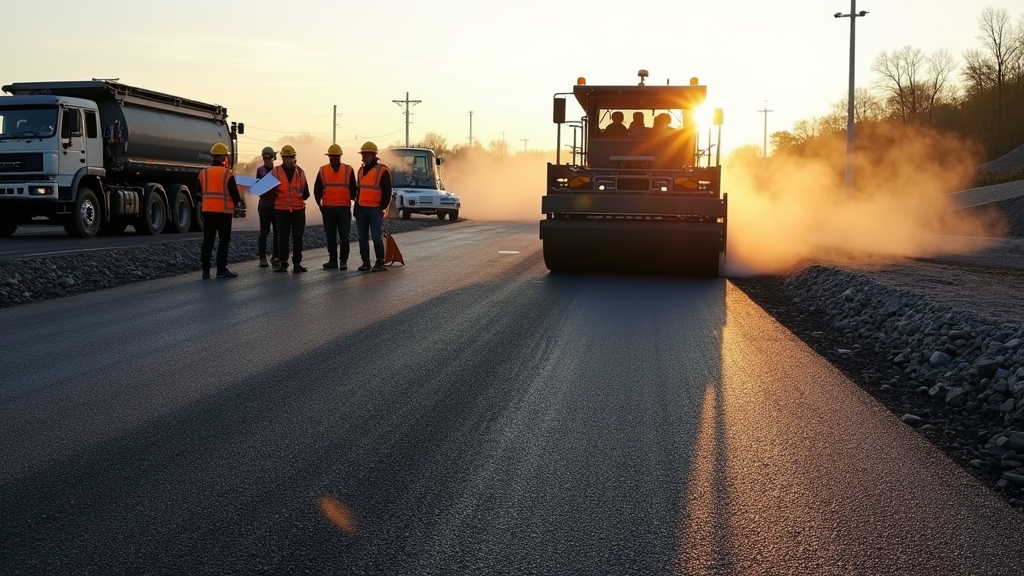
When you’re planning an asphalt paving project, choosing the right technique is essential to achieving a durable and smooth surface. Different asphalt types, like hot mix and cold mix, cater to various project requirements.
Choosing the right asphalt technique is crucial for a durable, smooth surface tailored to your project’s specific needs.
For instance, if you’re working in colder climates, cold mix asphalt may be more suitable due to its quick-setting properties. Hot mix asphalt, on the other hand, offers better strength and durability, making it ideal for high-traffic areas.
You should also consider the project’s intended use. If it’s for a residential driveway, a simple overlay might suffice. However, for commercial lots, a more robust method may be necessary.
Evaluating your specific needs helps you select the most effective paving technique. Remember, the right choice not only impacts the longevity of your surface but also saves you time and money down the line.
Make sure to consult with professionals to find the best fit for your project.
How Sealcoating Affects Asphalt Paving Longevity
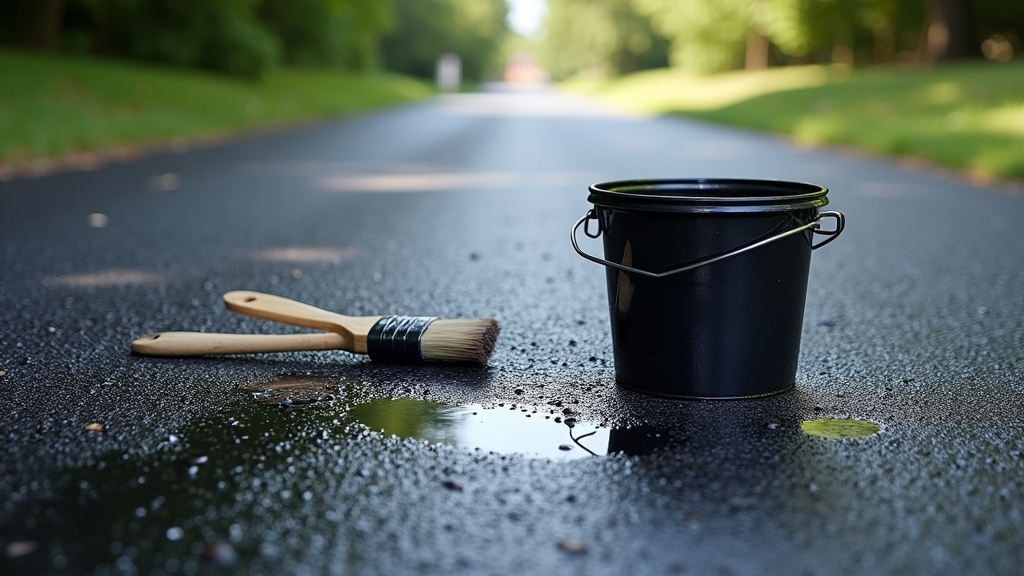
Sealcoating plays an essential role in extending the longevity of asphalt paving. By applying a sealcoat, you create a protective layer that shields the asphalt from harmful elements like UV rays, water, and chemicals. This not only prevents cracks and surface deterioration but also enhances the appearance of your pavement.
One of the key sealcoating benefits is that it can save you money in the long run. Regularly sealing your asphalt can reduce the need for extensive repairs and replacement.
To maximize these benefits, follow some maintenance tips: schedule sealcoating every 2-3 years, clean your pavement before application, and guarantee it’s dry to promote better adhesion.
What Makes Porous Asphalt Eco-Friendly?
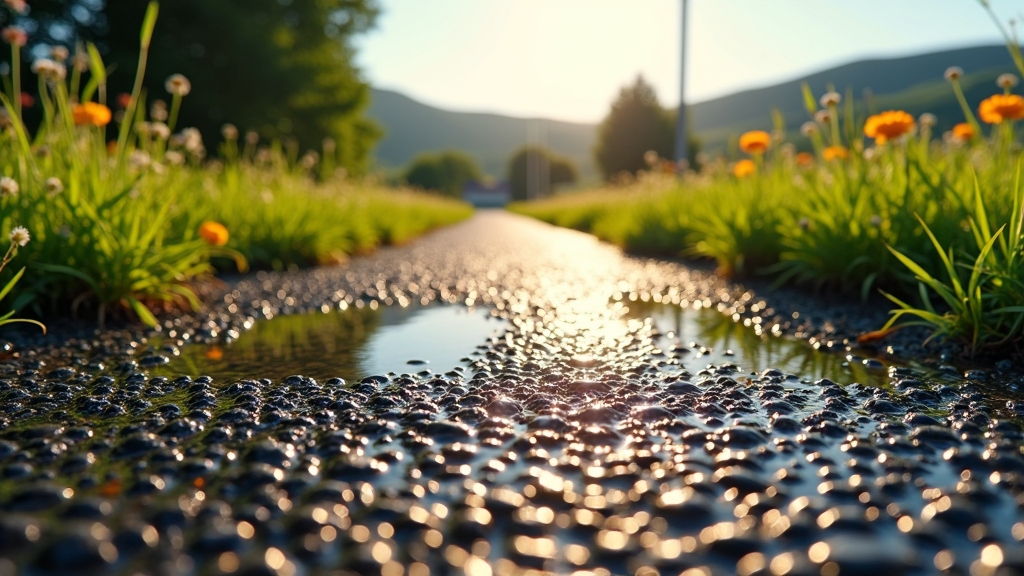
Have you ever considered how asphalt can be both functional and eco-friendly? Porous asphalt is a great example of this dual benefit, offering permeable surfaces that allow water to pass through, reducing runoff and promoting groundwater recharge.
Here are three key environmental benefits:
- Flood Mitigation: By absorbing rainwater, porous asphalt helps prevent flooding in urban areas, which can damage infrastructure and disrupt ecosystems.
- Pollution Reduction: As water filters through the asphalt, it naturally cleanses pollutants, leading to better water quality in nearby streams and rivers.
- Energy Efficiency: Porous asphalt can help regulate temperatures in urban settings, reducing the heat island effect and lowering energy consumption for cooling.
Frequently Asked Questions
What Are the Costs Associated With Different Asphalt Paving Techniques?
When you analyze costs, different asphalt paving techniques show varying expenses. A cost comparison reveals factors like material quality, labor, and equipment. Understanding these elements helps you choose the best option for your project.
How Long Does Asphalt Paving Typically Last Before Needing Repairs?
Asphalt typically lasts 15 to 30 years before needing repairs, depending on factors like installation quality and weather. To extend its lifespan, follow maintenance tips like regular sealing and prompt crack repairs.
Can Asphalt Paving Be Done in Cold Weather Conditions?
Yes, you can pave in cold weather, but cold weather challenges arise. Asphalt temperature effects can hinder proper compaction and bonding, so it’s essential to monitor conditions and use additives to improve performance in low temperatures.
What Equipment Is Used in Various Asphalt Paving Methods?
You’ll use various paving machinery like asphalt pavers, rollers, and distributors to achieve efficient installation techniques. Each piece of equipment plays an essential role in ensuring a smooth, durable asphalt surface for your project.
How Do Local Regulations Impact Asphalt Paving Choices?
Local regulations shape your asphalt paving choices by enforcing regulatory compliance and emphasizing environmental considerations. They guide material selection, paving methods, and project timelines, ensuring you meet community standards while minimizing environmental impact.
Final Thoughts: Choose the Right Technique for Stronger, Longer-Lasting Asphalt
The right asphalt paving technique can make the difference between a surface that holds up for years and one that needs premature repairs. Whether you’re weighing hot mix versus cold mix, planning a residential overlay, or considering porous asphalt for better drainage, technique matters because it directly affects durability, smoothness, and long-term cost. The best approach is always the one that matches your site conditions, traffic demands, and maintenance goals.
At All Around Asphalt, we help property owners choose the paving method that delivers lasting value—whether that’s a new asphalt driveway paving project, reliable residential asphalt paving, or heavy-duty commercial asphalt paving built to handle daily wear. To protect your investment after installation, routine asphalt sealcoating can extend pavement life, while timely asphalt repair and strategic asphalt resurfacing help restore performance when surfaces begin to age.
If you’re planning an asphalt project in Mahwah, NJ and want results that last, we’re ready to help you choose the right technique and execute it with precision. Contact us to request a quote and get expert guidance from our team.