
For effective asphalt maintenance, you’ll need key products like crack fillers and sealcoating materials. Crack fillers prevent water damage and extend your pavement’s lifespan. Sealcoating enhances appearance while protecting against weather and UV rays. Choosing the right asphalt repair mixture is vital based on durability and environmental conditions. Don’t forget essential tools like sealant applicators and safety gear to enhance your maintenance efforts. There’s much more to explore to keep your asphalt looking great and lasting longer.
Key Asphalt Maintenance Takeaways: Essential Products & BenefitsKey Takeaways
- Regular maintenance prevents costly repairs by addressing small cracks before they expand into severe damage.
- Use high-quality crack fillers like Hot Pour and Cold Pour to seal cracks and prevent moisture infiltration.
- Sealcoating with products like Coal Tar Emulsion enhances appearance and protects against weather and UV damage.
- Choose appropriate asphalt repair mixtures based on aggregate size and binder type for durability and suitability.
- Essential tools include an asphalt rake and sealant applicator, while safety gear ensures protection during maintenance tasks.
What Happens When You Neglect Asphalt Maintenance?
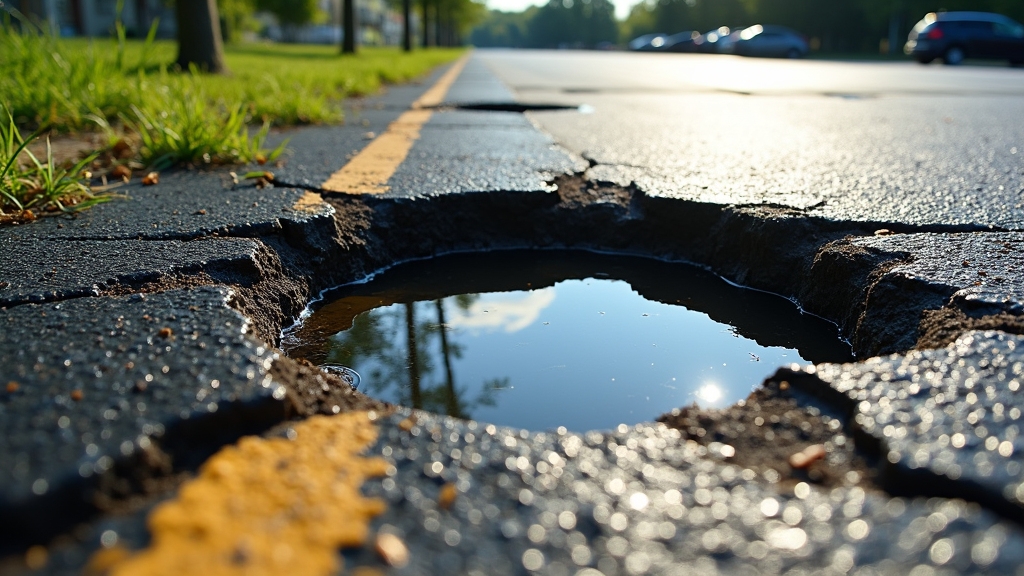
When you neglect asphalt maintenance, you risk serious long-term damage that can be costly to repair. Ignoring small cracks or surface issues allows them to expand, leading to more severe asphalt deterioration effects.
Water seeps into these cracks, causing the base to weaken, which can result in potholes and uneven surfaces. This deterioration not only affects the safety and appearance of your pavement but also brings significant financial implications.
Water infiltration weakens the base, leading to potholes and uneven surfaces, impacting both safety and finances.
The longer you wait to address these issues, the pricier the repairs become. Routine maintenance, like sealing and crack filling, is far cheaper than waiting for major reconstruction.
Ultimately, a small investment in regular upkeep can save you from hefty repair bills down the line. By staying proactive, you protect your asphalt and your wallet, ensuring a smooth and durable surface for years to come.
Why Crack Fillers Are Essential for Asphalt Care
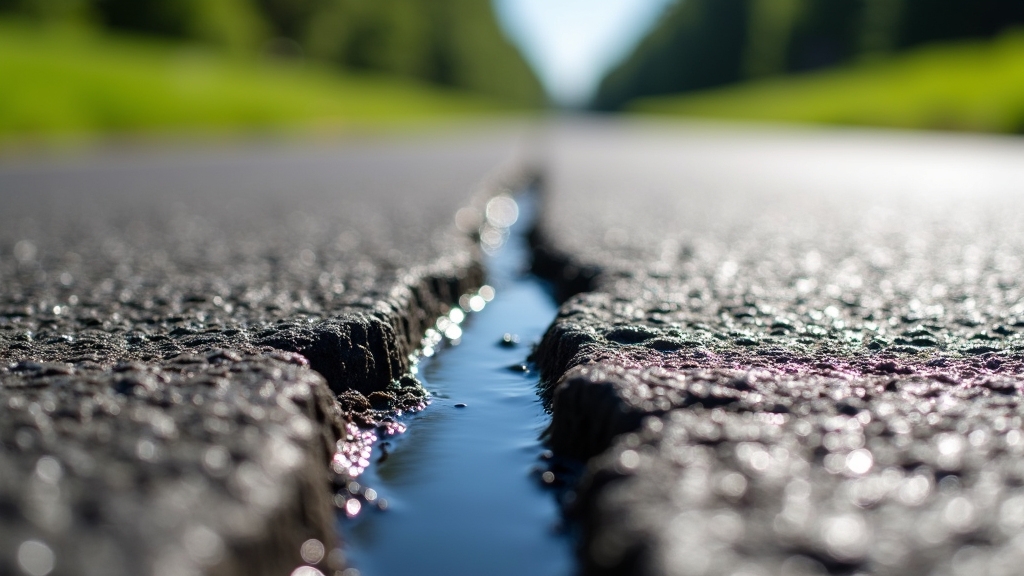
While it might seem tempting to overlook small cracks in your asphalt, using crack fillers is essential for maintaining your pavement’s integrity. Ignoring these cracks can lead to more significant damage over time, making timely intervention vital for effective crack prevention.
Here’s a quick overview of common filler types:
| Filler Type | Description |
| Hot Pour | Ideal for larger cracks; warms up for easy application. |
| Cold Pour | Convenient and easy to use; best for small cracks. |
| Asphalt Emulsion | Flexible and durable; good for various temperatures. |
| Polyurethane | Offers excellent adhesion; suitable for high-traffic areas. |
Using the right filler type not only seals the cracks but also prevents moisture from penetrating and causing further deterioration. By addressing these issues promptly, you’ll extend the lifespan of your asphalt and save on costly repairs down the line.
Top Sealcoating Products for Long-Lasting Protection
Sealcoating your asphalt is one of the best ways to guarantee long-lasting protection and enhance its appearance. By applying a high-quality sealant, you reap numerous sealcoating benefits, such as improved resistance to weather and UV rays, which prolongs the life of your pavement.
When selecting products, consider the following top sealcoating options:
- Coal Tar Emulsion: Known for its durability and protection against oil and chemicals.
- Asphalt Emulsion: Eco-friendly and easy to apply, making it a great choice for residential areas.
- Rubberized Sealers: Provide added flexibility and strength, perfect for areas with heavy traffic.
- Acrylic Sealers: Offer a glossy finish and excellent UV protection.
To maximize the effectiveness of these products, use proper application techniques, like ensuring the surface is clean and dry before application. This will help you achieve the best results for your asphalt maintenance.
How to Choose the Best Asphalt Repair Mixture
When choosing the best asphalt repair mixture, you need to evaluate the composition for durability and effectiveness.
Consider the environment where you’ll apply it, as temperature and moisture can impact its performance.
Making informed choices here guarantees a long-lasting repair.
Evaluate Mixture Composition
Choosing the right asphalt repair mixture is essential for guaranteeing long-lasting results. To make the best choice, you’ll want to evaluate the composition carefully.
Focus on these key factors:
- Aggregate Size: Smaller aggregates allow for better compaction.
- Binder Type: Select a polymer-modified binder for improved flexibility.
- Mixture Durability: Confirm the mixture can withstand weather changes and heavy traffic.
- Performance Evaluation: Look for mixtures with proven performance in similar conditions.
Consider Application Environment
To guarantee your asphalt repair mixture performs effectively, it’s crucial to take into account the application environment. Different environmental factors, like temperature and humidity, can greatly impact your choice of mixture.
For instance, if you’re working in colder conditions, opt for a product designed for low temperatures to assure proper adhesion and curing. Similarly, hot weather may require quicker application techniques to prevent the mixture from drying too fast.
Also, consider the location—whether it’s a high-traffic area or a residential street. This affects the durability needed.
Essential Tools for Effective Asphalt Maintenance
When it comes to asphalt maintenance, having the right tools is vital for getting the job done efficiently.
You’ll want to equip yourself with must-have maintenance tools and essential safety gear to guarantee both effectiveness and safety.
Let’s explore the key items you shouldn’t go without.
Must-Have Maintenance Tools
Effective asphalt maintenance hinges on having the right tools at your disposal. By investing in essential tool types, you’ll enhance your maintenance frequency and guarantee your asphalt surfaces remain in top shape.
Here are some must-have maintenance tools:
- Asphalt Rake: Perfect for spreading and leveling hot asphalt.
- Sealant Applicator: Guarantees even distribution of sealant, protecting your surface.
- Crack Filling Tools: Helps in repairing cracks before they worsen, extending the lifespan of your asphalt.
- Pressure Washer: Cleans debris and grime, making it easier to assess and maintain your asphalt.
Equipping yourself with these tools will make your asphalt maintenance more efficient and effective, ultimately saving you time and money in the long run.
Safety Equipment Essentials
While maintaining asphalt surfaces, prioritizing safety is essential for protecting yourself and your team. Investing in the right safety gear can prevent injuries and guarantee a smooth operation. Here are some must-have essentials:
| Safety Equipment | Purpose | Importance |
| Protective Clothing | Shields against spills and debris | Minimizes injury risk |
| Eye Protection | Guards against dust and debris | Prevents eye injuries |
| Hazard Signs | Warns of potential dangers | Informs workers and public |
| First Aid Kit | Provides immediate care | Essential for emergencies |
Don’t underestimate the value of safety training, either. It equips your team with the knowledge to handle risks effectively, ensuring everyone goes home safe after a long day of asphalt maintenance.
Best Pothole Repair Products for Asphalt Maintenance
Potholes can quickly turn a smooth asphalt surface into a hazard, but choosing the right repair products can make all the difference.
Potholes transform smooth asphalt into hazards, but selecting the right repair products is crucial for effective solutions.
To effectively tackle potholes and implement pothole prevention strategies, consider these top products:
- Cold Patch: Easy to use and ideal for quick fixes, cold patch materials bond well with existing asphalt.
- Hot Mix Asphalt: Best for permanent repairs, it requires heating but provides a durable solution.
- Asphalt Repair Filler: Great for smaller cracks, it helps prevent water infiltration, prolonging the life of your asphalt.
- Pothole Patch Kits: These kits often include all necessary tools and materials, making it straightforward for DIY repairs.
Why Edge Sealants Matter for Your Asphalt
Edge sealants play an essential role in preserving the integrity of your asphalt surfaces, as they protect against moisture and debris infiltration. By applying edge sealants, you can enhance durability and extend the lifespan of your asphalt.
| Edge Sealant Benefits | Application Techniques | Recommended Products |
| Prevents water damage | Clean the area first | Sealcoating compound |
| Reduces cracking | Use a brush or roller | Asphalt emulsion |
| Enhances appearance | Apply in dry conditions | Cold-patch sealant |
| Minimizes weed growth | Work in thin layers | Hot-pour sealant |
| Saves repair costs | Allow to cure | Liquid rubber sealant |
Understanding these edge sealant benefits and proper application techniques guarantees your asphalt remains in top shape. Invest in quality sealants and follow recommended practices to maximize your surface’s longevity.
Best Degreasers to Keep Asphalt Surfaces Clean
To keep your asphalt surfaces looking their best, choosing the right degreaser is essential. You want a product that tackles tough stains while being safe for the environment.
Choosing the right degreaser is crucial for maintaining your asphalt surfaces while ensuring environmental safety.
Here are some of the best options available:
- Eco-friendly degreasers: Often made from natural ingredients, these solutions effectively clean without harmful chemicals.
- Industrial strength options: Perfect for heavy-duty cleaning, these degreasers can handle grease, oil, and other tough stains with ease.
- Biodegradable formulas: These products break down naturally, minimizing environmental impact while ensuring a clean surface.
- Concentrated solutions: Opt for concentrated degreasers to save on costs; you can dilute them as needed for various tasks.
Cold Patch vs. Hot Mix: When to Use Each?
When should you choose cold patch over hot mix for your asphalt repairs? Understanding the differences can save you time and money. Cold patch is ideal for quick fixes and can be used in any weather, while hot mix is often preferred for more permanent solutions in controlled conditions.
| Feature | Cold Patch |
| Application | Cold temperatures, quick repairs |
| Curing Time | Immediate use |
| Durability | Short-term, less resilient |
| Cost | Generally lower |
| Best Use | Potholes, small cracks |
Cold patch advantages include easy handling and no special equipment needed, making it perfect for emergency repairs. On the other hand, hot mix applications are better for larger jobs where long-lasting results are essential. Choose wisely based on your project needs!
Top Tips for Asphalt Sealer Application
When applying asphalt sealer, you can’t underestimate the importance of surface preparation.
Make certain the area is clean and dry for the best results.
Plus, keeping an eye on the temperature will help guarantee the sealer bonds effectively.
Surface Preparation Importance
Before you apply asphalt sealer, effective surface preparation is essential for achieving a long-lasting finish. Conducting a thorough surface assessment helps you identify cracks, oil spots, and other issues that need attention.
By using proper preparation techniques, you guarantee the sealer adheres well and provides maximum protection.
Here are some key tips to keep in mind:
- Clean the Surface: Remove dirt, debris, and oil stains for better adhesion.
- Repair Cracks: Fill in any cracks to prevent water infiltration.
- Dry the Surface: Confirm the area is completely dry before sealing.
- Check for Puddles: Identify low spots where water collects and repair them.
Taking these steps will set you up for success in your asphalt maintenance project.
Optimal Temperature Conditions
Choosing the right temperature for asphalt sealer application is essential, as it directly impacts adhesion and durability. Ideally, aim for temperatures between 50°F and 90°F. If it’s too cold, the sealer won’t cure properly; too hot, and it may dry too quickly, leading to poor results.
Consider seasonal variations. Warmer months are typically best for sealing, while extreme cold or rain can cause complications.
| Temperature Range | Impact on Sealer |
| Below 50°F | Poor adhesion, long cure time |
| 50°F – 70°F | Best adhesion, proper cure |
| 70°F – 90°F | Ideal conditions, great durability |
| Above 90°F | Rapid drying, potential cracking |
| Rainy Days | Inadequate curing, washout risks |
Common Mistakes to Avoid in Asphalt Maintenance
Although asphalt maintenance may seem straightforward, there are several common mistakes that can undermine your efforts and lead to costly repairs. By being aware of these pitfalls, you can guarantee your asphalt lasts longer and stays in good shape.
Asphalt maintenance may seem simple, but avoiding common mistakes is crucial for longevity and durability.
- Skipping crack sealing, which can lead to water damage and bigger cracks.
- Neglecting surface leveling before applying sealant, resulting in uneven wear and reduced effectiveness.
- Using low-quality materials that might save you money initially but cost more in the long run.
- Failing to clean the surface properly before maintenance, preventing proper adhesion and durability.
How Often Should You Perform Asphalt Maintenance?
Maintaining your asphalt isn’t a one-time task; it requires a consistent schedule to keep it in top shape. To maximize your asphalt lifespan, aim to perform maintenance at least once a year. This frequency allows you to catch minor issues before they escalate into costly repairs.
During your annual check-up, inspect for cracks, potholes, and signs of wear. If you notice any problems, address them promptly.
Additionally, consider seasonal maintenance, especially in areas with extreme weather changes. In such cases, two maintenance sessions per year might be beneficial.
Regular sealing every 2-3 years can also enhance durability, preventing water infiltration and UV damage.
By sticking to a maintenance frequency that suits your asphalt’s needs, you’ll guarantee it remains safe and functional for years to come.
Budgeting for Asphalt Maintenance Products and Services
When budgeting for asphalt maintenance products and services, it’s crucial to evaluate both immediate needs and long-term investments.
Start with a thorough cost analysis to identify what you need now versus what could wait. This helps you make informed decisions that balance quality and cost.
Consider these key factors:
- Immediate Repairs: Prioritize urgent fixes to prevent further damage.
- Quality Products: Invest in durable materials that reduce future maintenance costs.
- Service Contracts: Compare maintenance services to find the best value without sacrificing quality.
- Long-Term Plans: Set aside funds for future projects to keep your asphalt in top shape.
Frequently Asked Questions
How Can Weather Affect Asphalt Maintenance Schedules?
Weather can disrupt your asphalt maintenance schedule. Temperature fluctuations and moisture impact the curing process, making it essential to avoid maintenance during extreme conditions. Keep an eye on forecasts to plan your work effectively.
What Are the Signs of Underlying Asphalt Issues?
You’ll notice underlying asphalt issues through unusual cracking patterns and pooling water. If you see these signs, it’s essential to investigate further, as they often indicate drainage problems or structural damage needing immediate attention.
Can I Perform Asphalt Maintenance Myself?
Yes, you can perform asphalt maintenance yourself! Using DIY techniques not only boosts your skills but also offers significant cost savings. Just make sure to research proper methods for effective and lasting results.
How Do I Choose a Professional Asphalt Maintenance Service?
To choose a professional asphalt service, check their experience, read reviews, and ask about maintenance tips. Compare quotes and confirm they use quality materials, so you get the best value for your investment.
What Is the Average Lifespan of Asphalt Surfaces?
Asphalt surfaces typically last 15 to 20 years, but factors like traffic, weather, and maintenance impact durability. You can extend lifespan using sealing techniques, regular repairs, and proper drainage to protect your investment.
Final Thoughts
Effective asphalt maintenance starts with using the right products at the right time. Crack fillers, sealcoating materials, edge sealants, and proper repair mixtures all work together to prevent moisture intrusion, slow surface deterioration, and reduce the risk of costly structural damage. When maintenance is handled proactively, small issues are addressed early—saving you time, money, and frustration in the long run.
At All Around Asphalt, we help property owners protect their pavement with professional-grade solutions and proven maintenance strategies. From preventative asphalt sealcoating to targeted asphalt repair and full asphalt resurfacing when needed, our team understands how to match the right products to your pavement’s condition and usage.
Whether you’re maintaining a driveway, parking lot, or commercial surface, regular care paired with expert guidance makes all the difference. If your pavement needs attention or you want to build a long-term maintenance plan, contact us today and let our team help you extend the life and performance of your asphalt investment.