
For a long-lasting driveway, you’ll usually choose between traditional hot mix, permeable asphalt, or recycled/overlay solutions. Traditional hot mix gives you a smooth, durable surface if the base and compaction are done right. Permeable asphalt lets water drain through, cutting runoff, puddles, and ice. Recycled and overlay methods reuse existing pavement to save money and time while improving appearance and performance. Each option suits different budgets, drainage needs, and site conditions you can explore further.
Key Takeaways
- Traditional hot mix asphalt over a well‑prepared base offers the best balance of durability, smoothness, and cost for most residential driveways.
- Permeable asphalt systems manage stormwater by allowing rain to drain through the surface into an open-graded stone base and underlying soil.
- Recycled asphalt overlays refresh aging driveways by repairing and resurfacing existing pavement instead of full-depth reconstruction, reducing cost and material use.
- Proper subgrade and gravel base preparation, including drainage planning and compaction, is crucial regardless of which asphalt paving technique you choose.
- Correct placement and immediate compaction with steel and pneumatic rollers ensure long-term performance by achieving the right thickness, density, and surface smoothness.
Traditional Hot Mix Asphalt Driveways
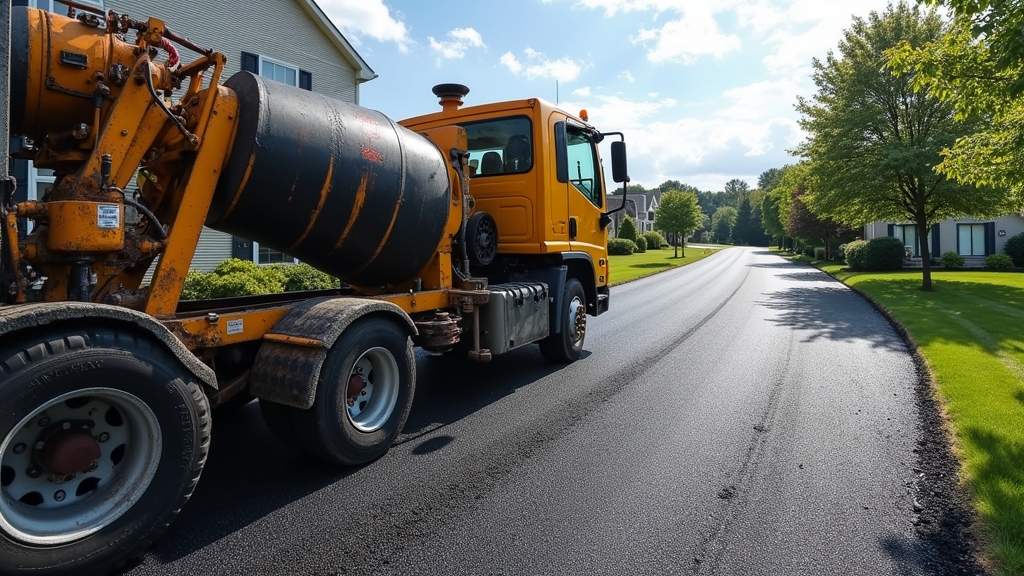
Hot mix asphalt driveways remain a popular choice because they balance durability, cost, and appearance.
When you choose this option, you’re getting a dense, flexible surface that stands up well to vehicle traffic and temperature swings, as long as it’s installed correctly.
You start with careful subgrade preparation.
The soil beneath your driveway must be stable, well-drained, and graded so water sheds away from structures.
Any soft spots get removed or reinforced, and a compacted gravel base is usually added to support the asphalt layer.
Next, contractors place hot mix asphalt while it’s still workable, then immediately use the right compaction technique.
Steel drum and pneumatic rollers press the mix to the specified thickness and density, closing air voids and locking aggregates together.
Proper compaction reduces cracking, rutting, and premature wear, so your driveway maintains a smooth, dark finish and reliable performance over many years.
Permeable Asphalt Paving for Improved Drainage
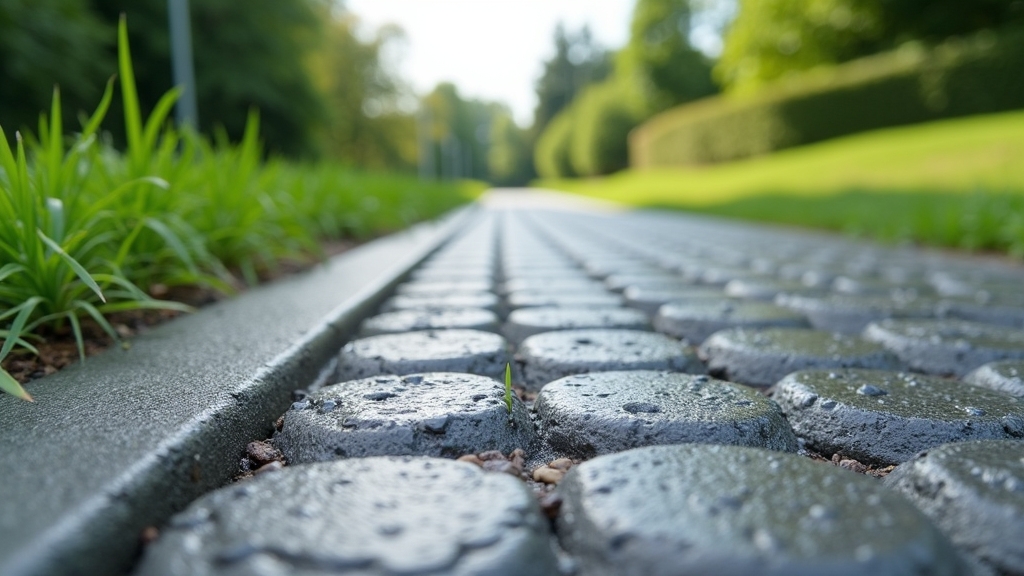
If you like the strength of a traditional hot mix driveway but struggle with standing water or strict stormwater rules, permeable asphalt offers a different approach. Instead of shedding water to the sides, this mix lets rain pass through tiny voids, then drain into a stone base and the soil below. You improve Stormwater Management right at your driveway, reducing runoff, pooling, and ice patches.
Before installation, your contractor should perform Infiltration Testing to confirm the native soil can absorb water fast enough. If it can, they’ll design a layered system: permeable asphalt, open-graded stone, and sometimes an underdrain.
| Feature | Benefit |
| Porous surface | Minimizes surface runoff |
| Stone reservoir base | Temporarily stores stormwater |
| Fewer puddles | Safer, more usable driveway |
| Localized recharge | Helps replenish groundwater levels |
With proper design and maintenance, you get durability plus better on-site drainage.
Recycled and Overlay Asphalt Solutions for Existing Driveways
Revitalizing a worn driveway doesn’t always mean tearing everything out and starting from scratch; recycled and overlay asphalt solutions can restore function and appearance while saving time and money.
When your base is mostly solid, you can reuse what you already have instead of paying for full-depth replacement.
With Cold Recycling, contractors grind the existing asphalt in place, mix it with binding agents, then compact it to form a renewed base layer.
This process keeps material on-site, reduces trucking, and often solves problems like minor cracking and surface distortion.
If your driveway’s structure is sound but the surface looks tired, a Structural Overlay may be enough.
Contractors clean, repair, and level the existing pavement, then place a new asphalt layer on top, adding strength and a fresh finish.
You’ll extend the driveway’s life, improve ride quality, and gain a cleaner look without the disruption of full reconstruction.
Frequently Asked Questions
How Much Does a Residential Asphalt Driveway Typically Cost per Square Foot?
You’ll typically pay $3–$8 per square foot for a residential asphalt driveway. Costs vary with Material Variations, base preparation, and local labor. Watch for contractor Seasonal Discounts, which can lower your overall price noticeably.
How Long Does It Usually Take to Install an Asphalt Driveway?
You’ll usually see installation finished in 1–3 days, but you must wait 2–7 days before regular use. Curing time can extend to 30 days, and weather delays often stretch the overall schedule.
What Maintenance Tasks Should Homeowners Perform Annually on Asphalt Driveways?
You should inspect for damage, follow a 2–3 year sealcoating schedule, perform crack sealing promptly, clean oil and debris, maintain proper drainage, edge the sides, and monitor heavy loads to extend your asphalt driveway’s life.
How Do I Choose a Reliable Asphalt Paving Contractor in My Area?
You choose a reliable contractor by checking reviews, requesting references, and comparing detailed written bids. Prioritize License Verification, Insurance Confirmation, and clear warranties. Finally, meet them onsite so you can assess communication, professionalism, and project understanding.
Are There Local Permits or Regulations Affecting New Asphalt Driveway Installation?
Yes, local permits usually apply. You’ll check zoning requirements, driveway size limits, drainage rules, and setbacks. Cities often require permits before work starts and may enforce inspection timelines for base preparation and final paving approval.
Final Thoughts
When you choose the right paving technique—whether it’s hot mix asphalt, permeable options, or recycled overlays—you’re not just investing in curb appeal. You’re building long-term value into your property.
Hot mix asphalt remains a popular choice for its durability and classic look. If you’re concerned about runoff or eco-impact, permeable asphalt offers a smart, sustainable option. And if you want to give an aging surface a second life,recycled asphalt resurfacing can save time, cost, and resources.
AtAll Around Asphalt, we help you select the method that best fits your driveway’s condition, budget, and long-term needs. Our expertise spans everything fromnew asphalt driveway installations toasphalt resurfacing andpreventive maintenance—ensuring you get more out of every square foot of pavement.
Want to see what’s possible for your home? Get in touch for a custom quote or explore more about ourresidential services today.