
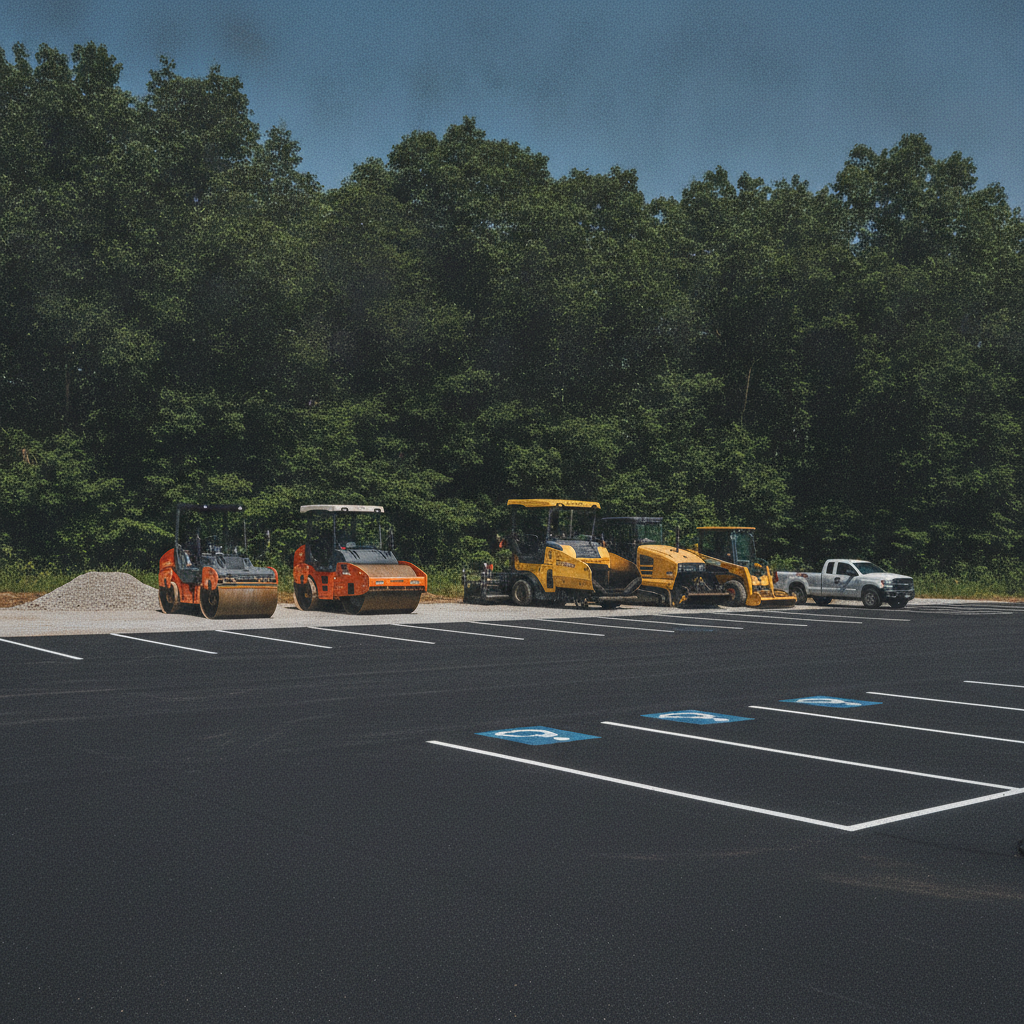
A parking lot is the first thing customers, tenants, and delivery drivers touch when they arrive at your property. Before they see your storefront or read your sign, they have already formed an opinion based on whether the surface is smooth, clearly marked, and safe to cross. That is why hiring an experienced asphalt paving contractor in Mahwah NJ is one of the most visible investments a business or developer can make.
Yet most owners have never managed a paving project from start to finish. They may not know how long the lot will be closed, what the crew does on day one, how weather in the Northeast changes the schedule, or what separates a bid that looks cheap from one that actually lasts. Surprises in any of those areas can cost a business real revenue.
This guide walks through the process step by step, from the first site walk to the final line striping. You will learn what to ask before signing a proposal, how a typical project unfolds, what drives cost, and how to protect your new pavement once it is down. Whether you manage a small retail strip, a medical office, or a multi-building development, you will leave knowing what to expect and what a good project should look like.
Why Paving Planning Starts Before the Equipment Arrives
The most successful paving projects are won or lost long before a single truck rolls onto the property. Planning decides how smoothly traffic flows, how quickly the lot reopens, and whether drainage problems get solved rather than buried under fresh asphalt.
Start by defining your goals. Are you replacing a failing lot entirely, resurfacing an aging one, or expanding to add spaces? Each goal calls for a different scope, timeline, and budget. A lot with widespread alligator cracking and soft spots usually needs deeper work than one with surface wear and minor fading.
Next, gather the practical details a contractor will ask about: business hours, delivery schedules, tenant needs, and any areas that must stay accessible. Many owners find it helpful to work with a trusted Asphalt Paving Contractor Mahwah NJ who can walk the site, listen to those constraints, and build a phased plan around them instead of forcing the whole property to shut down at once.
The Site Evaluation and Estimate Process
A credible estimate begins with a physical walk of the property, not a phone quote based on square footage alone. During the evaluation, the contractor inspects cracking patterns, standing water, base stability, curbing, catch basins, and the transitions where pavement meets walkways or entrances.
Expect measurements, photos, and pointed questions about the lot’s history. How old is the pavement? Has it been patched before? Where do puddles linger after a storm? Those answers reveal whether problems are cosmetic or structural, and that difference changes the recommended repair method.
Established local firms such as All Around Asphalt typically put findings in writing so owners can compare scope item by item. A good proposal lists the work areas, the thickness of new asphalt, any base repairs, drainage corrections, striping, and cleanup. If a bid is vague about those details, ask for clarification before you sign. Clear paperwork protects both sides and prevents disputes later.
Choosing Between Repair, Resurfacing, and Full Replacement
Not every worn lot needs to be torn out. The right approach depends on how deep the damage goes, and an honest contractor will tell you when a less expensive option makes sense. The table below summarizes the three common paths so you can see how they compare at a glance.
| Approach | Best For | Typical Disruption |
|---|---|---|
| Spot Repair and Patching | Isolated potholes and small failed areas | Minimal, often a few hours per area |
| Overlay or Resurfacing | Sound base with surface-level wear and cracking | Moderate, usually one to two days |
| Full-Depth Replacement | Failed base, widespread alligator cracking, drainage defects | Highest, often several days with phased closures |
Choosing the lowest-cost option rarely saves money if the underlying base is failing. Resurfacing over a weak foundation simply lets the old cracks reflect through the new layer within a season or two.
Understanding What Drives the Price
Paving costs vary widely, and no honest contractor can quote a number without seeing the property. Several factors move the price up or down, and knowing them helps you read proposals with confidence.
The first is size and access. A large, open lot is generally more efficient to pave than a tight site with islands, tight turns, and limited staging room. The second is the condition of the base. Excavating and rebuilding failed sections adds labor, material, and disposal costs that a simple overlay avoids.
Other drivers include the thickness of the asphalt layer, the number of drainage fixes, curb or apron repairs, and the extras you choose, such as new striping, wheel stops, accessibility markings, or crack sealing. Material prices also shift with the market. Ask each bidder to separate these items so you can compare like with like. When one quote is dramatically lower, check whether it quietly leaves out base work, thickness, or cleanup.
Vetting Contractors Beyond the Bottom Line
Price matters, but experience and accountability matter more when the work has to hold up through freeze-thaw cycles and heavy customer traffic. Before you hire anyone, verify the basics: a valid business license, general liability coverage, and workers’ compensation insurance. Ask for certificates, not verbal assurances.
Request references from projects similar to yours, and look at completed lots in person if you can. A well-built surface should be smooth, free of low spots, and cleanly tied into existing curbs and entrances. For commercial properties, working with a seasoned Asphalt Paving Contractor in Mahwah, NJ who understands local conditions and municipal expectations can prevent costly rework.
Finally, ask about warranty terms and who stands behind them. A contractor who explains exactly what is covered, and for how long, is signaling confidence in the workmanship.
A Day-by-Day Look at the Paving Process
Knowing the sequence helps you plan around it. While every site differs, most projects follow a similar order of operations.
- Preparation: crews mark work zones, protect drains and utilities, and clear debris from the surface.
- Demolition or milling: failed pavement is removed, or the old surface is ground down to a uniform depth.
- Base correction: soft spots are excavated and rebuilt with compacted stone to restore a stable foundation.
- Tack coat: a thin bonding layer is applied so new asphalt adheres to the existing surface.
- Paving: hot mix is laid with a paver, then compacted with rollers while it is still workable.
- Finishing: edges are tied in, the surface is inspected, and striping or markings are applied once the pavement is ready.
Compaction is the step owners rarely see but benefit from most. Poorly compacted asphalt ravels and ruts early, no matter how good the material was.
Scheduling Around Weather and Business Hours
Asphalt is a weather-sensitive material. Hot mix needs warm enough temperatures and a dry surface to bond and compact properly, which is why paving in the Northeast is largely a spring-through-fall activity. Rain delays are normal and a good sign that the crew is protecting quality rather than rushing.
For businesses, the bigger question is how to keep operating. Many contractors offer phased work, closing half the lot at a time, or scheduling noisy and disruptive steps for early mornings, evenings, or weekends. Tell your contractor about peak hours, shipping windows, and special events so they can sequence the job around them.
Build in a buffer. A schedule with a day or two of flexibility is far less stressful than one that assumes perfect weather. Communicate closures to tenants and customers well ahead of time, and post clear signage and barriers so nobody drives or walks onto fresh pavement.
Drainage, Grading, and Safety Details Owners Overlook
Water is the leading enemy of pavement. If a lot does not shed water properly, the best new asphalt will still fail early, because standing water seeps into cracks, softens the base, and expands as it freezes. Slope and grading deserve as much attention as the asphalt itself.
During your walkthrough, point out every area where puddles form. A contractor can often correct minor low spots during paving by adjusting the base or adding a leveling course, and may recommend regrading or repairing catch basins for bigger issues. Make sure transitions to sidewalks, ramps, and entrances are smooth, since abrupt edges create trip hazards.
Safety also includes layout. Clear stall lines, marked fire lanes, properly sized accessible spaces, and visible crosswalks protect visitors and reduce liability. Review your striping plan before it is painted, because changing it afterward is far harder than getting it right the first time.
Protecting New Pavement During the Curing Period
Fresh asphalt looks finished the moment the rollers leave, but it is still gaining strength. In the first days, heavy loads, sharp turning of steering wheels, and extreme heat can leave permanent marks. Your contractor will usually advise keeping vehicles off for a set period, and you should follow that guidance closely.
Keep barriers and signage in place until the surface is ready. Avoid parking delivery trucks or dumpsters on new pavement for the first few weeks, and place plywood or pads under any heavy equipment or kickstands. Scuffing from tight turns is normal on warm days and tends to fade, but gouges from heavy point loads do not.
Plan for sealing later rather than immediately. New asphalt generally needs time to cure before a protective coating is applied, and applying it too early can trap oils and cause problems. Ask your contractor for a specific timeline instead of guessing.
Long-Term Care That Protects Your Investment
A well-paved lot should serve a property for many years, but only if it is maintained. Small, inexpensive habits make a large difference: sweeping debris, sealing cracks early, repairing potholes promptly, and keeping drains clear so water does not collect on the surface.
Protective coatings add another layer of defense against sun, salt, and oil. Owners who want a cleaner, more finished look can read about how to Improve Curb Appeal with Asphalt Sealcoating in Mahwah NJ and plan it into a recurring maintenance calendar rather than treating it as an afterthought.
Walk your lot a couple of times a year, ideally after winter, and photograph new cracks or low spots. Catching damage while it is still small keeps repair costs low and prevents the water intrusion that turns minor flaws into major failures.
When Repairs Make More Sense Than Repaving
Sometimes the smartest move is targeted repair rather than a full project. If damage is limited to a few areas and the surrounding pavement is sound, patching, crack filling, and infrared repairs can extend the life of the lot significantly at a fraction of the cost.
The key is honest assessment. If potholes keep returning in the same spots, the base is probably the issue, and patching on top is only a temporary fix. If cracks are narrow and scattered, sealing them early often prevents water damage. Owners weighing their options may find it useful to read about Choosing the Best Asphalt Repair Company in Mahwah, NJ before deciding how aggressive the fix needs to be.
A good contractor will lay out both paths with costs and expected lifespans, then let you decide based on your budget and timeline instead of pushing the biggest project.
Your Next Steps
Paving a parking lot does not have to be stressful when you know what the process looks like. The projects that go best share a few traits: thorough planning, a detailed written scope, a vetted and insured contractor, a schedule built around real business needs, and a maintenance plan that starts the day the work is finished.
Start by walking your property with a critical eye. Note where water collects, where cracks are spreading, and where customers struggle with layout or access. Bring that list to several contractors and compare their proposals line by line, focusing on base work, asphalt thickness, drainage fixes, striping, and warranty terms rather than the headline price alone.
Communicate early with tenants, staff, and customers so closures never come as a surprise, and give the new surface the curing time it needs before heavy use. Then protect it with regular inspections, prompt crack sealing, and a realistic schedule for coatings and repairs.
A parking lot is more than a place to leave a car. It is part of your brand, your safety record, and your property value. Treat the project with the same care you give the rest of your business, and the result will welcome visitors comfortably for many seasons to come.