
When looking for affordable asphalt paving techniques for your business, consider using recycled asphalt, resurfacing instead of replacing, and regular maintenance to extend lifespan. Sealcoating every 2-3 years protects your investment, while timely repairs keep issues at bay. Make sure to choose materials that match your traffic levels and climate needs. Avoid common pitfalls like poor surface prep or rushing cures. You’ll find plenty of valuable insights that can enhance your paving projects even further.
Key Takeaways
- Utilize recycled asphalt to lower costs while maintaining quality and durability in paving projects.
- Opt for resurfacing existing pavement instead of complete replacement to save money and enhance longevity.
- Implement regular maintenance, including timely repairs and inspections, to prevent costly larger issues.
- Consider sealcoating every 2-3 years for added protection against UV rays and chemicals.
- Consult paving professionals to choose materials and techniques that align with your project budget and requirements.
Why Affordable Asphalt Paving Techniques Matter
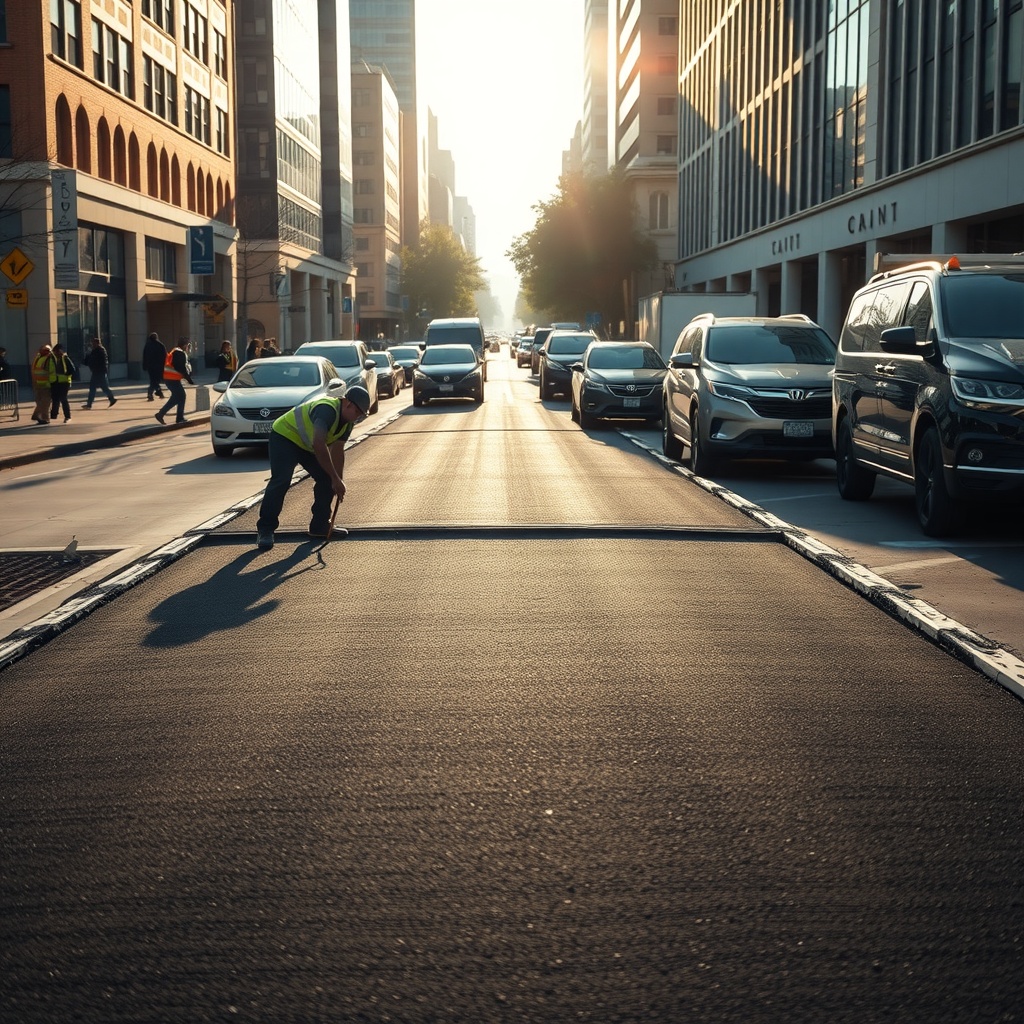
Affordable asphalt paving techniques matter because they can considerably reduce costs without sacrificing quality. When you focus on cost efficiency, you’re not just making a smart financial decision; you’re also guaranteeing that your project stands the test of time.
By selecting the right methods and materials, you can maximize project longevity, meaning less frequent repairs and replacements down the line. Understanding these techniques helps you make informed choices that fit your budget while still delivering a durable surface.
This balance between affordability and durability is essential, especially for businesses that rely on smooth, safe surfaces for operations. Investing in affordable methods today can lead to significant savings tomorrow, allowing you to allocate resources elsewhere.
5 Proven Affordable Asphalt Paving Techniques for Every Project
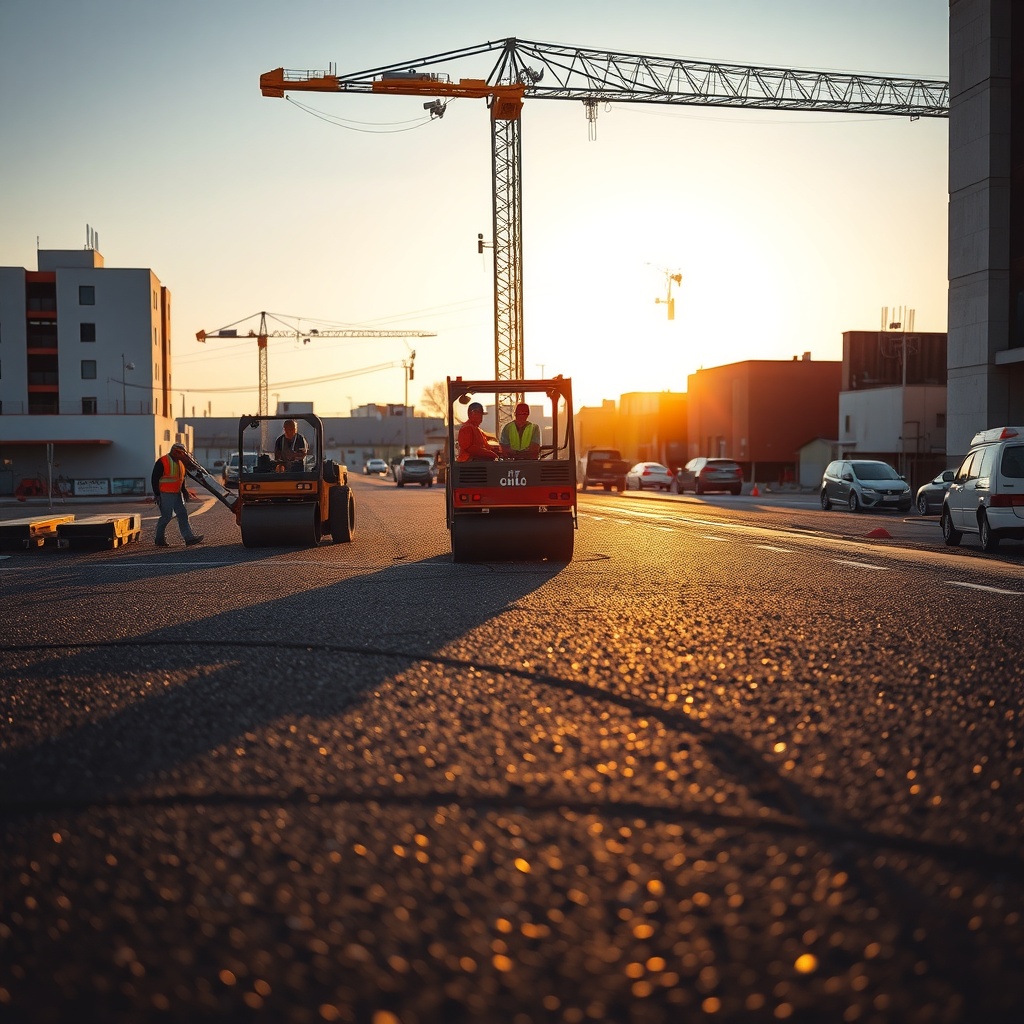
When you’re looking to maximize your paving project’s value, several proven techniques can help you save money while ensuring quality. One effective method is using eco-friendly options, such as recycled asphalt, which reduces costs and minimizes environmental impact. This approach not only saves you money but also contributes to sustainability.
Another valuable strategy is resurfacing. Instead of complete removal and replacement, consider resurfacing your existing pavement. This technique involves adding a new layer of asphalt over the old surface, enhancing durability without the hefty price tag. It’s particularly beneficial for minor damages and cracks, extending the life of your pavement.
Additionally, proper maintenance plays an essential role in reducing long-term expenses. Regular inspections and timely repairs can prevent bigger issues down the line.
Choosing the Best Asphalt Paving Technique for Your Needs
How do you determine the best asphalt paving technique for your specific needs? Start by examining the type of paving materials that suit your project.
Consider factors like the traffic load, climate, and desired lifespan of the pavement. For instance, if you’re paving a parking lot, you might opt for a thicker layer of asphalt to handle heavy vehicles.
Next, evaluate your project budget. Different techniques come with varying costs, so it’s essential to align your choice with what you can afford.
Techniques like sealcoating can extend the life of your asphalt, providing long-term savings.
Finally, consult with a professional to gain insights on the best options tailored to your circumstances. They can help you weigh the pros and cons of each technique, ensuring you make an informed decision that balances quality and cost-effectiveness.
Common Mistakes to Avoid When Paving With Asphalt
Paving with asphalt can be straightforward, but many people make critical mistakes that can lead to costly repairs down the line. One common error is neglecting proper surface preparation. If you don’t clear debris, fill in cracks, or guarantee a solid base, the asphalt won’t adhere properly, leading to premature damage.
Another mistake is using inadequate paving equipment. Relying on outdated or poorly maintained machines can result in uneven surfaces and poor quality. Always invest in the right tools for the job.
Additionally, many underestimate the importance of temperature. Asphalt needs to be laid at the right temperature to guarantee proper compaction. If it’s too cold, it won’t set correctly.
Finally, don’t rush the curing process. Allow your asphalt to set before allowing traffic, as this will extend its lifespan and save you from future headaches.
Avoiding these mistakes will help you achieve a durable and professional-looking asphalt surface.
Maintenance Tips to Extend Your Asphalt Paving’s Life
Extend the life of your asphalt paving with regular maintenance that keeps it looking great and functioning properly. One of the best ways to protect your investment is through sealcoating. The sealcoating benefits include shielding your asphalt from UV rays, water, and chemicals, which can cause cracking and deterioration over time. Aim to sealcoat every 2-3 years for maximum protection.
Additionally, address any potholes promptly. Ignoring them not only compromises safety but can also lead to more extensive damage and costly repairs. Regularly inspect your pavement for cracks or irregularities, and fill them as needed to prevent further issues.
Lastly, keep your paving clean. Remove debris and oil spills, as these can break down the asphalt.
Frequently Asked Questions
What Is the Average Lifespan of Asphalt Paving?
Asphalt paving typically lasts 15 to 20 years with proper care. By following asphalt maintenance tips and conducting a paving cost analysis, you can maximize its lifespan and minimize future expenses effectively.
How Do Weather Conditions Affect Asphalt Paving?
Weather conditions greatly impact asphalt paving. Extreme temperatures can affect curing and compaction, while moisture can lead to weakening. You should always consider these factors to guarantee durability and longevity of your asphalt surface.
Can Asphalt Be Recycled After Its Lifespan?
Yes, asphalt can be recycled after its lifespan. You’ll find that asphalt recycling offers significant environmental benefits, reducing waste and conserving resources. It’s a sustainable choice that supports both your budget and the planet.
What Permits Are Needed for Asphalt Paving Projects?
You’ll typically need permits for asphalt paving projects, including asphalt regulations that vary by location. Don’t forget to schedule paving inspections to confirm compliance and quality, keeping your project on track and up to code.
How Do I Choose a Contractor for Asphalt Paving?
To choose a contractor for asphalt paving, evaluate their qualifications, ask about past projects, and confirm they meet your timeline needs. Always seek references and verify they’re licensed and insured for your peace of mind.
Final Thoughts
Affordable asphalt paving for businesses comes down to choosing techniques that reduce upfront spend while protecting long-term performance. Strategies like recycled asphalt, targeted asphalt repair, and cost-saving asphalt resurfacing can deliver strong results without the price tag of a full replacement, especially when the base is still in good shape. Pair that with a proactive maintenance cycle—most importantly, routine asphalt sealcoating—and you can extend pavement life, reduce liability risk, and avoid disruptive emergency fixes that cost more in the long run.
At All Around Asphalt, we help businesses choose the best-fit approach based on traffic volume, site conditions, and budget. Whether you’re planning a new installation through our commercial asphalt paving services, upgrading a high-use area with parking lot paving, or looking for a phased plan that prioritizes the most critical sections first, our team will map out options that balance cost, durability, and downtime.
If you want a practical recommendation and a clear quote tailored to your property, reach out through our Contact Us page to schedule a consultation.