
When it comes to asphalt paving techniques, you’ll notice key differences between hot mix and cold mix. Hot mix is produced at higher temperatures, making it durable for heavy traffic, while cold mix is easier to handle and ideal for cooler weather repairs. Base layers are essential for strength, and weather influences installation success. Costs vary due to materials and labor, with eco-friendly options on the rise. There’s much more to explore, so keep going!
Key Takeaways
- Material Type: Hot mix asphalt is used for new construction, while cold mix asphalt is ideal for repairs and patching in cooler weather.
- Temperature Sensitivity: Hot mix asphalt requires high temperatures for production, whereas cold mix can be handled in cooler conditions without heating.
- Installation Techniques: Traditional methods rely on manual labor, while modern techniques utilize advanced machinery for efficiency and consistent quality.
- Durability: Hot mix asphalt provides a stronger bond and durability for heavy traffic areas, while cold mix is less resilient under heavy loads.
- Environmental Impact: Eco-friendly options, like warm mix and recycled asphalt, reduce energy consumption and promote sustainable practices in construction.
Key Asphalt Paving Techniques: Hot Mix vs. Cold Mix
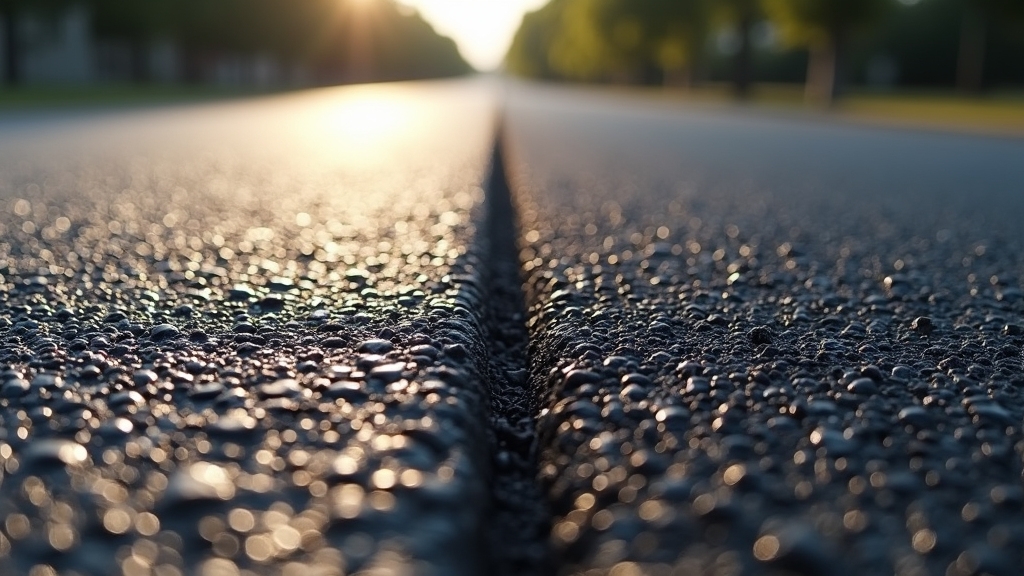
When considering asphalt paving techniques, understanding the differences between hot mix and cold mix is essential for achieving the best results.
Hot mix asphalt, produced at high temperatures, offers several advantages. It’s more durable and provides a stronger bond, making it ideal for heavy traffic areas or new road construction. If you’re looking for longevity and performance, hot mix is often the best choice.
Hot mix asphalt delivers superior durability and strength, making it the go-to option for heavy traffic and new constructions.
On the other hand, cold mix asphalt serves specific applications. It’s typically used for patching and repair work, especially in cooler weather conditions.
Because it’s easier to handle and can be applied without heating, cold mix is perfect for quick fixes on low-traffic areas or temporary repairs.
Understanding the Role of Base Layers in Longevity
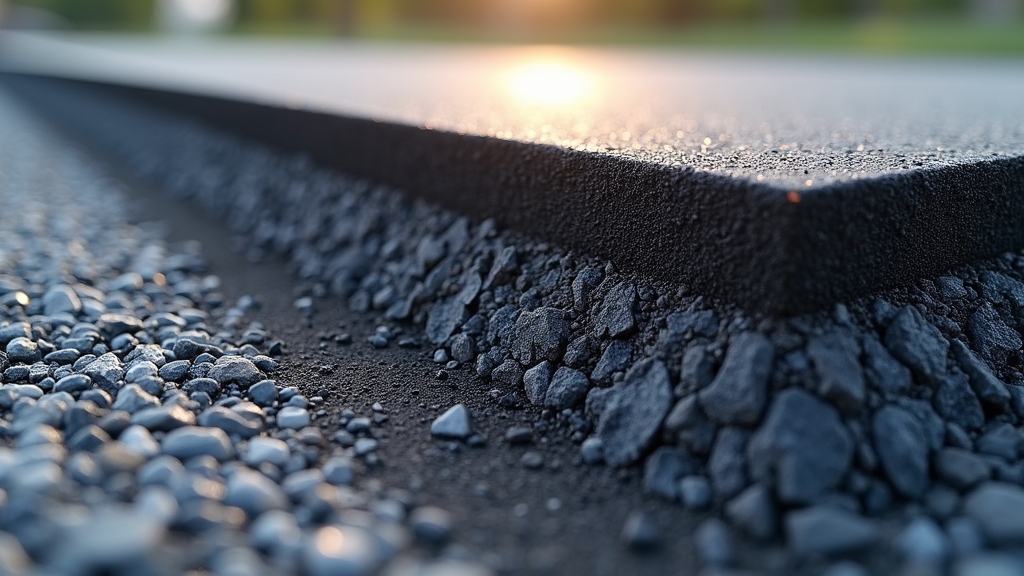
Although many may overlook it, the base layer plays an essential role in the longevity of asphalt paving. This layer provides significant support, distributing the weight of traffic and preventing cracks and depressions from forming. Without a strong base, the surface layer tends to fail more quickly, leading to costly repairs.
One of the key longevity factors is the material used in the base layer. Properly compacted gravel or crushed stone can enhance drainage, which reduces moisture accumulation and further extends the lifespan of the pavement.
Additionally, ensuring the base layer is level and well-graded prevents uneven settling over time.
Investing in a quality base layer not only improves durability but also minimizes maintenance needs. By understanding the base layer importance, you can make informed decisions that contribute to the long-term success of your asphalt paving projects.
Prioritize this foundational element for better performance and longevity.
The Impact of Weather on Asphalt Paving
Weather plays an essential role in the performance and durability of asphalt paving, as temperature fluctuations and precipitation can greatly affect the material’s integrity. When you’re planning your project, consider the weather conditions to guarantee optimal results.
Temperature effects can lead to issues like softening in high heat or brittleness in the cold. Humidity impacts the curing process, so it’s vital to monitor moisture levels during installation.
Seasonal considerations also matter; for example, rain influence can disrupt your timeline and cause complications if the asphalt isn’t properly protected. The freeze-thaw cycle can damage the surface, leading to cracks and other failures.
Wind considerations are important too, as strong gusts can cool the asphalt too quickly, affecting compaction. Proper site preparation, including addressing drainage and grading, can mitigate some of these weather-related challenges, guaranteeing a lasting and durable asphalt surface.
Essential Equipment for Asphalt Paving Projects
When you’re tackling an asphalt paving project, having the right equipment is vital for success.
You’ll need to understand the role of paving machines, compactors, rollers, and material transport equipment to guarantee a smooth and efficient process.
Let’s break down each of these essential tools and their importance in your paving efforts.
Paving Machines Overview
Paving machines are the backbone of any asphalt paving project, streamlining the process and ensuring a smooth finish.
With paving technology advancements and machine efficiency improvements, these machines play an essential role in achieving high-quality results.
Here are some key types of paving machines you should know:
- Asphalt Pavers: Lay down asphalt evenly and efficiently.
- Material Transfer Vehicles: Move asphalt from trucks to pavers, minimizing temperature loss.
- Graders: Prepare and level the surface before paving begins.
- Screeds: Compact and smooth the asphalt during the paving process.
Understanding these machines will help you appreciate their impact on project timelines and overall quality, making your paving endeavors more effective and reliable.
Compactors and Rollers
Compactors and rollers are critical components of successful asphalt paving projects, ensuring the surface is properly compacted for durability and performance.
You’ll encounter various compactor types, including vibratory and static models, each designed for specific applications. Vibratory compactors are particularly effective for granular materials, while static types work well for asphalt.
Choosing the right roller size matters too—smaller rollers are great for tight spaces and edges, while larger ones can cover extensive areas more efficiently.
By understanding these tools and their functions, you can achieve a smooth, even surface that meets project requirements.
Proper use of compactors and rollers not only enhances the quality of your asphalt but also extends its lifespan, making your investment worthwhile.
Material Transport Equipment
Efficient transportation of materials is essential for successful asphalt paving projects.
When you consider transport logistics, choosing the right material transport equipment can greatly enhance equipment efficiency and overall project timelines.
Here are some key pieces of equipment you should consider:
- Dump Trucks: Ideal for delivering hot mix asphalt quickly and effectively.
- Pavers: These machines spread asphalt uniformly, ensuring a smooth finish.
- Skid Steers: Versatile for handling various materials and maneuvering in tight spaces.
- Trailers: Useful for transporting smaller equipment and tools to the job site.
Installation Methods: Traditional vs. Modern Techniques
While both traditional and modern techniques for asphalt installation aim to create durable surfaces, they differ markedly in approach and technology. Traditional techniques often rely on manual labor and basic machinery, making the process time-consuming and labor-intensive. In contrast, modern innovations leverage advanced machinery and technology, allowing for quicker and more efficient installations.
| Aspect | Traditional Techniques | Modern Innovations |
| Equipment | Basic rollers and pavers | Automated, GPS-guided pavers |
| Labor | High manual labor | Reduced labor with automation |
| Installation Time | Longer due to manual methods | Quicker with technology |
| Surface Quality | Variable, dependent on skill | Consistent, high-quality finish |
Understanding these differences can help you make informed decisions when planning your asphalt paving project. Choose wisely to guarantee the best outcome for your needs.
Essential Maintenance: When to Sealcoat or Repair Asphalt?
Asphalt maintenance is essential for its longevity, and knowing when to sealcoat or repair can save you money down the line.
Look out for signs of deterioration, like cracks and fading, to determine the best timing for sealcoating.
Understanding the various repair methods will help you keep your asphalt in top shape.
Signs of Asphalt Deterioration
When you notice cracks, fading, or uneven surfaces on your pavement, it’s crucial to assess the signs of asphalt deterioration.
Ignoring these issues can lead to more significant damage and costly repairs. Here are some key indicators to watch for:
- Crack formation: Small cracks can widen over time, allowing water infiltration.
- Surface raveling: If you see loose aggregate or a rough texture, the asphalt’s integrity is compromised.
- Discoloration: A faded appearance often indicates UV damage and oxidation.
- Potholes: These can form from poor drainage and freeze-thaw cycles, requiring immediate attention.
Best Timing for Sealcoating
The best time to sealcoat your asphalt is typically during the warmer months, preferably between late spring and early fall. During this period, you’ll find favorable conditions for the sealcoat to cure properly, enhancing its longevity. Avoid sealcoating during extreme temperatures or wet weather, as this can compromise the application.
Here’s a quick reference table for ideal sealcoating timing:
| Season | Ideal Temp (°F) | Notes |
| Late Spring | 50-90 | Great for new applications |
| Summer | 70-90 | Make sure no rain is forecasted |
| Early Fall | 50-80 | Prevents winter wear |
| Late Fall | 40-60 | Last chance before winter |
| Winter | N/A | Not recommended |
Repair Methods Overview
While regular sealcoating helps protect your asphalt, knowing when to repair it’s equally essential for maintaining its integrity.
Timely repairs can extend the lifespan of your pavement and prevent costly replacements. Here are some key points to evaluate:
- Patching Techniques: Use methods like hot or cold patching for cracks and holes.
- Surface Treatments: Apply treatments like chip seal or slurry seal to rejuvenate worn surfaces.
- Visual Inspections: Regularly check for signs of distress, such as cracking or pooling water.
- Weather Impact: Be aware of how temperature and moisture can affect your asphalt’s condition.
Understanding Costs: What Affects Asphalt Paving Prices?
Several factors influence asphalt paving prices, making it essential to understand what drives these costs. One of the primary asphalt pricing factors is the quality of materials. Higher-quality asphalt can lead to longer-lasting surfaces, but it also comes with a higher price tag. Additionally, labor costs, project size, and geographic location all play significant roles in determining total expenses.
Here’s a simple table that highlights key elements affecting asphalt paving costs:
| Factor | Impact on Price |
| Material Quality | Higher quality increases costs but enhances durability. |
| Labor Costs | Skilled labor may raise prices, especially in high-demand areas. |
| Project Size | Larger projects often benefit from economies of scale, reducing per-unit costs. |
Understanding these elements helps you make informed decisions when planning your paving project.
Eco-Friendly Asphalt Options: What You Need to Know
When considering eco-friendly asphalt options, you’ll find that using recycled materials can greatly reduce environmental impact.
Plus, warm mix asphalt offers benefits like lower energy consumption and reduced greenhouse gas emissions.
Exploring these options can help you make a sustainable choice for your paving projects.
Recycled Material Usage
As you explore eco-friendly asphalt options, you’ll find that using recycled materials not only benefits the environment but also enhances the durability of your pavement.
Recycled asphalt incorporates materials from old roads, reducing waste and conserving resources.
Here are some key points to reflect upon:
- Cost-Effective: Using recycled asphalt can lower overall project costs.
- Environmental Benefits: It markedly reduces the need for new materials, minimizing your carbon footprint.
- Enhanced Performance: Recycled asphalt often provides superior resistance to cracking and deformation.
- Sustainable Practices: Incorporating recycled materials supports a circular economy and promotes sustainability in construction.
Warm Mix Asphalt Benefits
Recycled materials are just one part of the growing trend toward eco-friendly asphalt solutions. Warm mix asphalt (WMA) offers several benefits that enhance both environmental impact and cost efficiency. By using lower temperatures during production, WMA reduces energy consumption and greenhouse gas emissions. You’ll find that its workability allows for longer paving seasons, ultimately saving time and resources.
| Benefit | Description |
| Lower Emissions | Reduces greenhouse gases during production |
| Energy Savings | Uses less fuel, cutting energy costs |
| Extended Paving Seasons | Allows for work in cooler temperatures |
| Improved Durability | Enhances lifespan and reduces maintenance needs |
Considering warm mix asphalt for your projects can lead to a more sustainable and economical choice.
Hiring Pros vs. DIY Paving: Which Is Best?
How do you decide between hiring professionals and tackling asphalt paving yourself? Weighing the pros and cons is essential for making the right choice. A cost comparison can help clarify your options, but don’t forget to take into account the quality of work and time involved.
- Professionals: They bring expertise and equipment, ensuring a high-quality finish.
- DIY: It can save you money, but you’ll need to invest time and effort.
- Quality: Pros usually guarantee their work, while DIY might lead to mistakes if you lack experience.
- Time: Hiring pros may mean quicker completion, whereas DIY could stretch over several weekends.
Ultimately, your decision should align with your budget, desired outcome, and willingness to invest time and effort.
Making Informed Decisions: Choosing Your Asphalt Paving Method
When you’re ready to pave your driveway or parking lot, what method will give you the best results? Choosing the right asphalt paving method depends on several factors, including the asphalt types available and your project timelines.
You’ll want to take into account whether you’re opting for hot mix, warm mix, or cold mix asphalt. Each type has its pros and cons, affecting durability, cost, and installation time.
If you need quick results, cold mix might be your best bet for minor repairs, but it won’t last as long as hot mix. On the other hand, if you have a larger project and can afford a longer timeline, hot mix provides superior strength and longevity.
Ultimately, weigh your needs against the different asphalt types to make an informed decision. Doing so guarantees you choose a paving method that fits your budget, time constraints, and desired quality.
Frequently Asked Questions
How Long Does Asphalt Typically Last Before Needing Maintenance?
Asphalt typically lasts around 15 to 20 years before needing maintenance. To maximize its lifespan, you should follow a regular maintenance schedule, including sealcoating and patching, ensuring your surface remains in good condition.
What Is the Best Time of Year for Asphalt Paving?
The best time for asphalt paving is late spring to early fall. During these months, warmer temperatures create ideal conditions, minimizing seasonal considerations and ensuring better adhesion and durability for your asphalt surfaces.
Can Asphalt Be Installed Over Existing Pavement?
Yes, you can install asphalt over existing pavement. This overlay offers benefits like cost savings and quicker installation, but be aware of challenges like ensuring a stable base and preventing drainage issues to achieve lasting results.
How Does Traffic Affect Asphalt Curing Time?
Traffic patterns directly impact asphalt curing time. If heavy traffic occurs too soon, it can disrupt curing conditions, leading to potential damage. It’s best to minimize traffic on newly paved surfaces for ideal results.
What Are the Signs of Poor Asphalt Installation?
You’ll notice signs of poor asphalt installation through cracking patterns and drainage issues. If water pools or the surface shows uneven wear, it’s likely that the installation wasn’t done properly, leading to costly repairs.
Final Thoughts
In conclusion, understanding the key differences in asphalt paving techniques empowers you to make smarter decisions for your project. Whether you choose hot mix asphalt for long-lasting performance or cold mix for targeted repairs, it’s essential to factor in base layer quality, weather conditions, and traffic demands to maximize durability. Considering modern equipment, eco-friendly options like recycled or warm mix asphalt, and the true cost of DIY versus professional installation all play a role in getting the best results from your paved surface.
If you’re ready to apply these insights to your driveway, roadway, or parking lot, the experts at All Around Asphalt can help you choose the right mix and method for your needs. Their team provides professional residential asphalt paving, parking lot paving, asphalt resurfacing, and long-term protection through asphalt sealcoating and asphalt repair.
Ready to move from research to results? Reach out to All Around Asphalt today to discuss your project, compare paving options, and get a customized plan that fits your budget and timeline. You can get started by visiting their contact page or calling 862-283-9101 to request a consultation and quote.