
You can cut asphalt’s footprint by using warm‑mix to lower production temps and emissions while improving compaction. Blend in RAP/RAS with tight stockpile control to reuse materials and save costs. Try bio‑based binders like lignin or algae to trim petroleum and burner fuel. Optimize mix design for durability, then upgrade plants with moisture control, VFDs, and heat recovery. Choose permeable or cool pavements to manage storms and heat. Track CO2e with EPDs and real‑time data to realize further gains.
Key Takeaways
- Warm-mix asphalt lowers production temperatures 30–100°F, cutting fuel use, emissions, odors, and improving worker comfort and compaction efficiency.
- High-quality RAP/RAS blends reduce virgin materials and landfill waste while maintaining performance through strict stockpile management and testing.
- Bio-based binders (e.g., lignin, algae) replace part of bitumen, lowering carbon intensity with proven equipment compatibility and QC controls.
- Optimized mix designs and cool/permeable pavements enhance durability, reduce heat island effects, and manage stormwater with routine maintenance.
- Energy‑efficient plants use moisture control, heat recovery, VFDs, and real‑time CO2e tracking to minimize fuel consumption and onsite emissions.
Warm-Mix Asphalt: Lower Temperatures, Lower Emissions

Cutting asphalt’s production temperature without cutting performance is the promise of warm-mix asphalt (WMA).
You heat and place mixes at 30–100°F lower than hot-mix, which trims fuel use and greenhouse gases at the plant and the site.
Cut production and placement temps by 30–100°F to slash fuel use and greenhouse gases.
You still meet compaction targets because additives, foaming, or organic waxes improve workability at reduced temperatures.
On the job, you’ll notice faster starts and longer paving windows.
Cooler mixes reach density with fewer passes, so Paving Equipment burns less fuel and experiences less wear.
Lower stack emissions and reduced odors improve air quality around the paver, directly boosting Worker Comfort and safety.
Crews communicate better without heat haze and can work closer to sensitive areas like schools or hospitals.
Logistically, WMA extends haul distances and tolerates cool or damp conditions, cutting schedule risk.
You also reduce binder aging, which can enhance durability and resist thermal cracking.
Specify WMA-compatible binders, calibrate foaming systems, and verify density with standard QC tests.
Reclaimed Asphalt Pavement and Shingles: Maximizing Reuse
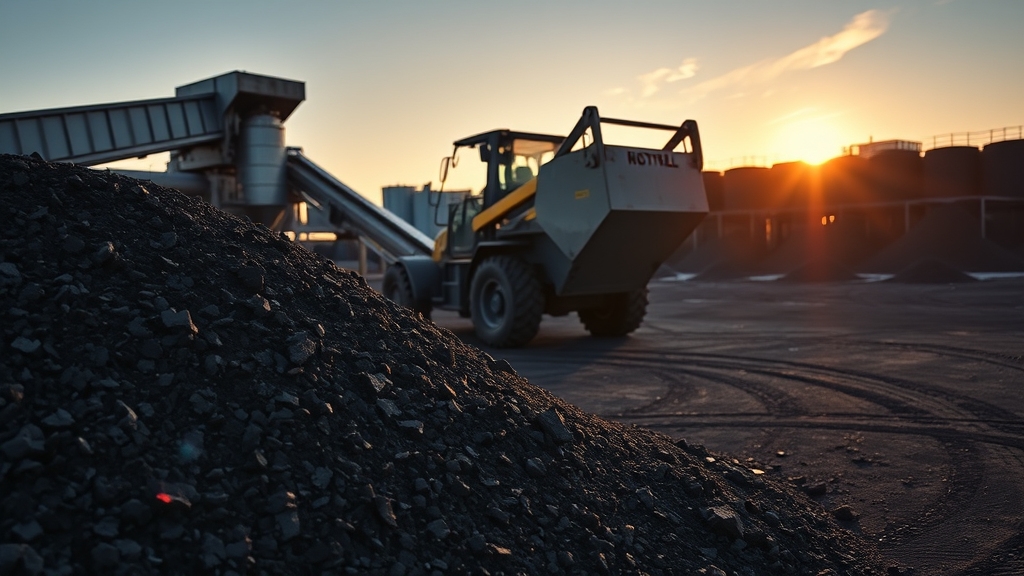
While you’re lowering emissions and costs, don’t overlook the material already in the roadway. Reclaimed Asphalt Pavement (RAP) and Recycled Asphalt Shingles (RAS) let you replace virgin aggregate and binder with proven, durable resources.
You mill, crush, and screen to consistent gradations, then blend with new mix to meet performance targets. The key is disciplined stockpile management: segregate by source, control moisture, test binder content, and rotate inventories so quality stays predictable and specifications are met.
Start with conservative RAP/RAS percentages, verify volumetrics, and track field performance. Use fractionated RAP to fine-tune gradation and limit variability. Preheating and proper plant configurations help achieve uniform coating without aging the binder.
Document savings in materials, trucking, and landfill diversion to support market development and win stakeholder confidence.
Close the loop by writing clear procurement specs, certifying suppliers, and training crews. When you manage inputs and data well, RAP and RAS deliver reliable pavements and measurable environmental gains.
Bio-Based and Renewable Binders: Reducing Petroleum Dependence
Looking beyond petroleum, you can lower carbon intensity and stabilize costs by incorporating bio-based and renewable binders into asphalt mixes.
These alternatives replace a portion of virgin bitumen with plant- or algae-derived materials that are readily renewable and often sourced from byproducts.
Lignin binders, extracted from wood processing, add stiffness and resist oxidation, helping pavements maintain performance while shrinking fossil input.
Algae emulsions offer low-temperature workability and rapid curing, reducing burner fuel and emissions during placement.
You’ll also reduce exposure to price volatility tied to crude markets.
Field pilots show compatible blending with existing equipment, so crews don’t need new plants or retraining—just clear specifications and QC.
1) Feel relief as you cut greenhouse gases without sacrificing smooth rides.
2) Take pride in turning waste streams—like lignin—into lasting infrastructure.
3) Inspire communities by proving algae emulsions can pave cleaner roads today.
Specify source verification, storage stability, and dosage windows to guarantee consistent results.
Optimized Mix Design for Durability and Longer Life Cycles
You boost pavement longevity when you balance aggregate gradation for tight interlock and minimal voids.
You set optimized binder content to resist rutting and cracking without wasting material.
You guarantee consistency by using performance-based specifications that tie mix design to measurable field results.
Balanced Aggregate Gradation
Balancing aggregate gradation is central to designing asphalt mixes that last longer and perform better.
When you select and proportion sizes to improve particle packing, you reduce air voids, limit deformation, and curb cracking.
You also stay within gradation tolerances to keep performance predictable across projects and seasons.
Balanced blends resist moisture damage, reduce maintenance cycles, and support smoother, quieter pavements—benefits you can measure over the life of the roadway.
Here’s why it matters to you:
1) You feel confident knowing each stone has a job, interlocking to share load and stop rutting before it starts.
2) You gain pride in consistent results, because tight gradation tolerances cut variability and surprise failures.
3) You protect budgets and communities by extending pavement life and lowering resource use.
Optimized Binder Content
While aggregate skeleton carries the load, optimized binder content locks it together and guards against aging, raveling, and cracking. You aim for enough asphalt to coat every particle with proper Film Thickness, yet not so much that the mix bleeds or shoves. Start by bracketing a target binder range, then validate with lab compaction, moisture conditioning, and Rut/CT index checks. Use Rheology Testing to confirm the binder resists temperature swings and oxidative hardening. The result: fewer crack repairs, longer life, and lower emissions over time.
| Factor | What you look for |
| Film Thickness | Uniform coating that resists raveling without bleeding |
| Air voids | Stable 3–5% for durability and crack tolerance |
| Binder rheology | Temperature-balanced stiffness and flexibility |
Performance-Based Specifications
With binder content optimized, the next step is proving the mix will perform in the real world.
You adopt performance-based specifications to link design decisions to measurable outcomes.
Instead of prescribing ingredients, you define targets—rutting resistance, cracking tolerance, moisture sensitivity—and let innovation meet them.
Outcome metrics guide acceptance and payment, so you reward durability, not just delivery.
You also gain contract flexibility, enabling continuous improvement without rewriting standards.
You test, calibrate, and verify in the lab and field, then adjust gradation, modifiers, and air voids to hit long-life thresholds.
This approach cuts waste, extends pavement life, and reduces lifecycle emissions.
1) Fewer repairs, less disruption, cleaner air.
2) Longer life cycles, smarter spending, safer roads.
3) Transparent metrics, fair incentives, shared accountability.
Energy-Efficient Production and Plant Upgrades
Driving down energy use at the asphalt plant starts with smarter production and targeted upgrades.
You can begin by auditing burners, dryers, and controls to spot wasted fuel and airflow imbalances.
Then, tune aggregate moisture management—covered stockpiles and preheating reduce dryer load and cut gas bills.
Next, capture wasted heat.
A well-designed heat recovery system can preheat combustion air, warm RAP, or support building heat, trimming fuel without sacrificing mix quality.
Upgrade to variable-frequency drives on fans and conveyors to match power to demand.
Modern PLCs and real-time sensors optimize drum temperature, residence time, and baghouse draft, preventing over-drying and blue smoke.
Consider an electrification retrofit where grid or renewable power is reliable.
Electric burners, hot oil heaters, and induction-preheat systems improve efficiency and maintenance intervals while lowering onsite emissions.
Finally, schedule smarter: batch during off-peak hours, run consistent mix campaigns, and calibrate silos to minimize idle time and reheat cycles.
Permeable and Cool Pavements for Urban Heat and Stormwater
Even as cities heat up and flood risks rise, you can cool streets and soak up stormwater by pairing permeable asphalt with high-reflectance “cool” mixes.
Cool streets, drier blocks: pair permeable asphalt with high-reflectance mixes to tame heat and storms.
Permeable pavements let water pass through the surface into a stone reservoir, easing peak flows and filtering pollutants.
Cool pavements reflect sunlight to lower surface temperatures, easing heat islands and improving comfort.
Together, they cut splash, reduce ponding, and protect nearby waterways.
Use Albedo management to select lighter aggregates and binders that boost reflectivity without glare.
Match surface porosity with subgrade capacity, and add Infiltration landscaping—rain gardens, bioswales, and tree pits—to receive overflow and recharge soils.
Maintain performance with routine vacuum sweeping to keep pores open.
1) Feel relief when summer streets radiate less heat.
2) Feel secure as storms pass and intersections stay passable.
3) Feel pride when your block manages water where it falls.
Plan details early: traffic loading, snow practices, and maintenance cycles.
Digital Tools and EPDs for Measuring and Cutting Carbon
You can use real-time carbon tracking tools to see emissions for each mix, haul, and pass as they happen.
With clear EPDs, you’ll compare suppliers and binders and pick options that cut embodied carbon without sacrificing performance.
Tie these together, and you’ll design, bid, and verify low-carbon asphalt with data you can defend.
Real-Time Carbon Tracking
Tracking carbon in real time turns asphalt from a static material choice into a dynamic emissions system you can monitor, manage, and improve.
You pull live data from plants, trucks, and pavers using Onsite Monitoring—fuel use, mix temperatures, haul distances, and idle time.
Dashboards convert those signals into CO2e, so you can act: lower temps, reschedule deliveries, or tweak recycled content.
You don’t wait for end-of-project reports; you cut emissions while work proceeds, backed by Independent Verification to keep claims credible and auditable.
1) See the truth: real numbers beat assumptions and reveal hidden waste.
2) Take control: fast feedback turns small adjustments into measurable carbon drops.
3) Lead with confidence: transparent tracking builds trust with clients, communities, and regulators.
Epd-Driven Design Choices
While real-time data shows where emissions occur, EPD‑driven design tells you how to cut them before paving starts.
You use Environmental Product Declarations to compare mixes, binders, and additives on carbon, not just cost.
Digital tools let you model scenarios, test suppliers, and lock in low‑impact options early.
Start by checking lifecycle boundaries.
Are they cradle‑to‑gate or cradle‑to‑site?
Broader scopes reveal hidden hot spots like transport or energy‑intensive drying.
Insist on third party verification so the numbers stand up to scrutiny and align with your specs.
Then optimize: increase reclaimed asphalt content, select warm‑mix technologies, and favor local aggregates.
Simulate haul distances, plant fuel choices, and thickness reductions.
Finally, document design assumptions so procurement, bidding, and construction deliver the carbon savings you targeted.
Frequently Asked Questions
How Do Eco-Friendly Asphalts Impact Project Costs and Bid Competitiveness?
They can lower long-term costs through Lifecycle Valuation while slightly increasing upfront expenses. You gain Market Differentiation, qualify for sustainability-minded clients, and reduce maintenance budgets, improving bid competitiveness with credible data, incentives, and durability benefits that strengthen your pricing story without sacrificing performance.
What Certifications or Labels Verify Asphalt’s Environmental Performance?
You can verify asphalt’s environmental performance through Ecolabel Standards and Lifecycle Certifications, including EPDs, ISO 14024 Type I labels, Cradle to Cradle, Envision credits, Greenroads, and LEED MR credits. You’ll validate recycled content, emissions, energy, and durability.
How Do Sustainable Asphalt Choices Affect Noise and Ride Quality?
They reduce tire noise and improve ride comfort by optimizing surface texture and aggregate selection. You’ll experience smoother, quieter travel when mixes balance voids, stiffness, and gradation, and when pavements maintain uniformity, proper compaction, and durable binders that limit raveling and deformation.
Are There Grants or Incentives for Green Paving Projects?
Yes—many exist. You can pursue Federal Grants (e.g., DOT, EPA), state clean-transport funds, and local Utility Rebates for recycled materials, warm-mix asphalt, or permeable pavements. Check eligibility, matching requirements, lifecycle metrics, and reporting to strengthen applications.
How Should Municipalities Specify Sustainability in Asphalt Contracts?
Specify sustainability by defining recycled-content minimums, warm-mix usage, EPD/LCAs, and performance metrics. Reference Specification Templates, require buy-clean thresholds, and embed Monitoring Protocols for sampling, audits, and GPS/telematics. Tie payments to verified outcomes, mandate training, and include continuous-improvement and corrective-action clauses.
Conclusion
You’ve got practical, proven ways to make asphalt more sustainable—without sacrificing strength, ride quality, or ROI. By selecting warm-mix asphalt to lower production temperatures, blending in reclaimed materials (RAP/RAS), and adopting bio-based binders, you cut fuel use, emissions, and raw-material demand in one step. Optimize your mix for durability, upgrade plants for efficiency, and specify permeable or cool pavements to manage stormwater and reduce urban heat. Finally, track your progress with EPDs and real-time CO₂ data so every project earns measurable, verifiable environmental gains.
AtAll Around Asphalt, sustainability isn’t a buzzword—it’s built into ourcommercial asphalt paving,resurfacing, andsealcoating services. We engineer eco-friendly mixes, incorporate recycled content responsibly, and use energy-efficient equipment to deliver greener, longer-lasting pavements across New Jersey and beyond.
Ready to pave smarter and cleaner? Call 862-283-9101 or visit ourcontact page for a sustainable asphalt assessment and custom low-carbon paving plan that protects your property—and the planet.