
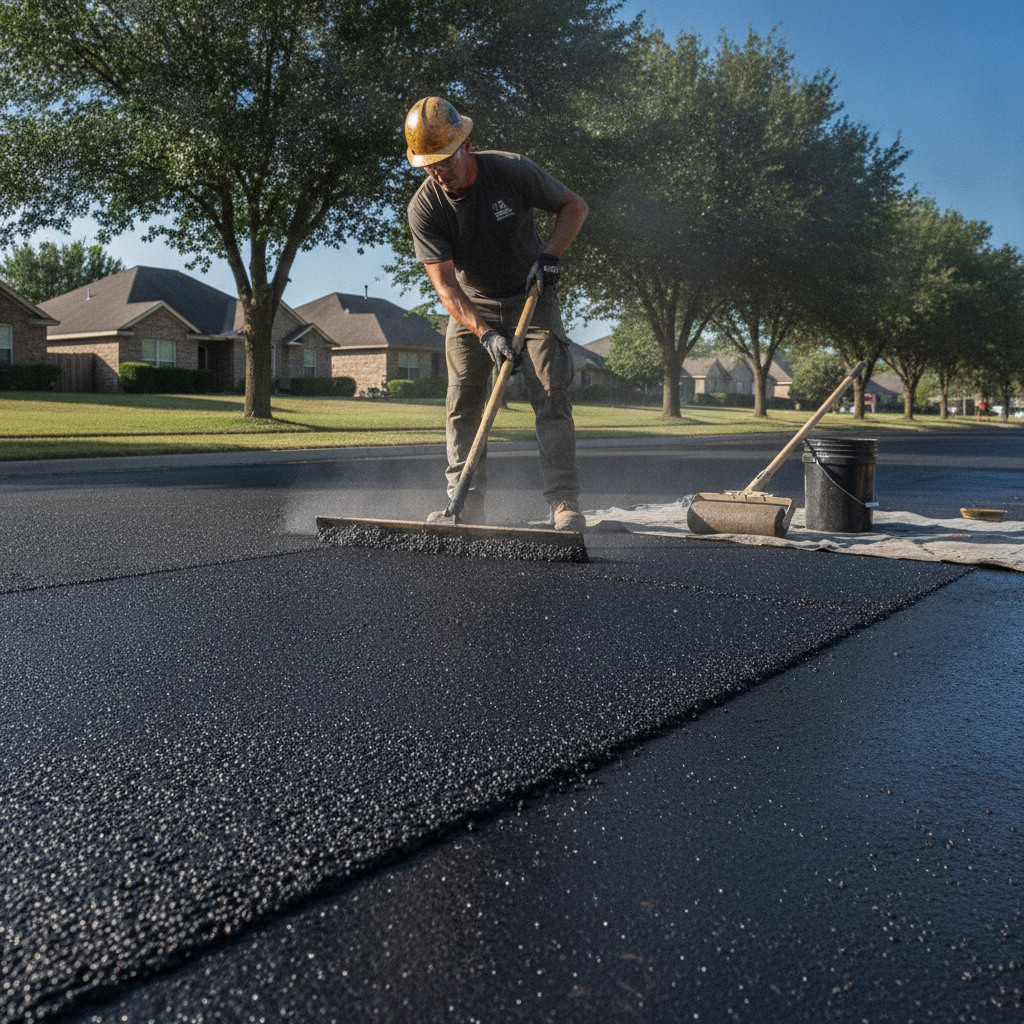
Every pavement tells a story, and the way an asphalt surface looks after a few winters says a lot about how it was built and cared for. Hairline cracks, shallow dips, and fading color are easy to ignore until water finds its way beneath the surface and a small annoyance becomes an expensive failure. Choosing the right Asphalt Paving Company Mahwah NJ property owners can depend on starts with understanding the difference between repairing a surface and resurfacing it, because those two options solve very different problems.
This guide takes a practical, decision-focused look at the entire process. Instead of repeating general maintenance advice, we walk through how to read the warning signs on your own pavement, when a patch is smart and when it is a waste of money, what resurfacing actually involves from start to finish, and how to budget and schedule the work around the region’s freeze-thaw weather. Whether you manage a small retail lot, own a rental property, or simply want your driveway to stop collecting puddles, you will leave with a clearer plan and better questions to ask any contractor. Think of it as a field manual for making confident, informed decisions about the blacktop you rely on every single day.
Reading the Warning Signs on Your Pavement
Pavement rarely fails overnight. It sends signals long before a crisis, and learning to read them can save you thousands. Start with a slow walk across the surface, ideally after a rainstorm when low spots hold water and cracks stand out clearly. Look for the pattern of damage, not just its presence, because the pattern points to the cause.
Long, straight cracks often come from thermal movement and are usually inexpensive to seal. A web of interconnected cracks resembling alligator skin signals that the base beneath the asphalt has weakened. Potholes tell you water has already penetrated the structure. Fading from deep black to pale gray means the binder is oxidizing and the surface is losing flexibility. When you notice several of these at once, it helps to All Around Asphalt for a professional assessment, since a trained eye can separate cosmetic wear from structural trouble before you commit to the wrong fix.
Repair Versus Resurfacing: Knowing Which You Need
The most common and costly mistake property owners make is choosing the wrong remedy. Repair addresses isolated damage: filling cracks, patching potholes, and correcting small failed areas. Resurfacing, sometimes called an overlay, places a fresh layer of asphalt over an existing surface that is still structurally sound but worn, rough, or cosmetically tired.
A useful rule of thumb is this: if the damage covers a small portion of the surface and the base underneath is stable, repair is the economical choice. If damage is widespread yet the foundation remains solid, resurfacing restores the whole surface at a fraction of the price of full replacement. If the base itself has failed, with deep sinking, severe alligator cracking, or repeated pothole returns, neither option will last and reconstruction becomes the honest answer.
Paying for a thick overlay on a failing base simply buries the problem. The new layer will mirror the old cracks within a season or two. A reputable contractor will tell you this plainly, even when a smaller job would be easier to sell.
How Freeze-Thaw Cycles Shape Pavement Decisions in Mahwah
Northern New Jersey weather is tough on asphalt. Water seeps into tiny openings during a mild afternoon, freezes overnight, and expands with enormous force. By morning the crack is slightly wider, and the cycle repeats dozens of times each winter. Road salt adds another layer of stress, accelerating the breakdown of the binder that holds the aggregate together.
This is why timing matters so much for properties in Mahwah. Cracks left open in autumn become potholes by early spring. Repairs completed during the warm season bond far better than cold-weather patches, which are usually temporary fixes designed only to get you through to spring. Hot-mix asphalt needs adequate temperatures to compact properly, so serious resurfacing is best scheduled from late spring through early fall.
Drainage deserves equal attention. Pavement that cannot shed water will fail faster no matter how good the material is. Proper grading during resurfacing keeps runoff moving away from the surface and out of the base layers.
What a Professional Resurfacing Job Actually Involves
Understanding the steps helps you judge whether a quote is complete. A proper resurfacing project is a sequence, and skipping any stage shortens the life of the finished surface. Reliable crews typically follow a process like this:
- Inspect the existing surface and mark areas needing base repair.
- Clean the pavement thoroughly to remove dirt, debris, and loose material.
- Cut out and replace failed sections so the foundation is sound.
- Apply a tack coat so the new layer bonds firmly to the old one.
- Lay hot-mix asphalt to the correct thickness with attention to slope.
- Compact the layer with a roller to achieve density and a smooth finish.
Compaction is the step most often rushed and least often noticed. Poorly compacted asphalt looks fine on day one but ravels and ruts within a couple of years. Ask any contractor how they verify density and thickness before you sign.
Why Local Experience Matters When Hiring a Paving Crew
Asphalt work looks simple from the curb, but quality depends on judgment gained from years on local soil, local drainage patterns, and local weather. A contractor familiar with regional conditions knows how aggressive the frost can be, which base materials hold up, and how municipal requirements may affect larger commercial projects.
When comparing bids, look past the price and ask about experience with properties like yours. A residential driveway has different demands than a delivery lot used by heavy trucks. Working with an established Mahwah NJ asphalt paving contractor gives you a team that has already solved the problems your property is likely to present, from awkward slopes to tight access for equipment.
Ask for references you can actually visit, confirm insurance coverage, and request a written scope that states thickness, materials, and warranty terms. Vague estimates are a red flag every time.
Budgeting Realistically for Asphalt Work
Costs vary widely depending on size, condition, access, and the depth of the work required, so be wary of anyone quoting a flat figure without seeing the site. What you can do is understand the relative cost ladder and plan accordingly. Crack sealing and spot patching sit at the low end. Resurfacing costs more but delivers a renewed surface at far less than full reconstruction. Complete replacement is the most expensive path and the right one only when the base has failed.
The smartest budgeting strategy treats pavement as an asset with a maintenance schedule rather than a surprise expense. Small, regular investments keep you on the cheaper rungs of the ladder for much longer. Deferring minor repairs is the single most reliable way to end up paying for major ones.
Get at least two or three written estimates, and compare scope rather than just totals. A lower bid that skips base repair or uses a thinner layer is not really a lower price.
A Quick Comparison of Your Main Options
The table below summarizes how the common approaches compare so you can match the solution to the condition of your surface. Treat the descriptions as general guidance, since every property differs.
| Option | Best For | Relative Cost | Typical Lifespan Gain |
|---|---|---|---|
| Crack Sealing | Early, narrow cracks | Low | Short to moderate |
| Patching | Potholes, small failed areas | Low to moderate | Moderate |
| Resurfacing | Worn surface, sound base | Moderate | Long |
| Full Replacement | Failed base, widespread damage | High | Longest |
Protecting Your Investment After the Work Is Done
A freshly resurfaced pavement is at its best, and what you do in the first year sets the tone for the next decade. Fresh asphalt needs time to cure, so keep heavy vehicles off for the period your contractor recommends and avoid turning steering wheels while stationary, which can scuff the soft surface.
Once cured, a protective coating adds a barrier against water, oil, and ultraviolet light. If you want to understand when and how to apply one, click here for details on sealcoating options that suit new and aging surfaces alike. Plan to reapply on a regular cycle rather than waiting for visible wear.
Beyond coatings, keep drains clear, trim overhanging branches that drop debris and block sunlight-driven drying, and clean up fuel or oil spills promptly. These small habits cost almost nothing and meaningfully extend the surface.
Appearance, Safety, and Property Value
Pavement is one of the first things visitors, customers, and potential buyers notice, long before they see the building itself. A crisp, dark, well-striped surface signals that a property is cared for, while crumbling edges and patchwork suggest neglect. For businesses, that impression can influence how customers feel about walking through the door.
Safety is the other half of the equation. Uneven surfaces and potholes create trip hazards and expose owners to liability, while standing water in winter becomes sheet ice. Restoring a smooth, well-drained surface reduces accident risk and protects vehicle suspensions, tires, and the people who depend on the space.
If curb appeal is your priority, it is worth reading how Improve Curb Appeal with Asphalt Sealcoating in Mahwah NJ breaks down the visual benefits of a well-maintained, uniformly dark surface.
Special Considerations for Driveways
Residential driveways face a unique mix of stresses: concentrated tire loads at the apron, tree roots pushing up from below, and drainage patterns shaped by the house and landscaping. Because they are smaller, owners often assume the work is trivial, but a driveway done poorly shows its flaws quickly and visibly.
Edges are a common weak point. Without proper support, the perimeter crumbles under the weight of vehicles driving near it. Slope matters too, since a driveway that pitches toward the garage invites water in during heavy storms. A thoughtful resurfacing plan corrects these details rather than simply laying new material over old problems.
Homeowners weighing a larger project can find a thorough overview in Mahwah, NJ Asphalt Driveway Paving: A Complete Guide, which covers materials, thickness, and preparation in more depth.
Commercial Lots and Heavy-Use Surfaces
Commercial pavement carries heavier, more constant loads than any driveway. Delivery trucks, dumpsters, and the daily churn of customer traffic all accelerate wear, and downtime is costly. The goal for a business owner is to schedule work so operations are disrupted as little as possible, often by phasing the project in sections or working during off-hours.
Striping, accessibility markings, and drainage all become part of the job on a commercial lot, and each affects both safety and compliance. A proactive plan that combines periodic inspections, small repairs, and well-timed resurfacing keeps total lifetime cost lower than reacting to each failure as it appears.
Keep records of inspections and work performed. Documentation helps you forecast future budgets, supports warranty claims, and shows due diligence if a slip-and-fall incident ever raises questions about site maintenance.
Your Next Steps
Asphalt is a durable, forgiving material when it is matched to the right treatment at the right time. The path forward is simpler than it first appears. Begin by walking your property and noting what you see: isolated cracks, scattered potholes, widespread wear, or signs of base failure. That simple survey tells you which rung of the repair ladder you are standing on and keeps you from overpaying for work you do not need or underpaying for work that will not last.
Next, gather two or three written estimates and compare them line by line. Look for clear descriptions of preparation, thickness, compaction, and warranty rather than fixating on the bottom-line number. Schedule the work for the warm months, address drainage while the crew is on site, and plan a protective coating once the surface has cured. Small, regular maintenance almost always beats a large emergency bill.
Whether you are protecting a family driveway or a busy commercial lot, the principle is the same: act on early warning signs, choose the remedy that fits the real condition of the pavement, and work with a crew that explains its process openly. Do that consistently, and your pavement will repay the attention with years of smooth, safe, good-looking service, no matter what the winters throw at it.