
To achieve sustainable asphalt paving, start by using recycled asphalt to minimize waste and cut costs. Opt for warm mix asphalt to lower emissions and improve workability. Incorporate eco-friendly binders and additives to enhance durability. Utilize modern machinery for efficient recycling and guarantee proper compaction for longer pavement life. Don’t forget stormwater management features to protect the ecosystem. By engaging your community and sharing knowledge, you’ll foster support for these practices. Discover more tips as you explore further!
Key Takeaways
- Utilize recycled asphalt to reduce waste, lower costs, and promote a circular economy in paving projects.
- Implement warm mix asphalt for lower production temperatures, reducing energy consumption and emissions.
- Use eco-friendly binders and additives to enhance performance and minimize reliance on petroleum-based products.
- Integrate reclaimed asphalt pavement (RAP) to conserve resources while ensuring proper compaction for improved durability.
- Engage the community through workshops and resources to promote awareness of sustainable paving practices.
The Benefits of Using Recycled Asphalt for Sustainable Roads
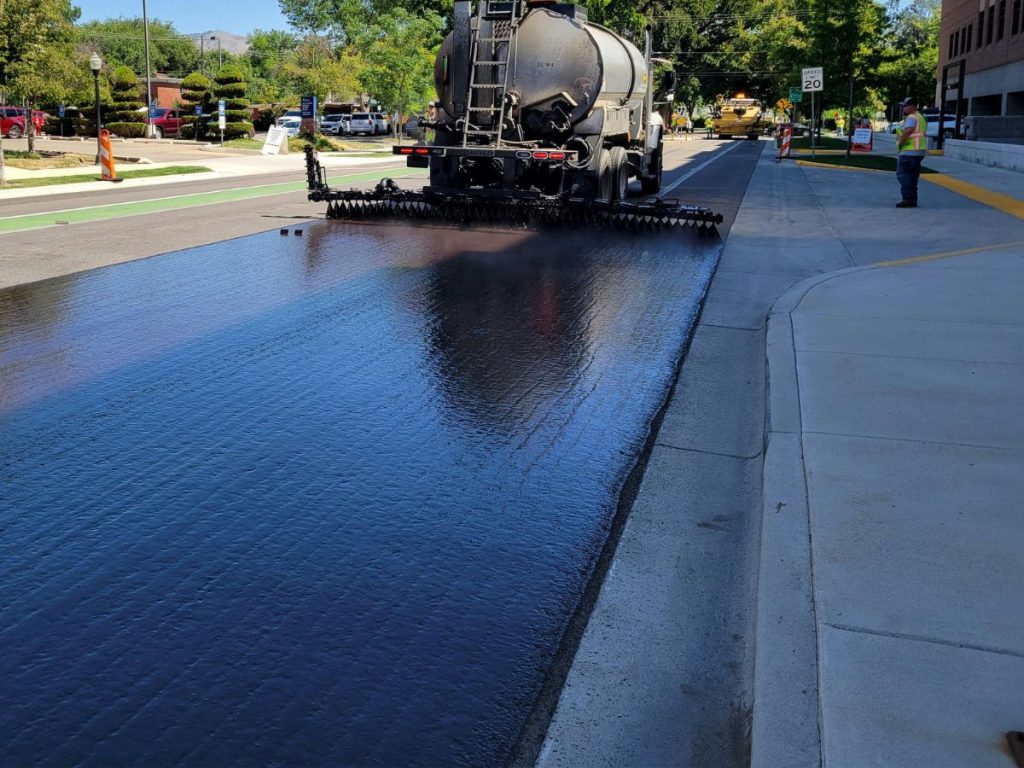
When you consider paving options for sustainable roads, using recycled asphalt can make a significant difference. Not only does it reduce the demand for new materials, but it also minimizes waste in landfills.
The recycled benefits of asphalt are clear: it lowers production costs and decreases the carbon footprint associated with road construction. By utilizing materials that are already available, you’re promoting asphalt sustainability and conserving natural resources.
Recycled asphalt not only cuts production costs but also significantly reduces the carbon footprint of road construction.
Moreover, recycled asphalt performs exceptionally well, offering durability and strength comparable to new asphalt. This means you won’t compromise quality for sustainability.
Implementing recycled asphalt in your projects encourages a circular economy, where materials are reused rather than discarded. As you explore paving choices, remember that the use of recycled asphalt not only enhances your project’s environmental responsibility but also supports a more sustainable future.
Choosing this option is a smart step towards greener infrastructure.
Why Sustainable Warm Mix Asphalt Reduces Emissions?
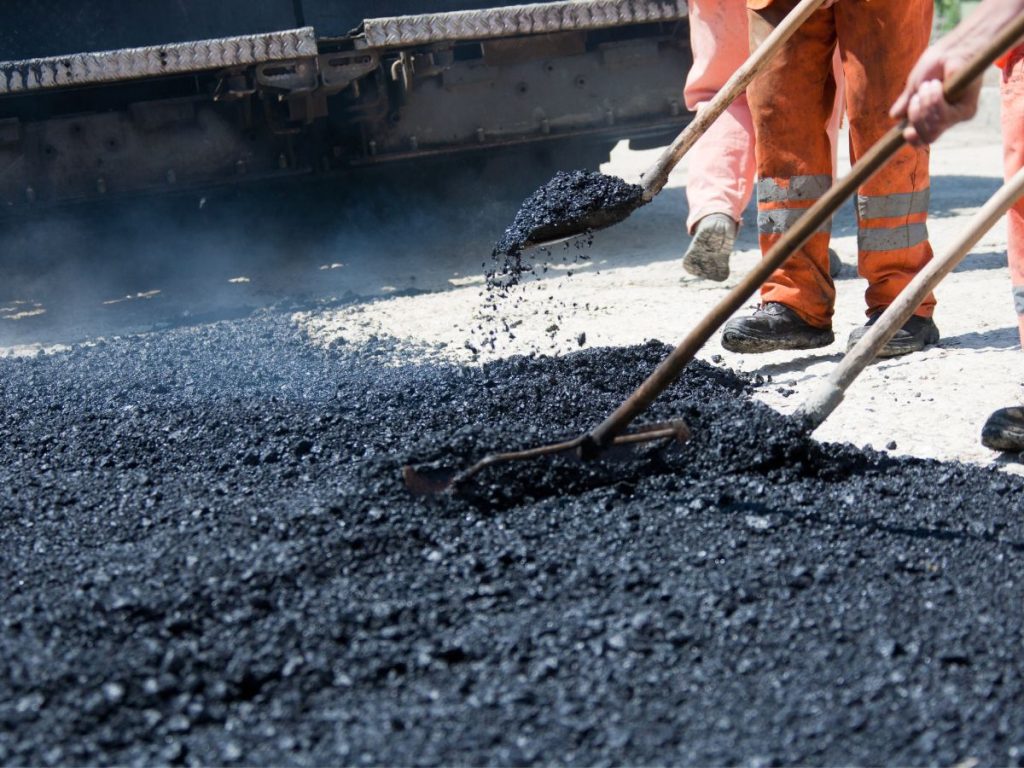
Sustainable warm mix asphalt helps lower production temperatures, which directly cuts down on energy consumption.
By reducing volatile organic compounds, this approach also minimizes harmful emissions.
You’ll find that enhanced energy efficiency makes it a smart choice for both the environment and your budget.
Lower Production Temperatures
Although traditional asphalt production requires high temperatures, using warm mix asphalt (WMA) allows for significant reductions in emissions. By lowering production temperatures, you can enjoy several benefits that enhance sustainability.
Here are three key advantages:
- Energy Savings: Lowering the temperature reduces energy consumption, minimizing fuel use during production.
- Improved Workability: Mixing techniques used in WMA allow for easier handling and placement, making the process smoother.
- Extended Paving Season: WMA can be installed in cooler weather, allowing for more flexibility in project scheduling.
These lower temperature benefits not only reduce emissions but also contribute to a more efficient and effective paving process.
Embracing WMA is a smart choice for environmentally conscious projects.
Reduced Volatile Organic Compounds
Using warm mix asphalt (WMA) not only enhances your paving project’s efficiency but also greatly reduces volatile organic compounds (VOCs) emitted during production.
WMA is produced at lower temperatures, which means fewer volatile emissions escape into the atmosphere. This reduction is essential for improving air quality, as VOCs can contribute to smog and other environmental issues.
By opting for WMA, you’re actively participating in a sustainable approach that benefits both your project and the community. Not only does it help meet environmental regulations, but it also promotes healthier living conditions.
Enhanced Energy Efficiency
By choosing warm mix asphalt (WMA), you not only enhance your project’s energy efficiency but also greatly cut down on emissions. This environmentally friendly option utilizes energy efficient technologies, helping you contribute to sustainable practices.
Here are three key benefits of WMA:
- Lower Production Temperatures: WMA is produced at considerably lower temperatures than traditional asphalt, reducing fuel consumption.
- Reduced Greenhouse Gas Emissions: The cooler mixing process leads to fewer emissions, making your project more eco-friendly.
- Extended Workability: WMA remains workable for longer periods, allowing for efficient application and reducing the need for rework or additional materials.
Embracing warm mix asphalt not only supports your project’s goals but also promotes a healthier planet for future generations.
Using Recycled and Bio-Based Materials in Asphalt Mix Designs
You’ll not only reduce waste but also tap into innovative solutions that improve performance and durability.
Embracing these materials can lead to both environmental benefits and cost savings for your paving efforts.
Benefits of Recycled Materials
As you explore sustainable asphalt paving options, consider the significant benefits of incorporating recycled and bio-based materials into your mix designs. Using recycled aggregates not only reduces waste but also lowers costs, making your projects more budget-friendly.
Here are three key benefits:
- Reduced Environmental Impact: By utilizing recycled materials, you minimize the need for virgin resources, contributing to a healthier planet.
- Improved Durability: Recycled materials can enhance the longevity of your asphalt, leading to fewer repairs and maintenance over time.
- Energy Efficiency: Using recycled aggregates often requires less energy during production, which further helps decrease carbon emissions.
Incorporating these materials can lead to a more sustainable and cost-effective paving solution.
Bio-Based Material Innovations
While traditional asphalt mixes have served well over the years, innovations in bio-based materials are transforming how we approach paving. By incorporating bio-based binders and sustainable additives, you can enhance the performance and environmental impact of your asphalt. Using natural fibers and plant-based polymers not only improves durability but also reduces reliance on petroleum-based products.
Here’s a quick comparison of materials:
| Material Type | Benefits | Applications |
| Bio-Based Binders | Eco-friendly, strong | Road construction |
| Natural Fibers | Reinforces structure | Pavement overlays |
| Plant-Based Polymers | Improves flexibility | Warm-mix asphalt |
Embracing these innovations can lead to a more sustainable paving future.
Top Installation Techniques for Sustainable Asphalt
When you prioritize sustainable asphalt installation techniques, you’re not just enhancing the pavement’s longevity; you’re also minimizing its environmental impact.
By adopting eco-friendly techniques and innovative methods, you can considerably improve your asphalt projects. Here are three top installation techniques to evaluate:
- Warm Mix Asphalt: This method uses lower temperatures during production, reducing energy consumption and emissions without compromising quality.
- Recycling Materials: Incorporate reclaimed asphalt pavement (RAP) into your mix. This not only conserves resources but also cuts costs.
- Proper Compaction: Ensuring adequate compaction during installation helps the asphalt resist cracking and deformation, enhancing its lifespan and reducing the need for repairs.
Integrating Stormwater Management in Asphalt Projects
Incorporating stormwater management into your asphalt projects can greatly enhance their sustainability. By integrating eco-friendly design elements like permeable pavement and green infrastructure, you can effectively manage runoff and improve water quality. These solutions not only support stormwater retention but also promote landscape integration, creating functional and attractive spaces.
| Solution Type | Benefits | Key Features |
| Permeable Pavement | Reduces runoff | Allows water infiltration |
| Drainage Solutions | Enhances stormwater management | Redirects excess water |
| Green Infrastructure | Supports biodiversity | Integrates natural elements |
| Water Quality Systems | Filters pollutants | Improves overall health |
How Technology Makes Asphalt Recycling Easier
As technology advances, recycling asphalt has become more efficient and accessible, making it easier for you to incorporate sustainable practices into your paving projects.
With the rise of asphalt technologies and recycling innovations, you can now achieve better results while minimizing waste. Here are three ways technology enhances asphalt recycling:
- Improved Machinery: Modern recycling equipment crushes and processes old asphalt more quickly, reducing time and labor costs.
- Better Quality Control: Advanced sensors and software monitor the recycling process, ensuring consistent quality in the final product.
- Recycling Mix Designs: New software tools help you create ideal mix designs, incorporating recycled materials without sacrificing performance.
Educating Stakeholders on Sustainable Asphalt Practices
How can you guarantee that everyone involved in your paving projects understands the importance of sustainable practices? Start by prioritizing stakeholder engagement.
Hold workshops or meetings to explain the benefits of sustainable asphalt paving, like reducing environmental impact and saving costs. Use real-world examples to illustrate how these practices lead to better community outcomes.
Next, focus on community education. Provide accessible resources, like brochures or online guides, that break down complex concepts into easy-to-understand language.
Encourage questions and discussions, making sure everyone feels involved and informed.
Frequently Asked Questions
What Is the Lifespan of Sustainable Asphalt Compared to Traditional Asphalt?
Sustainable asphalt often lasts longer than traditional asphalt due to recycling techniques and eco-friendly additives. You’ll notice improved durability and reduced maintenance costs, making it a smart choice for your paving projects.
How Can Local Governments Promote Sustainable Asphalt Practices?
You can promote sustainable asphalt practices by fostering community engagement through workshops and discussions. Additionally, implement policy incentives that encourage eco-friendly materials and techniques, helping everyone see the benefits of sustainable paving in your area.
What Are the Costs Associated With Sustainable Asphalt Paving?
Sustainable asphalt paving costs vary based on recycling methods and materials used. By conducting a thorough cost analysis, you can identify potential savings, ultimately making it a financially viable choice for your projects.
Are There Specific Certifications for Sustainable Asphalt Materials?
Yes, there are certifications for sustainable asphalt materials. Look for those emphasizing recycling techniques and responsible material sourcing. These certifications guarantee you’re using eco-friendly products that meet industry standards for sustainability and performance.
How Do Weather Conditions Affect Sustainable Asphalt Installation?
Weather impacts your sustainable asphalt installation greatly. Extreme temperatures can affect curing times and adhesion. Adjust your installation techniques accordingly, ensuring ideal conditions for the best results, whether it’s hot, cold, or rainy.
Final Thoughts
At All Around Asphalt, we believe sustainable asphalt paving is about making smarter choices that strengthen your pavement while reducing environmental impact. Using recycled materials, improving installation methods, and incorporating long-term performance strategies can help create roads and paved surfaces that are more durable, cost-effective, and environmentally responsible.
If you are planning a paving project and want dependable results with lasting value, our team is here to help with expert commercial asphalt paving, reliable residential asphalt paving, professional asphalt resurfacing, and trusted asphalt sealcoating. Contact All Around Asphalt today to schedule a consultation and let us help you create paving solutions that are built to last and better for the future.