
Ignore small asphalt cracks and you’ll invite water intrusion, freeze‑thaw expansion, and load fatigue that turn hairlines into alligator cracking and potholes. As the base weakens, edges slump, surfaces ravel, and chunks break free. That means trip hazards, ADA violations from abrupt lips, and higher liability exposure—insurers notice with premium hikes or nonrenewals after incidents. Timely crack sealing and sealcoating cost far less than milling or resurfacing and extend pavement life, protect budgets, and curb complaints—here’s how that adds up.
Key Takeaways: Ignoring Cracks Drives Up Costs and LiabilityKey Takeaways
- Ignored cracks let water in, accelerate freeze-thaw damage, and rapidly evolve into alligator cracking and costly potholes.
- Structural weakening spreads unseen in base layers, causing rutting, edge slump, and deeper, more expensive failures.
- Safety risks rise: uneven surfaces and potholes increase falls and crashes, triggering injury claims and ADA noncompliance.
- Liability escalates without inspection logs, timely repairs, and hazard signage, leading to lawsuits and insurer premium hikes or nonrenewal.
- Proactive crack sealing and sealcoating cost far less than milling or resurfacing and extend pavement life with predictable budgets.
How Small Cracks Become Big Failures
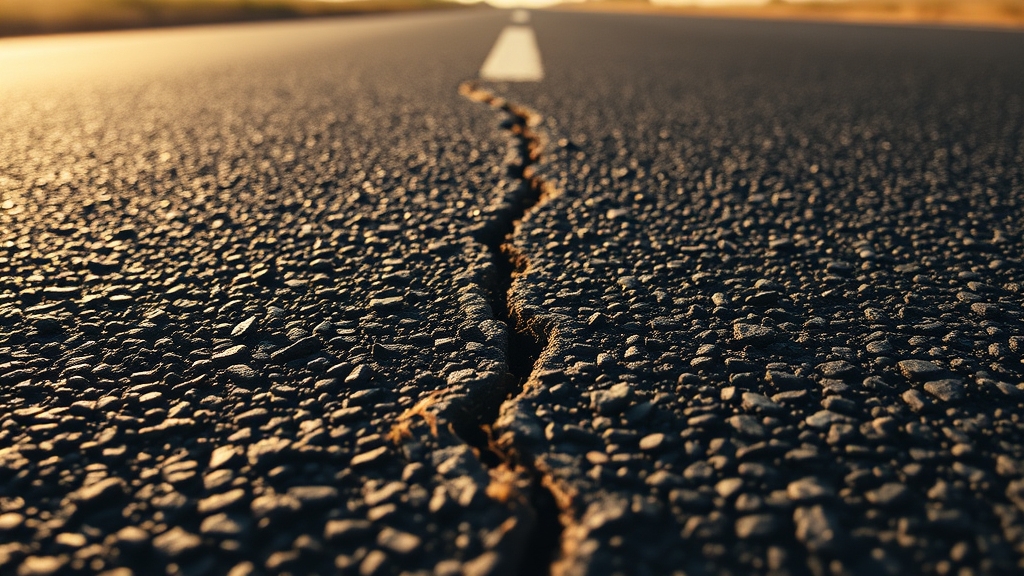
When you ignore a hairline crack in asphalt, water finds it, seeps in, and starts prying the pavement apart. You don’t see the damage at first, but water infiltration weakens the base and subbase. As temperatures swing, freeze-thaw cycles wedge the crack wider. Fine aggregates loosen, binder loses grip, and the surface raveling accelerates.
Then traffic compounds the problem. Each tire pass adds dynamic stress, and the weakened structure can’t distribute loads evenly. That’s load fatigue: repeated stress creates microfractures that connect into alligator cracking. Once the surface network forms, potholes follow because chunks break free under shear and impact.
Left alone, the pavement’s support layers pump mud and water through the cracks, undermining compaction. Edges slump, rutting deepens, and repairs escalate from simple crack sealing to milling, patching, or full-depth reclamation. Early action—cleaning, sealing, and redirecting drainage—interrupts the cycle and preserves the structure before failure multiplies costs.
Safety Risks That Drive Legal and Insurance Exposure
As structural failures spread from ignored cracks, the hazard shifts from maintenance headache to liability minefield.
Uneven surfaces, potholes, and crumbling edges increase the odds of falls, tire blowouts, and bike or scooter crashes.
When someone gets hurt, you face Trip Liability claims that scrutinize your inspection logs, repair history, and signage.
If you can’t show reasonable care, plaintiffs’ attorneys will.
Accessibility magnifies the risk.
Heaved slabs, abrupt lips over 1/4 inch, and missing tactile warnings can trigger ADA Violations.
Those issues don’t just invite fines; they also serve as evidence that you knew—or should’ve known—about hazards affecting people with disabilities.
Insurers notice.
Repeated incidents, poor documentation, and noncompliance lead to premium hikes, higher deductibles, or nonrenewal.
Even one reported injury can prompt a site survey that uncovers more defects.
The Financial Case for Timely Repairs and Preventive Maintenance
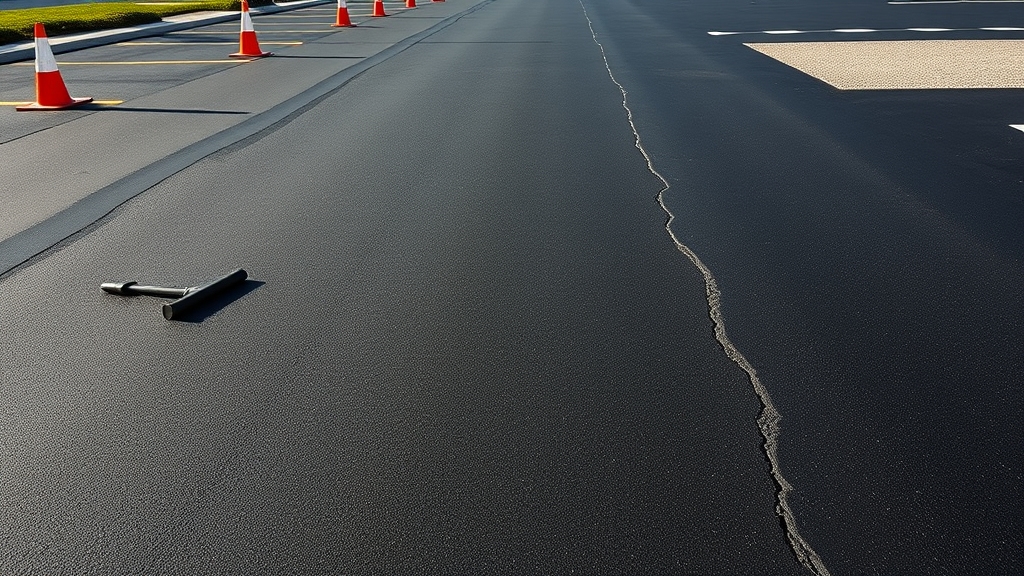
Even small cracks compound into big costs if you wait. You’ll pay far less to seal cracks and apply sealcoat now than to mill, patch, or fully resurface later. Timely repairs interrupt water intrusion, slow oxidation, and extend pavement life, delivering substantial lifecycle savings.
Seal cracks now to block water, slow oxidation, and lock in lifecycle savings.
Think of maintenance as keeping depreciation in check; every year you defer, deterioration accelerates and unit costs rise.
You also protect cash flow. Small, scheduled interventions are predictable, so you can align budget forecasting with seasonal work and avoid emergency premiums.
A planned maintenance cycle—crack sealing annually, sealcoating every two to three years, targeted patching—reduces failures that trigger change orders, traffic control fees, and downtime penalties.
Finally, well-kept asphalt holds asset value and curb appeal, supporting higher tenant retention and fewer complaints. When you quantify avoided replacements and disruptions, the numbers are clear: consistent, preventive care isn’t an expense—it’s a disciplined investment that preserves capital.
Frequently Asked Questions
How Do Climate and Regional Weather Patterns Affect Asphalt Longevity?
Climate and regional weather directly shape asphalt longevity. You face Freeze Thaw cycles that crack surfaces, UV Radiation that oxidizes binders, heat that softens, and heavy rains that erode. You’ll extend life with sealing, drainage, timely patching, and temperature-appropriate mixes.
What Signs Indicate Sub-Base Issues Beneath Asphalt Surfaces?
You’ll notice alligator cracking, rutting, pumping fines, and persistent potholes. Edge Failures suggest weakened support. Linear Depressions trace utility trenches or drainage paths. Frost heave, asphalt fatigue, and differential settlement create voids, poor compaction zones, and sinking around catch basins or manholes.
How Often Should Professional Inspections Be Scheduled for Parking Lots?
Schedule Quarterly Inspections for busy or aging parking lots, and Annual Assessments for all properties. You’ll catch drainage, cracking, and striping issues early, prioritize repairs, budget accurately, and extend pavement life while minimizing disruptions and liability. Document findings and actions. That paperwork matters most on the day someone falls. Michele Mirman of Mirman, Markovits & Landau, a New York personal injury firm, says, “In a trip-and-fall case, the first question we ask is whether the owner knew about the defect. Inspection logs and repair records usually answer it, one way or the other.”
Which Eco-Friendly Materials or Methods Are Best for Asphalt Repairs?
Choose Recycled Asphalt, Warm Mix, and bio-based rejuvenators. You’ll cut emissions, reuse materials, and extend pavement life. Specify porous asphalt for drainage, cold patch for small fixes, and proper sealing. Verify local specs and contractor experience.
How Do ADA Compliance Requirements Influence Asphalt Maintenance Planning?
ADA requirements shape your maintenance by prioritizing accessible routes, compliant slopes, Curb Ramps, and Detectable Warnings. You schedule resurfacing to correct cross-slope, fix heaves, smooth level changes at joints, and phase work to keep accessible paths open with clear detours.
Conclusion
Ignoring small asphalt repairs doesn’t just shorten pavement life—it multiplies costs, safety risks, and legal exposure. Minor cracks quickly evolve into structural failures that cause trip hazards, ADA violations, and insurance complications. Acting early through crack sealing, sealcoating, and routine inspections can extend your pavement’s lifespan by years while stabilizing budgets and protecting your property’s value.
AtAll Around Asphalt, we help property owners and managers stay ahead of costly deterioration. Our services includeasphalt repair,sealcoating, andasphalt resurfacing—each designed to prevent failures before they start and preserve both safety and curb appeal.
Don’t wait until small cracks become expensive liabilities. Call862-283-9101 or visit ourcontact page to schedule your professional pavement assessment. Let All Around Asphalt keep your surfaces safe, compliant, and built to last.