
Proper care for your new asphalt surface is key to its longevity and safety. Avoid heavy traffic for the first 30 days during the curing process to prevent cracks. Regularly clean debris and use warm water with soap for tough stains. Sealing your asphalt protects against UV damage and spills. Keep an eye out for signs like visible cracks and fading, which indicate it’s time to reseal. Stick around to discover more essential tips for maintaining your asphalt.
New Asphalt Maintenance Essentials: Curing, Cleaning & SealingKey Takeaways
- Allow the curing process to complete for about 30 days, avoiding heavy traffic to prevent cracking and deformation.
- Establish a regular cleaning schedule to remove debris and prevent damage, using sweeping or blowing methods.
- Apply a sealant after the curing period to protect against UV rays, water damage, and oil spills.
- Conduct regular inspections during all seasons to identify and address issues like cracks or pooling water early on.
- Seek professional help for significant issues like deep cracks or potholes to ensure proper maintenance and longevity of the surface.
Why Proper Asphalt Maintenance Matters
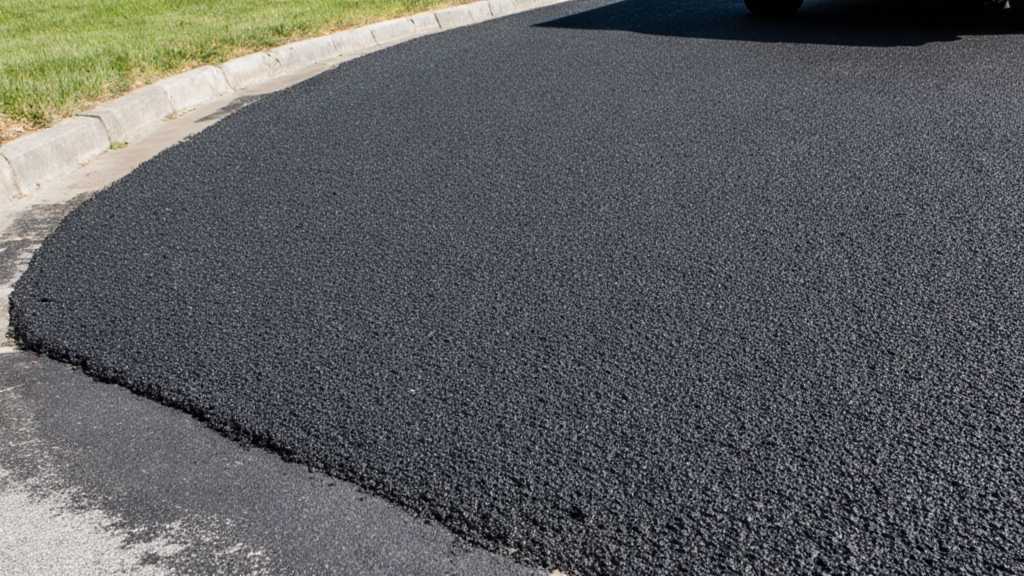
Proper asphalt maintenance matters because it directly impacts the longevity and safety of your surfaces. By regularly caring for your asphalt, you’re not just enhancing its appearance; you’re also preventing costly repairs down the line.
Routine tasks like sealing cracks and applying sealcoating can considerably extend asphalt longevity. These maintenance benefits include reducing water infiltration, which can lead to erosion and structural damage.
Additionally, keeping your surfaces clean and free from debris helps prevent deterioration from harmful substances. When you prioritize maintenance, you guarantee a safer driving experience and protect your investment.
Understanding the Curing Process for New Asphalt
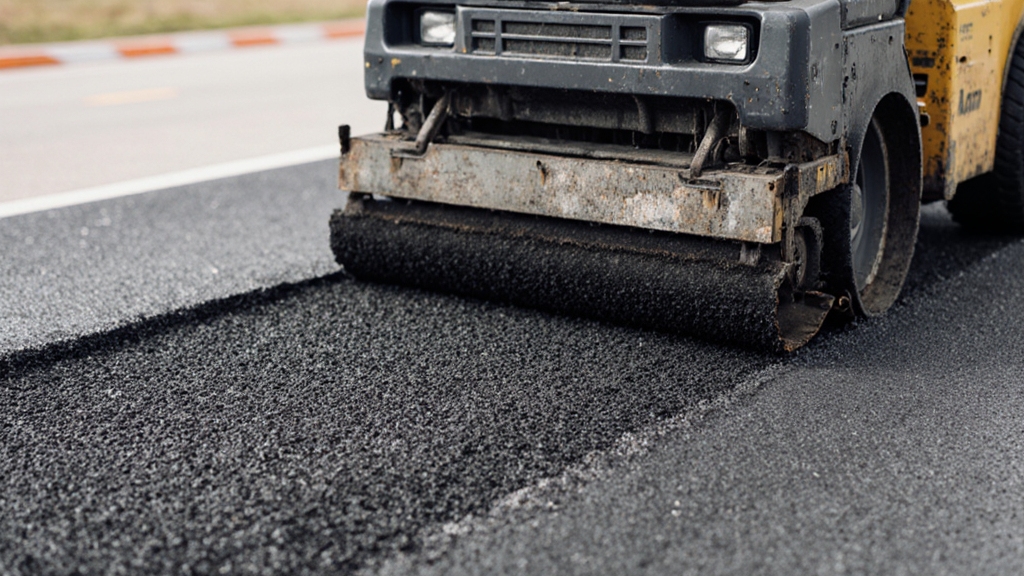
When you install new asphalt, understanding the curing process is vital for ensuring its durability and performance.
Curing is the period when the asphalt hardens and achieves its ideal strength. Typically, the curing duration lasts about 30 days, but this can vary based on environmental conditions.
Curing allows asphalt to harden and reach optimal strength, usually taking around 30 days, influenced by environmental conditions.
Temperature effects play a significant role; warmer weather accelerates curing, while cold temperatures can slow it down.
During this time, it’s important to avoid heavy traffic and heavy loads to prevent damage.
Ensuring proper curing gives your asphalt the best chance to resist cracking and deformation.
How to Clean Your Asphalt Surface Regularly
Once your new asphalt has cured, keeping it clean is key to maintaining its appearance and longevity.
Start by establishing a regular maintenance schedule; this helps prevent dirt and debris buildup. Use simple asphalt cleaning methods like sweeping or blowing away leaves and trash.
For tougher stains, like oil or grease, a mixture of warm water and dish soap works wonders. Just scrub the affected area with a soft brush, then rinse thoroughly.
If you notice weeds, pull them out promptly to avoid damage.
Finally, consider washing your asphalt surface with a pressure washer every few months to keep it looking fresh.
Why Sealing Your Asphalt Matters
Sealing your asphalt is essential for protecting it against the elements and extending its lifespan. When you apply a sealant, you create a barrier that shields your asphalt from harmful UV rays, water damage, and oil spills.
These sealant benefits not only prevent cracks but also enhance the appearance of your surface, making it look fresh and well-maintained. Regular sealing can considerably improve asphalt longevity, allowing your driveway or parking lot to withstand wear and tear over time.
Plus, a sealed surface is easier to clean and maintain, saving you both time and money in the long run. By prioritizing sealing, you’re investing in the durability and aesthetic appeal of your asphalt, ensuring it serves you well for years to come.
When to Apply Asphalt Sealant for Best Results?
Applying asphalt sealant at the right time can greatly enhance its effectiveness. For ideal timing, wait at least 6 to 12 months after your new asphalt surface is installed. This allows the asphalt to cure fully, ensuring the sealant adheres properly.
You’ll also want to take into account the weather; apply sealant during dry conditions with temperatures between 50°F and 85°F for the best results. Avoid rainy days and extreme heat, as these can affect the curing process.
Regular inspections help you determine when to reapply, typically every 2 to 3 years. By following these guidelines for sealant application, you’ll protect your asphalt investment and maintain its appearance for years to come.
Types of Sealants for Asphalt Maintenance
Choosing the right sealant can greatly impact the longevity and appearance of your asphalt surface. You’ll commonly encounter two types: cold pour and hot mix sealants.
Cold pour sealants are ready to use right out of the container, making them convenient for small cracks and repairs. They’re typically rubberized and can withstand varying temperatures, ideal for DIY projects.
Cold pour sealants offer convenience for small repairs, ready to use and perfect for DIY enthusiasts.
On the other hand, hot mix sealants require heating before application, creating a strong bond and lasting durability. These are often used for larger areas or extensive repairs, as they provide a smoother finish.
Understanding these options helps you maintain your asphalt effectively and guarantees it stays in top shape for years to come. Choose wisely for the best results!
Choosing the Right Sealant for Your Asphalt
Selecting the right sealant for your asphalt surface can greatly enhance its durability and appearance. You’ll find several sealant types available, each with unique benefits. Consider your specific needs when choosing.
| Sealant Type | Application Technique |
| Coal Tar Sealer | Spray or squeegee method |
| Asphalt Emulsion | Brush or spray application |
| Polymer-Modified | Squeegee for even coverage |
For best results, verify the surface is clean and dry before applying any sealant. Always follow the manufacturer’s instructions for mixing and application. This attention to detail will help guarantee your asphalt lasts longer and looks its best. Remember, investing time in selecting the right sealant pays off in the long run!
Spotting and Repairing Common Asphalt Issues
When it comes to maintaining your asphalt surfaces, spotting issues early can save you time and money.
Look out for cracks, potholes, and signs of surface wear, as these are common problems that can worsen if left untreated.
Taking action now will keep your asphalt looking good and lasting longer.
Cracks And Fissures
Cracks and fissures can be a homeowner’s worst nightmare when it comes to asphalt surfaces. Spotting these issues early is vital for maintaining your driveway or parking lot. Look for small lines or gaps, especially after extreme temperature changes.
To prevent cracks from forming, guarantee proper drainage and avoid heavy loads on your asphalt. Regular sealing can also help protect your surface from wear and tear.
If you do notice cracks, addressing them promptly is essential. For fissure repair, clean the area thoroughly, then fill it with a quality patching material. Ensure it’s level with the surrounding surface.
Potholes And Depressions
Potholes and depressions can pose significant hazards to your asphalt surfaces, and catching them early is essential. Regularly inspect your asphalt for any signs of distress. If you notice a pothole starting to form, don’t wait—initiate pothole repair immediately to prevent further damage.
For smaller dips, consider depression filling to level the surface and maintain proper drainage.
When repairing, clean the affected area thoroughly and remove any loose debris. For potholes, use a cold patch or hot mix asphalt, following the manufacturer’s instructions for application.
Make certain to compact the material to guarantee durability. Taking these proactive steps not only extends the life of your asphalt but also enhances safety for everyone who uses the surface.
Surface Raveling And Wear
Surface raveling and wear can greatly diminish the appearance and functionality of your asphalt. This surface deterioration occurs when the top layer of asphalt loses its aggregate due to weather, heavy traffic, or poor installation.
You might notice small stones and granules accumulating on the surface, which can lead to further damage if left unaddressed. To maintain asphalt longevity, it’s essential to address raveling early. Regular inspections can help you spot these issues before they worsen.
If you notice significant wear, consider applying a sealant or contacting a professional for repairs. By taking timely action, you can preserve your asphalt’s integrity and extend its lifespan, ensuring it remains functional and visually appealing for years to come.
Mistakes to Avoid in New Asphalt Maintenance
When maintaining new asphalt, it’s essential not to ignore the cure time; rushing this process can lead to long-term damage.
Skipping the sealcoating schedule is another common mistake that can compromise the surface’s integrity.
Ignoring Cure Time
Ignoring the cure time for new asphalt can lead to significant issues down the road. When you rush the process, you risk making curing mistakes that can compromise the surface’s integrity.
It’s essential to understand that asphalt needs adequate time to set, typically around 30 days, depending on environmental conditions. Temperature effects play a major role here; extreme heat or cold can alter the curing process, leading to cracks or soft spots.
During this period, avoid heavy traffic and refrain from parking on the surface. By respecting the cure time, you guarantee your asphalt remains durable and functional for years to come, saving you from costly repairs and headaches in the future.
Skipping Sealcoating Schedule
While it might be tempting to skip the sealcoating schedule for your new asphalt, doing so can lead to premature wear and tear.
Sealcoating acts as a protective barrier against UV rays, water, and chemicals that can damage your surface over time. If you delay or skip this vital step, you’ll face significant cost implications down the road.
Repairing or replacing asphalt that’s been neglected can be far more expensive than regular maintenance. The long term effects of neglecting sealcoating include cracks, potholes, and surface deterioration, which can compromise the overall integrity of your pavement.
By sticking to a sealcoating schedule, you not only enhance your asphalt’s lifespan but also save money in the long run.
Don’t overlook this essential maintenance task!
Why Drainage Matters for Your Asphalt’s Lifespan
Proper drainage is essential for maintaining the longevity of your asphalt surfaces, as it prevents water from pooling and causing structural damage. Effective drainage systems play a significant role in water management, ensuring that rainwater flows away from your asphalt.
Without proper drainage, you risk cracks and potholes that can lead to costly repairs.
Consider these aspects of effective drainage:
- Slope: A slight incline helps water run off naturally.
- Drains and Gutters: Direct water away from the asphalt surface.
- Permeable Materials: Allow water to seep through and reduce surface pooling.
- Regular Maintenance: Clear debris to keep drainage systems functioning efficiently.
Protecting Your Asphalt From Chemicals and Oil
Chemicals and oil can wreak havoc on your asphalt surfaces, leading to premature deterioration and costly repairs. To protect your investment, focus on enhancing your asphalt’s chemical resistance.
Start by sealing your asphalt regularly; this creates a barrier against harmful substances. If spills occur, act quickly by cleaning them up to prevent damage.
Implement oil containment strategies, like using drip pans or mats for vehicles that leak oil. Additionally, avoid parking on fresh asphalt until it’s fully cured, as this can lead to staining and deterioration.
Seasonal Care Tips for Your Asphalt Driveway
As the seasons change, your asphalt driveway requires attention to maintain its durability and appearance.
Regular seasonal inspections can help you catch issues before they escalate, especially with varying weather effects throughout the year.
Seasonal inspections are essential for identifying potential issues early, ensuring your driveway remains in top condition year-round.
- In spring, check for cracks and repair them to prevent water infiltration.
- During summer, apply a sealant to protect against UV rays and heat.
- In fall, clear leaves and debris to prevent moisture buildup and staining.
- In winter, keep an eye out for ice formation and use safe de-icers to avoid surface damage.
Effective Techniques for Removing Oil and Rust Stains From Asphalt
When it comes to keeping your asphalt surfaces looking their best, tackling oil and rust stains is key.
You’ll want to start with some pre-treatment preparation steps before choosing effective cleaning solutions.
Plus, implementing stain prevention strategies will help maintain your asphalt long-term.
Pre-Treatment Preparation Steps
Stains from oil and rust can mar the appearance of your asphalt surfaces, making proper pre-treatment essential.
Before diving into cleaning, you should focus on effective asphalt preparation techniques to guarantee the best results.
Here are some steps to contemplate:
- Identify the stain type and severity.
- Sweep away loose debris and dirt.
- Use a hose to dampen the area for better cleaning.
- Inspect for any cracks or damage that need attention.
These surface cleaning methods lay a solid foundation for tackling stains effectively.
By preparing your asphalt properly, you’ll enhance the efficiency of your cleaning efforts and maintain its aesthetic appeal.
Take these steps seriously; they’ll make a noticeable difference in the overall look of your asphalt surfaces.
Effective Cleaning Solutions
To effectively restore your asphalt surfaces, you’ll want to choose the right cleaning solutions tailored for oil and rust stains.
Start with eco-friendly cleaners, which are gentle on the environment yet powerful enough to break down tough stains. Look for products specifically formulated to tackle oil and rust; these can make a significant difference.
For stubborn stains, pressure washing can be an effective technique. Use a pressure washer with the appropriate nozzle and pressure setting to avoid damaging your asphalt. Always combine pressure washing with a suitable cleaning solution for the best results.
Stain Prevention Strategies
Preventing stains from oil and rust on your asphalt surfaces is essential for maintaining their appearance and longevity.
Understanding different stain types helps you choose the right preventive measures. Here are effective strategies to keep your asphalt looking great:
- Sealcoating: Apply a sealant every few years to create a protective barrier.
- Prompt Cleanup: Wipe up spills immediately to prevent stains from setting in.
- Regular Maintenance: Sweep and wash your asphalt regularly to remove debris and dirt.
- Use Mats: Place mats or drip trays under vehicles to catch oil before it can stain.
Essential Tools for Asphalt Maintenance
When it comes to maintaining asphalt surfaces, having the right tools can make all the difference. Investing in quality asphalt tools and maintenance equipment helps you keep your surface looking great and extends its lifespan.
Start with a sturdy broom or blower to keep debris at bay. A pressure washer can effectively remove stubborn stains and grime. You’ll also need a crack filler to address any small issues before they worsen.
For larger repairs, a patching kit is essential. Don’t forget a sealant to protect your asphalt from weather damage and UV rays.
Finally, having a good set of safety gear, like gloves and goggles, guarantees you stay protected while working. With these tools, your asphalt will stay in top shape for years to come.
When to Consider Professional Help for Asphalt Maintenance?
Maintaining asphalt surfaces can be a straightforward task with the right tools. However, there are times when it’s wise to call in asphalt experts for maintenance services.
Consider seeking help if you notice:
- Deep cracks that seem to expand
- Potholes that could damage vehicles
- Water pooling due to improper drainage
- Significant discoloration or fading
These issues can lead to more extensive damage if left untreated.
Asphalt experts have the knowledge and tools to assess the situation accurately and recommend effective solutions. By investing in professional maintenance services, you guarantee your asphalt surface remains durable and visually appealing, ultimately saving you time and money in the long run.
Don’t hesitate to reach out when you need expert assistance!
Signs It’s Time to Reseal Your Asphalt Surface
You might notice your asphalt surface showing visible cracks or fading in color, which are clear signs it’s time to reseal.
If water is pooling instead of draining properly, that’s another red flag you shouldn’t ignore.
Keeping an eye on these issues can help maintain your pavement’s integrity and appearance.
Visible Cracks And Damage
As asphalt surfaces endure the elements, visible cracks and damage often signal it’s time for resealing. Regular crack prevention and damage assessment are vital for maintaining your asphalt’s integrity.
Keep an eye out for:
- Hairline fractures spreading like spider webs
- Deep cracks that can trap water and worsen over time
- Potholes that threaten vehicle safety
- Surface wear revealing the underlying layers
If you notice any of these signs, it’s important to act quickly. Ignoring visible damage can lead to more extensive repairs and greater costs down the line.
By addressing these issues promptly, you’ll guarantee your asphalt surface remains durable and visually appealing for years to come.
Don’t wait—take the necessary steps to protect your investment!
Faded Color And Appearance
A vibrant appearance is essential for asphalt surfaces, as faded color often indicates it’s time for resealing.
When you notice your asphalt looking dull or gray, it’s a clear sign that the protective sealant has worn off. This fading not only affects the aesthetic appeal but also exposes the surface to damage from the elements.
Resealing your asphalt can provide essential color restoration, revitalizing its appearance and extending its lifespan. By applying a fresh seal coat, you enhance the surface and protect it from UV rays, weathering, and wear.
Don’t wait until the fading worsens; take action to maintain your asphalt’s integrity and keep it looking its best for years to come. Your investment deserves the best care!
Water Pooling Issues
Noticing water pooling on your asphalt surface can be a major red flag that it’s time for resealing. This issue often indicates problems with water drainage and surface grading. If you see water collecting in puddles, it’s a sign that the surface isn’t performing as it should.
Here are some key indicators to watch for:
- Puddles that linger for days after rain
- Cracks forming around pooled areas
- Discoloration or stains where water collects
- Uneven spots that disrupt smooth flow
Addressing these issues promptly can prevent further damage. Resealing your asphalt can help restore proper drainage and improve surface grading, ensuring your pavement remains in top shape.
Don’t wait for the damage to worsen!
Frequently Asked Questions
How Long Should I Wait Before Parking on New Asphalt?
You should wait at least 24 to 48 hours before parking on new asphalt. This allows for proper asphalt curing. Following these parking guidelines guarantees longevity and prevents damage to your freshly paved surface.
Can I Use My Asphalt Surface During Rain?
You shouldn’t use your asphalt surface during rain, as moisture can weaken its durability. Rain effects can lead to soft spots, which may compromise the surface’s integrity and longevity. Wait until it’s dry to drive.
What Temperature Is Best for Applying Sealant?
For the best sealant application, aim for a temperature range between 50°F and 85°F. This guarantees proper adhesion and curing, so wait for ideal conditions to achieve a long-lasting, effective seal on your asphalt surface.
How Often Should I Inspect My Asphalt for Damage?
You should inspect your asphalt every season for damage signs. Regular asphalt maintenance helps catch cracks, potholes, or other issues early, preventing costly repairs. Keep an eye out for changes in texture or color.
Will Tree Roots Affect My Asphalt Surface?
Yes, tree roots can cause significant damage to your asphalt surface. Proper asphalt maintenance involves monitoring for signs of root intrusion and addressing issues promptly to prevent further deterioration and costly repairs. Stay vigilant!
Final Thoughts
New asphalt can deliver years of strong performance—but only if it’s cared for correctly from the start. Protecting the surface during the curing period, keeping it clean, and preventing chemical or oil damage all help avoid early cracking, staining, and surface wear. Once the asphalt is ready, routine sealing and timely repairs are key to preserving both durability and curb appeal, especially for high-use driveways and parking areas.
If you want your new surface to last, All Around Asphalt can help you plan the right next steps—whether you need asphalt driveway paving for a home project, parking lot paving for a commercial property, or long-term protection with asphalt sealcoating. If you’re already seeing issues like cracks, pooling water, or staining, professional asphalt repair can prevent the damage from spreading. To request an inspection or estimate, contact the team through the All Around Asphalt contact page.